

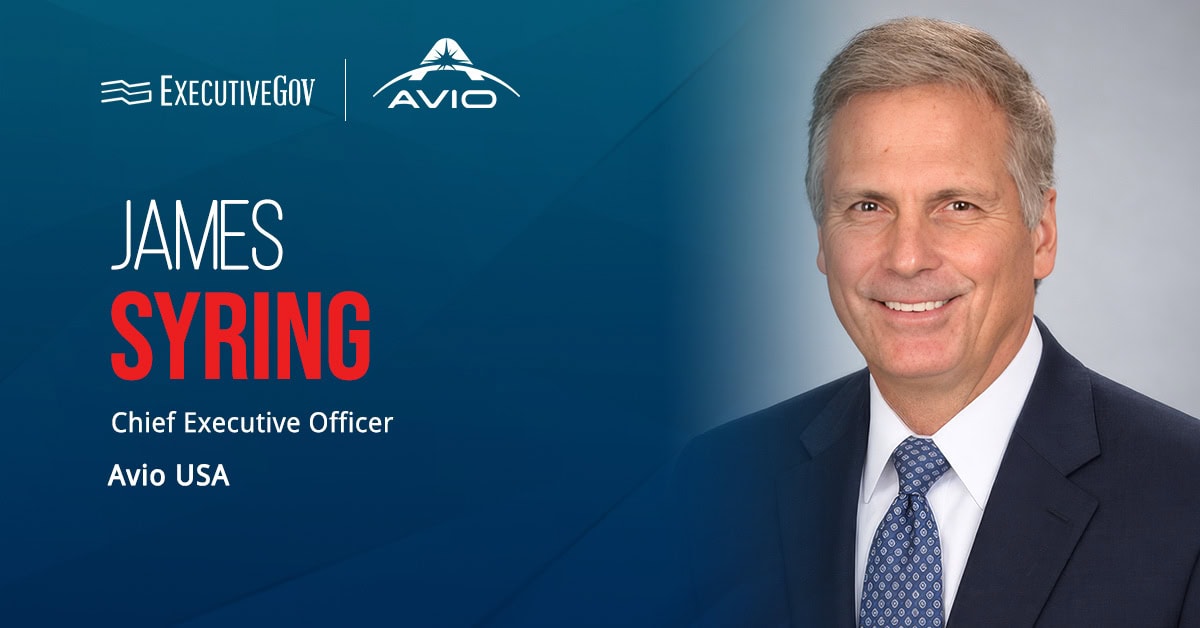
- Avio USA broke ground on its first manufacturing facility in the U.S.
- This 900,000 sq. ft. facility in Virginia will develop solid rocket motors
- Learn more about innovative missiles and munitions at the 2027 Defense R&D Summit!
Avio USA on Tuesday broke ground on its debut U.S. manufacturing facility, a solid rocket motor plant in southwest Virginia that should add domestic capacity for Pentagon munition and missile production.
The facility, at the Southern Virginia Multimodal Park in Hurt, is expected to be about 900,000 sq. ft., according to a company statement. Construction is anticipated to be finished by the end of 2028 with weapon production expected to begin in early 2029.
How Is Avio USA Leveraging Its Parent Company’s Rocket Heritage?
Avio USA seeks to leverage its experience as a subsidiary of Avio S.p.A, a space and rocket propulsion developer based in Rome that operates under a Defense Counterintelligence and Security Agency special security agreement.
“Our goal is to be an independent, open-source merchant supplier, able to support multiple customers and programs and provide major defense primes with an additional source for this critical capability,” said James Syring, Avio USA CEO.
The facility is being built to contribute to solid rocket motor requirements, including efforts by Lockheed Martin and Raytheon.
“This new facility is a significant step toward a more robust and diverse supply chain for solid rocket motors that are critical to our nation’s defense,” said Tim Cahill, Lockheed Martin Missiles and Fire Control president. “Lockheed Martin is working hand-in-hand with Avio USA to expand this vital resource that will benefit the entire defense industrial base.”
Learn about the latest innovative Pentagon missile and munition efforts at the Potomac Officers Club’s 2027 Defense R&D Summit on Feb. 4. Hear directly from top Department of War brass about speeding up missile development, one of the department’s top priorities, during captivating keynotes. Dive into AI in munition production during informative panel discussions. Secure your seat today!
What Did Hung Cao Say About Avio USA’s New Solid Rocket Motor Facility?
Hung Cao, acting Navy secretary and 2026 Wash100 Award popular vote winner, said the U.S. needs fresh suppliers to grow capacity, enhance competition and speed up production for solid rocket motors and munitions.
“Virginia already carries a critical share of the nation’s energetics workload,” he said. “This new facility in Hurt will build on that strength, reinforce our defense industrial base and help ensure our warfighters are equipped to fight, win and come home safe.”
Is Growing the Solid Rocket Motor Manufacturing Base a Key Initiative of President Trump?
Growing the U.S. solid rocket motor manufacturing base has been a key initiative of President Trump in 2026 to replenish munitions stockpiles. He announced on Sept. 22 that the U.S. had 18 munitions plans being built with some of them being close to completion.
Trump, earlier in 2026, invoked the Defense Production Act, creating an apparatus that permits munitions developers to work with the Pentagon on production, supply chain and industrial base challenges through voluntary agreements.
How is Lockheed Martin Investing in Solid Rocket Motors?
Additionally, Lockheed Martin is spending $9 billion to meet this demand, including more than $60 million for a new leased 150,000 sq. ft. building in Pennsylvania. This will contribute space for production and the manufacturing of cable-and-harness to enable Precision Strike Missile, Terminal High Altitude Area Defense and PAC-3 munitions.
Avio and Lockheed Martin in November signed a non-binding term sheet to work on the new U.S. facility. Avio also entered into a memo of understanding with Raytheon, building on a 2024 contract for initial engineering work on the Mk 104 rocket motor. It also covered a purchase order financing critical design review and long-lead material acquisition.
The DOW is growing its munitions supply base over concerns about extensive usage during the war in Iran, the Wall Street Journal reported in June.