- CMS is soliciting industry recommendations on restructuring fraud defense contracts
- The RFI aims to strengthen fraud detection and prevention across federal healthcare programs
- The 2026 Healthcare Summit will explore health IT, AI adoption and more
The Centers for Medicare and Medicaid Services is seeking industry recommendations to restructure its fraud defense contracts, aiming to improve fraud detection and prevention across federal healthcare programs.

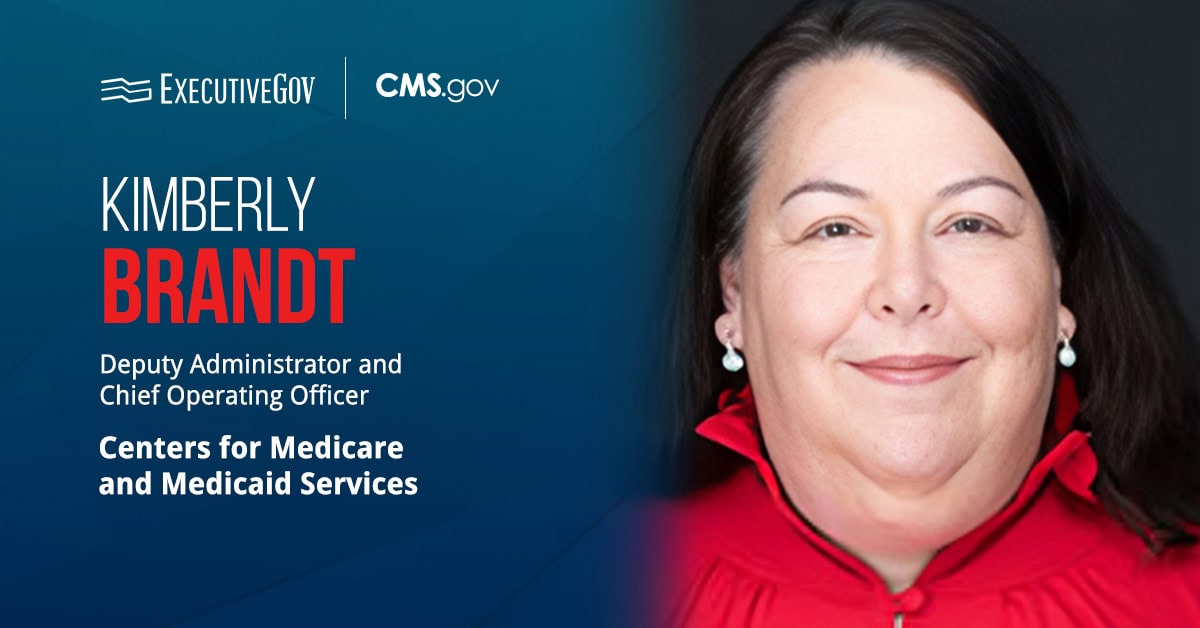
Deputy Administrator and Chief Operating Officer at the Centers for Medicare & Medicaid Services, Kimberly Brandt, will deliver a keynote address at the Potomac Officers Club’s 2026 Healthcare Summit. The Dec. 3 event will bring together federal health leaders and industry executives to explore key healthcare priorities, innovation, modernization and the future of federal healthcare delivery. Secure your spot now!
Kimberly Brandt announced the request for information in a LinkedIn post, saying the agency wants to explore new ways to structure its contracts as technology and investigative techniques evolve.
What Changes Is CMS Considering for Fraud Defense Contracts?
In an RFI published Oct. 5 on SAM.gov, CMS invited vendors and other interested parties to propose innovative approaches for supporting program integrity investigations. The agency is seeking feedback on how contractors could help identify potential fraud, support investigations and facilitate appropriate administrative and enforcement actions.
CMS is considering an outcome-focused contracting model that would give the agency greater control over investigative priorities while assigning contractors responsibility for managing and executing investigations, and providing the expertise and resources needed to develop cases and support appropriate enforcement outcomes.
The deadline for submitting RFI responses is Nov. 27.
What Investigative and Enforcement Activities Would Contractors Support?
The draft statement of objectives outlines a broad range of potential responsibilities, including claims and data analysis, targeted prepayment and post-payment medical reviews, on-site investigative activities, provider and beneficiary interviews, document collection, and evidence development.
Contractors would also identify and recommend potential administrative remedies, including payment suspensions and revocations, subject to CMS direction and applicable approval requirements.
The document also requires contractors to maintain investigative records in CMS-designated systems, report findings throughout the investigation, and provide sufficient staffing and surge capacity to address changing priorities and urgent investigative needs.
Which Federal Agencies and Partners Could Be Involved?
The proposed model calls for coordination with CMS, Medicare Administrative Contractors, the Department of Health and Human Services Office of Inspector General, the Department of Justice, the FBI, and other federal, state and local partners.
Contractors would be expected to coordinate with other CMS program integrity stakeholders to reduce duplicative work, identify overlapping investigations and avoid conflicts between investigative or administrative actions.
The draft also allows contractors, as capacity permits, to identify potential investigative leads and submit them to CMS for review and prioritization before opening an investigation.
How Is CMS Using AI and Innovation to Strengthen Fraud Prevention?
In separate initiatives, CMS has explored artificial intelligence and machine learning to strengthen fraud detection and improve contract oversight. In February, Brandt discussed the agency’s use of AI to combat fraud and address contract duplication. She said the agency has reported $2 billion in savings since March 2025 through AI fraud detection and contract oversight.
Earlier, in August 2025, CMS launched the Crushing Fraud Chili Cook-Off Competition, inviting innovative AI-driven approaches to identifying suspicious patterns in Medicare claims.