- Neros’ Torrance facility will manufacture drone systems and critical subcomponents
- OSC financing would support production of motors, radios, batteries and flight electronics
- Neros must meet financial, legal, technical and investment requirements before closing
Neros, a U.S.-based developer and manufacturer of dual-use small unmanned aircraft systems, could receive up to $450 million in financing from the Department of War to expand domestic production of small unmanned aircraft systems and components. The department’s Office of Strategic Capital, or OSC, said Monday it issued a conditional loan commitment to support the company’s planned manufacturing expansion.
The proposed financing, combined with additional private capital, would support Neros’ plans to manufacture drone systems, ground control systems and critical components. The investment also seeks to reduce reliance on foreign-made components and advances President Donald Trump’s Executive Order 14307, Unleashing American Drone Dominance.
In a separate statement Monday, Neros said it is committing $165 million in equity alongside the OSC commitment, bringing the project’s total size to $615 million. Co-founder and CEO Soren Monroe-Anderson said the capital puts the company on track to produce one million drones annually by 2028.
What Conditions Must Neros Meet Before Receiving the Financing?
The $450 million commitment is not yet a finalized loan. Neros must satisfy financial, legal, technical and investment requirements, along with due diligence and other conditions, before reaching financial close.
OSC Senior Managing Director for Investments James Shanahan said domestic drone production requires the ability to manufacture complete systems at scale and competitive prices for military and nonmilitary applications. He also pointed to the need for a stronger domestic supply of components used in unmanned aircraft.
Shanahan said Neros’ vertically integrated manufacturing plans could add domestic component production capacity for the company and the broader unmanned-systems industry.
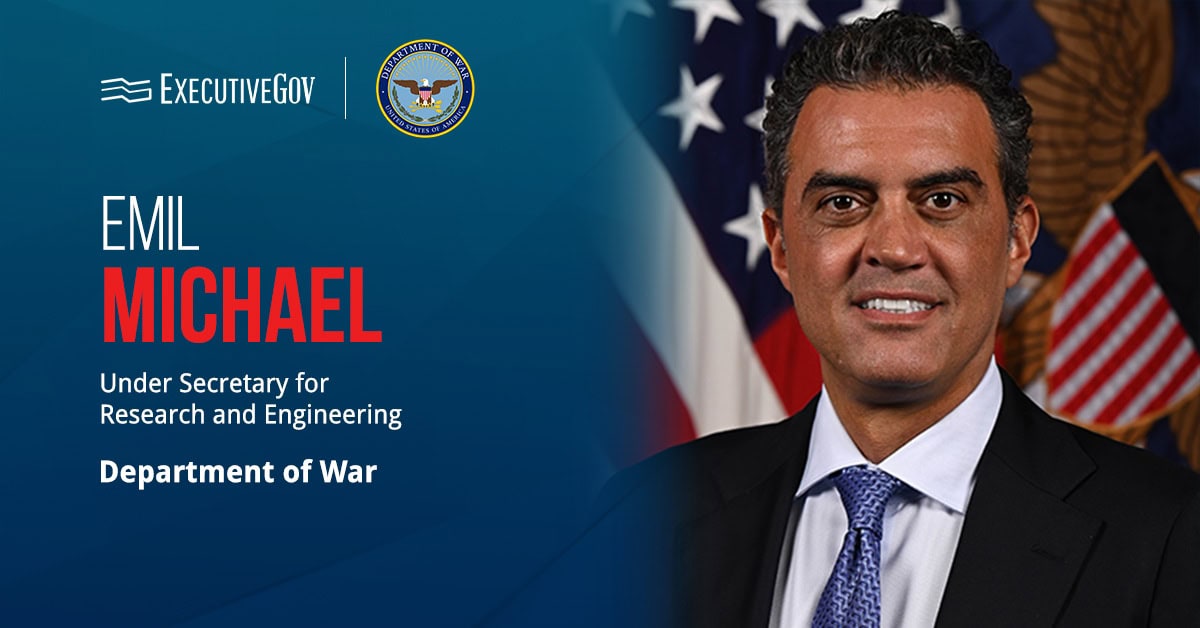
Under Secretary of War for Research and Engineering Emil Michael, a 2026 Wash100 Award winner, said the commitment would help strengthen the domestic drone supply chain. He also cited the need for a secure and resilient U.S. industrial base to meet Secretary of War Pete Hegseth‘s mandate for American drone dominance.
In July, OSC extended a conditional loan commitment of up to $820 million to Performance Drone Works to build high-volume U.S. production of critical drone components.
What Will Neros Produce at Its California Facility?
Neros’ manufacturing facility in Torrance, California, will support production of complete drone systems and components such as propulsion motors, flight stacks, radios and thermal sensors. The company’s broader manufacturing plans also cover flight electronics, sensors and batteries.
The facility’s planned capacity would serve Neros’ own production and supply components to other U.S. and allied drone manufacturers. OSC said the components supplied to those companies would comply with the National Defense Authorization Act.
Neros designs and produces low-cost, high-performance drones. David Lorch, OSC director and senior adviser to deputy secretary of war Steve Feinberg, said the company has demonstrated its ability to design, manufacture and deliver small unmanned aircraft systems.
Lorch said OSC’s financing would support the company’s ability to manufacture drones and components critical to their production.
What Defense Work Has Neros Secured?
The Army awarded Neros a $500 million indefinite-delivery/indefinite-quantity contract in July for Archer first-person-view attritable drones. The company builds its drones without China-made components.
In September, Neros received an order valued at more than $100 million for 14,000 drones and explosive payloads through Gauntlet II of the Drone Dominance Program. The two-year, $1.1 billion program aims to accelerate procurement of low-cost, U.S.-produced drones.
Neros raised $250 million in a Series C round in August at a $2.5 billion post-money valuation. Sequoia Capital and American Strategic Technology Fund co-led the round, which followed the company’s $75 million Series B in November 2025.