
- NASA and Boeing plans an uncrewed Starliner-1 flight as early as December
- The agency will use contract options to add Starliner’s fifth and sixth missions
- NASA, Boeing and ULA will certify Vulcan for crew launches
NASA plans to add two Boeing commercial Starliner missions and certify United Launch Alliance’s Vulcan rocket for astronaut launches under a revised development plan that the agency and Boeing unveiled Monday. According to NASA, the plan begins with an uncrewed International Space Station flight as early as December or January 2027.
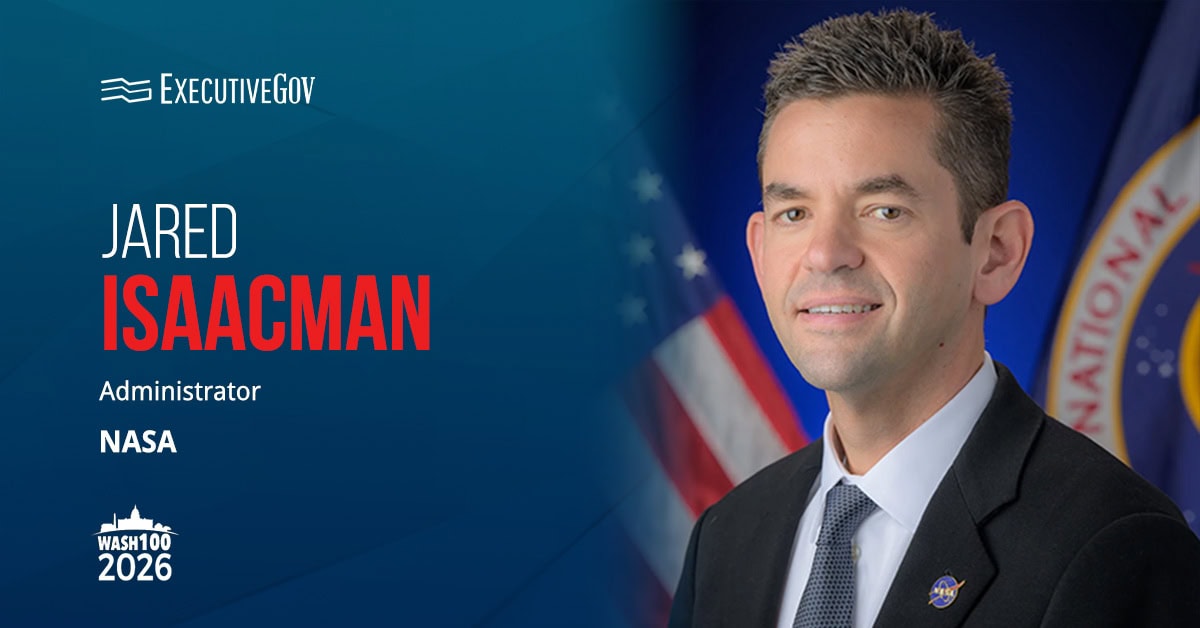
“We have worked closely with Boeing to address the issues identified on previous Starliner flights, and we intend to see this vehicle return to flight in support of the International Space Station and future commercial destinations,” said NASA Administrator Jared Isaacman, a 2026 Wash100 awardee.
NASA plans to exercise contract options covering Starliner’s fifth and sixth flights. It will also partner with Boeing and ULA to qualify Vulcan as the Atlas V’s successor once that rocket retires. The options come from a November 2025 contract restructuring that cut firm Starliner orders from six flights to four. The U.S. Space Force certified Vulcan for national security missions in March 2025.
What Is the Goal for Starliner’s Return to Flight?
The planned Starliner-1 launch in December or January 2027 is geared as an engineering evaluation flight. The flight will confirm improved thermal conditions, gather qualification data and flag residual risks before the astronauts board the spacecraft.
Isaacman said NASA aims to fly crew on Starliner-2 by 2028 after it completes corrective actions, testing and certification. The agency described the commercial crew effort as essential to maintaining U.S. access to space, winding down station operations and shifting to commercial outposts.
What Caused Starliner’s Crew Flight Test Problems?
In February, NASA’s Program Investigation Team released 61 recommendations after the 2024 Crew Flight Test ended with Starliner returning to Earth without its crew. Investigators linked a loss of control to reaction control thrusters on the service module that operated beyond their qualification limits. Ground testing and analysis tied the performance issues to heat conditions and inherent design features.
What Upgrades Is Boeing Making to Starliner?
Boeing has altered the service module’s thermal design, and NASA will judge the results during Starliner-1. After that flight, the partners will finish a thruster valve redesign to address poppet seal extrusion, which degrades thruster performance. Boeing also will install new crew module thrusters and batteries and adjust the parachute system for greater reliability.
“Starliner’s next flight is a critical step on the path to achieving full system certification and ensuring a sustained human presence in low Earth orbit,” said Dana Weigel, manager of NASA’s Low Earth Orbit Program.
ULA is joint venture of Boeing and Lockheed Martin.