
- Galliano Marine Services, HII and Saronic Technologies will each deliver 10 MUSVs to the Navy
- The first vessels are scheduled to be delivered by the end of fiscal 2027
- Leidos, PAC MAR and Sea Machines completed the projects under their prototype OTAs
The U.S. Navy intends to purchase 30 Medium Unmanned Surface Vessels from Galliano Marine Services, HII and Saronic Technologies after the program completed Phase I at-sea testing, the service said Tuesday.
Each company received a production other transaction authority agreement covering 10 MUSVs at an average cost of $40 million per vessel. The first vessels are scheduled for delivery before the end of fiscal 2027.
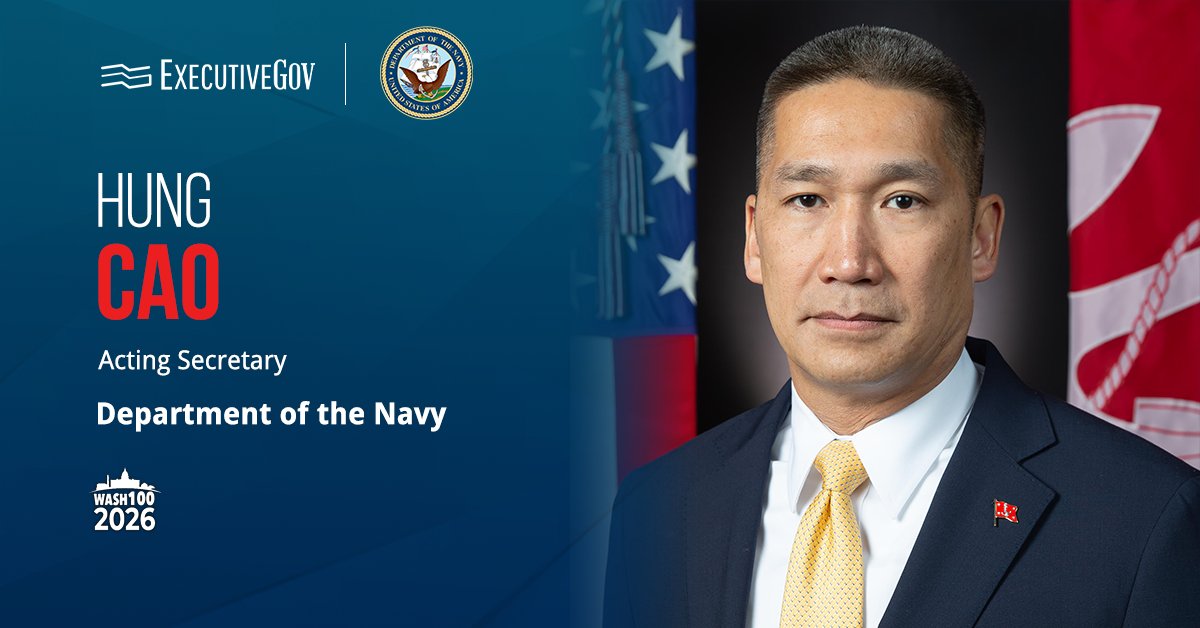
“This MUSV award is a prime example of how we are streamlining acquisitions to ensure our Sailors and Marines have the capabilities they need to fight, win, and come home safe,” said Acting Navy Secretary and 2026 Wash100 Award winner Hung Cao. “Our message to the defense industrial base is simple: build fast, deliver on time, and match the urgency of the threat.”
What Did MUSV Phase I Testing Evaluate?
Phase I testing assessed, among other capabilities, each vessel’s ability to perceive its surrounding maritime environment, navigate autonomously under the International Regulations for Preventing Collisions at Sea and complete a long-duration mission.
Which Other Companies Received MUSV Awards?
Leidos, PAC MAR and Sea Machines completed the projects under their prototype other transaction agreements and will receive a $15 million award under previously established terms. They will join the production awardees on the Maritime Marketplace hosted by Drones.mil, making them eligible for follow-on production agreements from authorized acquisition authorities throughout the Department of War.
HII will build 10 ROMULUS unmanned surface vessels under its MUSV award, using its Odyssey Autonomous Control Solutions autonomy suite for autonomous maritime operations. HII said it began preparing for ROMULUS production in 2025 by securing production capacity, suppliers and infrastructure.
What Is Next for the MUSV Program?
The Navy issued an MUSV Phase II Integration and Testing Call for Solutions on Sept. 23 to expand its acquisition pipeline through the Maritime Marketplace and meet future MUSV mission sets.
The Direct Reporting Program Manager for Robotic and Autonomous Systems will play a central role in speeding MUSV fielding and integration. The office will work with the Robotic and Autonomous Systems Warfighting Development Center, which will develop tactics, training and operational experience for employing the vessels.
Adm. Daryl Caudle, chief of naval operations, said MUSVs form part of the hedge strategy in the U.S. Navy Fighting Instructions and allow rapid integration of new sensors, weapons and other mission payloads.