


The Department of Energy’s Pacific Northwest National Laboratory has transitioned an artificial intelligence-based cybersecurity research effort into operational use to strengthen cyber defense.

Register today for the Potomac Officers Club’s 2026 Cyber Summit on May 21 to join top government and industry leaders addressing escalating cyber threats, zero trust progress ahead of the 2027 deadline and the future of cybersecurity.
Table of Contents
How Does the MERU Technology Work?
PNNL said Thursday the new technology, dubbed Multimodal Entity Relationship Unification, or MERU, uses AI and graph theory to connect databases and train the system to extract key information while adapting to new data and environments. Developed by a team of PNNL researchers led by Chief Computer Scientist Mahantesh Halappanavar, MERU creates a “free-flowing stream of data” that connects global threat intelligence with a company’s specific computing setup.
It integrates up-to-date news about cyber attacks with databases such as the National Vulnerability Database, Common Weakness Enumeration, Common Attack Pattern Enumeration and Classification, and MITRE ATT&CK to provide a unified view of risks. This enables security teams to understand how attacks happen and help them identify and stop threats before they cause serious damage.
What Impact Has MERU Shown?
Early implementation by PNNL’s IT operations team has enabled rapid identification of high-priority threats and the creation of roadmaps to halt likely attacks. Joseph Aguayo, PNNL deputy chief information security officer, stated that the program breaks down massive amounts of threat intelligence into actionable insights. The capability is particularly vital for defending against zero-day attacks, where security teams must adapt defenses in real-time before official software patches become available.
Related Articles
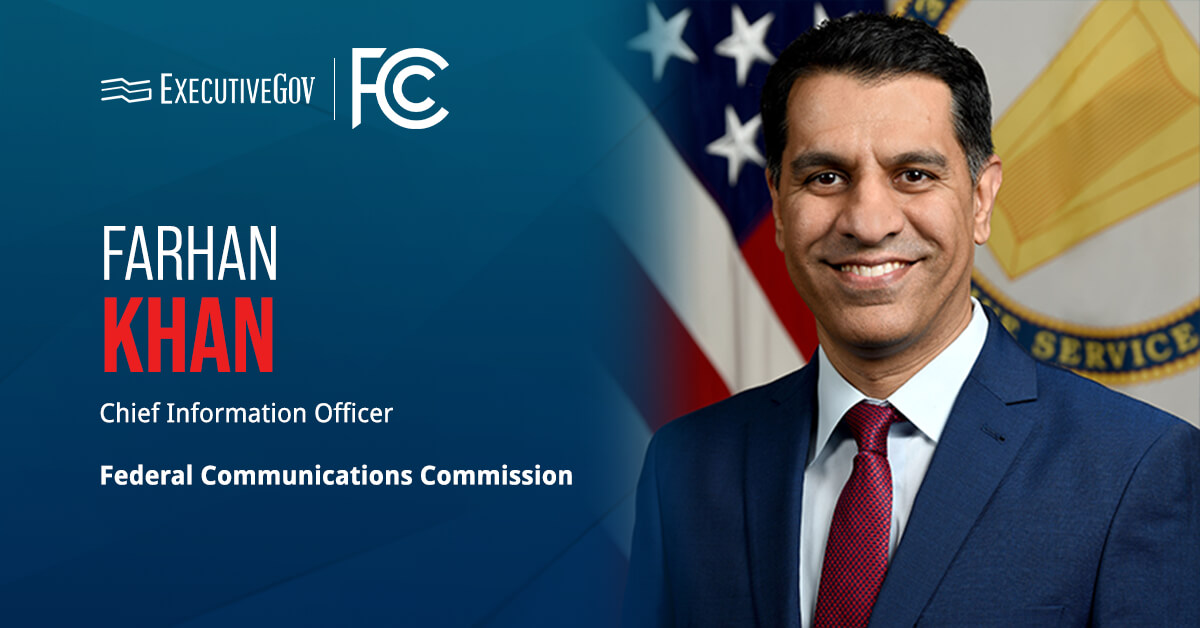
The Federal Communications Commission has appointed Farhan Khan, a technology leader and former Food and Drug Administration official, as chief information officer. As Khan steps into the FCC’s top IT role, federal leaders are sharpening their focus on modernization and secure digital infrastructure. Sign up today for the 2026 Digital Transformation Summit and hear directly from leaders shaping the future of federal technology. FCC said Monday Khan will establish and oversee the commission’s technical vision, lead IT services and drive modernization efforts. He will also ensure information security across FCC systems to support the agency’s workforce and meet the needs
The U.S. Marine Corps conducted “Dynamis Serial 005,” the fifth iteration of Project Dynamis, from March 3 to 20, across five sites in the U.S., including Fort Carson, Colorado, and Charleston, South Carolina. As the Marine Corps advances AI-enabled command and control through efforts like Project Dynamis, conversations around multidomain integration and decision advantage continue to gain urgency across the naval community. Register now for the 2026 Navy Summit and join the discussion about how the service is advancing digital modernization, autonomous systems and other naval capabilities. USMC said Friday the exercise focused on artificial intelligence-enabled battle management command-and-control, or
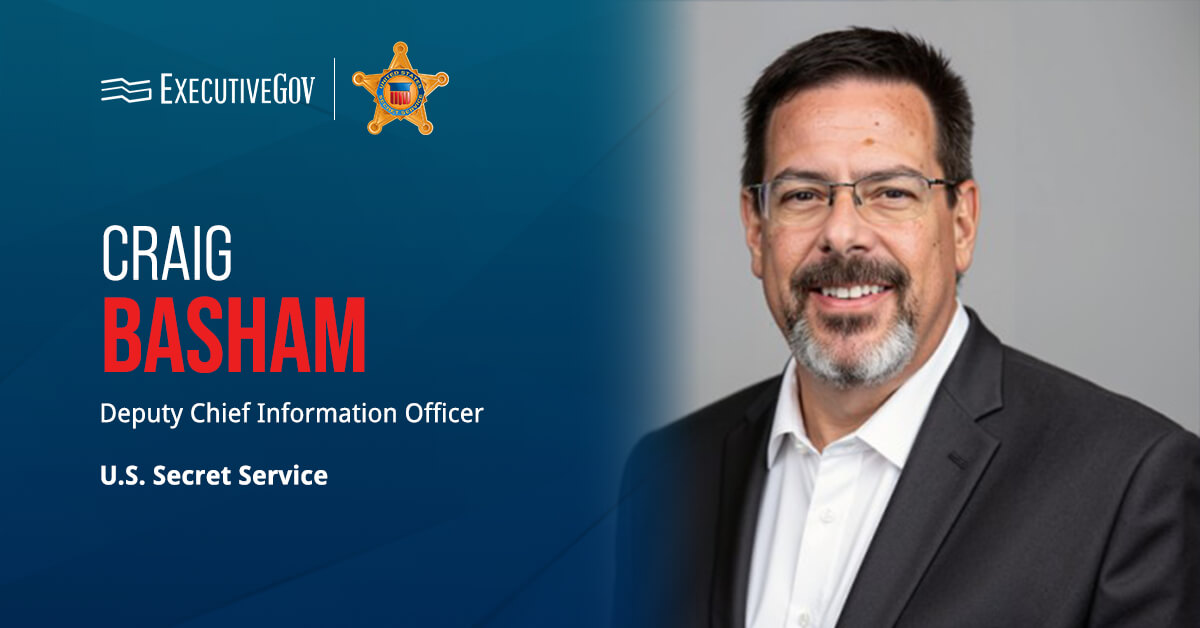
The U.S. Secret Service has appointed veteran technology executive Craig Basham to serve as its new deputy chief information officer. Chris Cummiskey, CEO of Cummiskey Strategic Solutions and former Department of Homeland Security under secretary, announced the appointment Saturday on LinkedIn. Sign up for the Potomac Officers Club’s 2026 Intel Summit on Sept. 24 to hear from senior intelligence leaders and industry experts on how data, AI, cyber capabilities and secure information-sharing are transforming intelligence operations. Who Is Craig Basham? Basham is an IT and cybersecurity leader with more than two decades of experience in federal and military service. He spent over five