

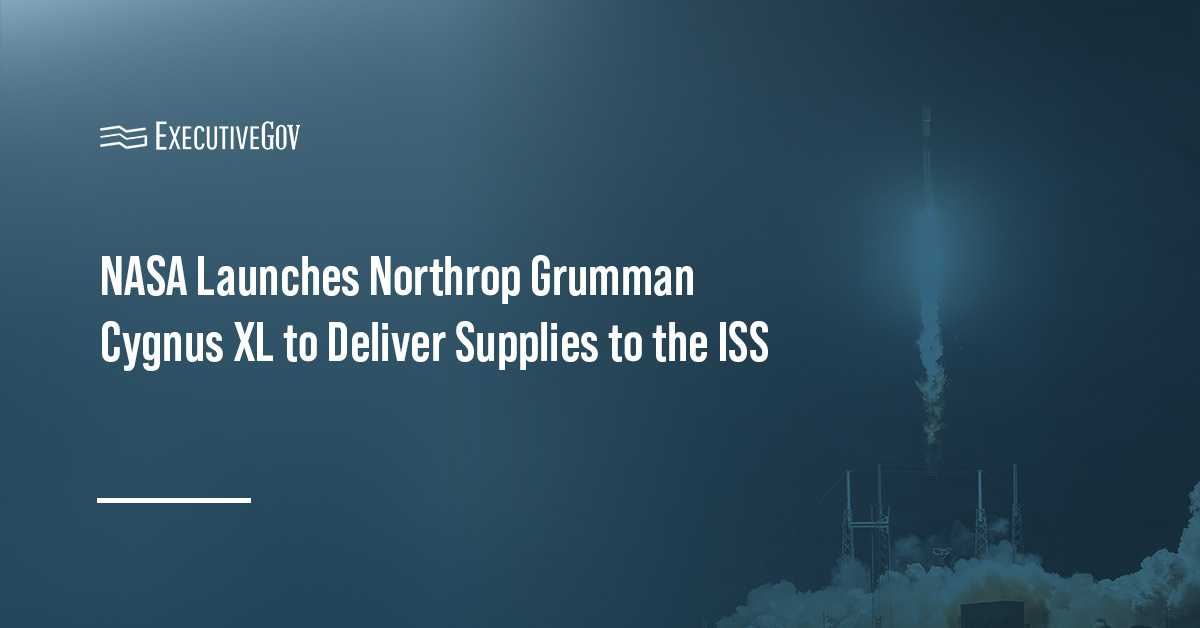
NASA has launched Northrop Grumman’s Cygnus XL spacecraft on a SpaceX Falcon 9 to deliver crew supplies and science and technology demonstrations to the International Space Station.
On Saturday, the Falcon 9 lifted off from Space Launch Complex 40 at Cape Canaveral Space Force Station in Florida for the Northrop Grumman Commercial Resupply Services 24, or CRS-24, mission.
Once it arrives at the ISS, Cygnus XL will be installed on the Unity module to unload cargo. The Northrop spacecraft will remain docked with the orbiting laboratory until October.

Northrop Grumman CRS 24 exemplifies the growing collaboration between the public and private sectors to support national priorities. At the Potomac Officers Club’s 2026 Air and Space Summit on July 30, defense and industry leaders will convene to explore opportunities for partnerships and advance the development of new capabilities that will ensure U.S. leadership in the air and space domains. Register today to secure your seat.
Table of Contents
What Experiments Did the Northrop Grumman CRS-24 Mission Deliver to the ISS?
Northrop Grumman CRS-24 is carrying approximately 11,000 pounds of cargo, including dozens of scientific investigations to be conducted during Expedition 74/75 aboard the ISS.
Among the payloads is a new module for the Cold Atom Lab, which could advance quantum computing and contribute to dark matter research. Cygnus XL is also transporting a receiver that could enhance space weather models to help protect critical space-based infrastructure, such as GPS and radar systems.
Additional research includes model organisms to study the gut microbiome and hardware that could enable the increased production of therapeutic stem cells for treating blood diseases and cancer.
What Is Cygnus XL?
Cygnus XL is the latest iteration of Northrop Grumman’s Cygnus spacecraft line. First flown in 2025, the space resupply freighter offers approximately 33 percent more cargo capacity than previous variants.
In addition to transporting supplies and experiments, Cygnus XL can provide orbital reboost capabilities to help maintain the ISS’ altitude and stability.
“With every resupply mission, we’re evolving our technology and proving that Northrop Grumman is the go-to partner for the future of the commercial low Earth orbit economy,” David Schiller, vice president for civil space and sciences at Northrop Grumman, stated. “We’re committed to remaining a reliable partner for humanity’s exploration of space.”
The Cygnus program has delivered more than 158,000 pounds of cargo to the ISS since 2013, according to the company
Related Articles
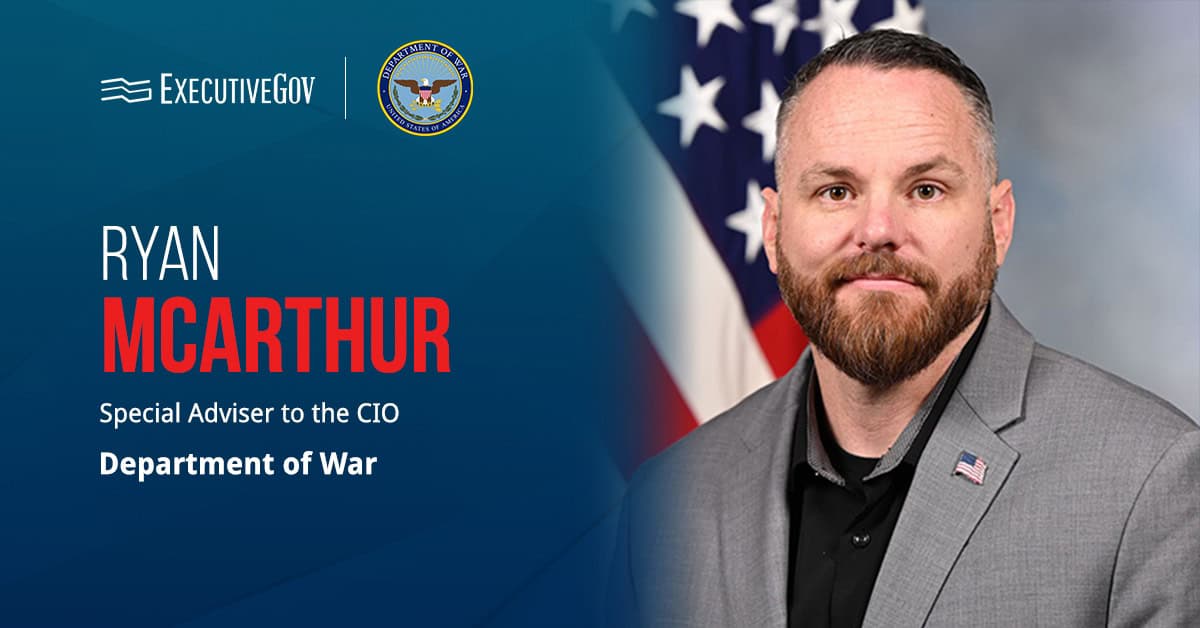
Kirsten Davies, the Department of War’s chief information officer and a 2026 Wash100 awardee, has announced the appointment of Ryan McArthur, former chief technology officer for public sector at Zscaler, as special adviser to the CIO for capability development and operational excellence as part of a broader set of appointments within the CIO office. Davies is set to deliver a keynote speech at the 2026 Digital Transformation Summit. Sign up now for the April 22 event to hear experts discuss how data, AI and enterprise IT initiatives are transforming government operations. In this role, McArthur will provide counsel on emerging
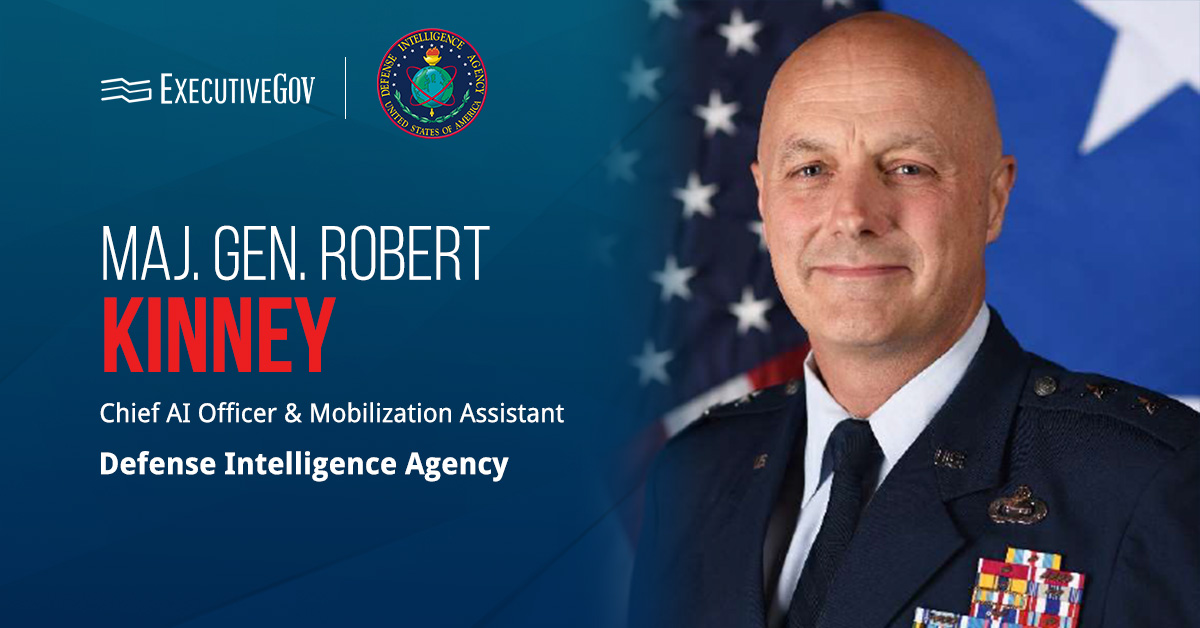
Maj. Gen. Robert Kinney, chief artificial intelligence officer at the Defense Intelligence Agency, said the agency is centralizing its AI efforts through a new organization designed to improve coordination and speed up capability delivery, Breaking Defense reported Friday. DIA’s push to streamline AI efforts through a new centralized unit reflects a broader shift toward faster, more coordinated digital capabilities across the national security landscape. Explore these trends at the 2026 Digital Transformation Summit, which will feature panel discussions on AI in mission-critical environments and the digital backbone of defense modernization. Register now! What Is the Digital Modernization Accelerator? According to
The Department of the Air Force has announced its pursuit of industry partnerships to develop and operate advanced artificial intelligence data centers across three installations in Alaska, the U.S. Space Force said Friday. Register today for the Potomac Officers Club’s 2026 Air and Space Summit on July 30 to hear how the U.S. Air Force and Space Force are leveraging AI and advanced technologies to strengthen capabilities and maintain superiority in the evolving air and space domains. What Is the Scope of the DAF AI Data Center Request? DAF has issued a request for lease proposals on SAM.gov outlining plans to make