


The Army-led Joint Interagency Task Force 401, or JIATF-401, has released a guide outlining technologies used to detect drone threats and the legal framework governing their use while protecting individual privacy.

As the threat from small drones continues to evolve, the defense community is advancing new counter-drone capabilities to help protect personnel and critical infrastructure. These developments are shaping ongoing conversations about the future of Army operations and emerging technologies. Register now to join the discussion at the 2026 Army Summit on June 18.
Table of Contents
Which Sensor Technologies Detect Drone Threats?
The Department of War said Monday the publication, titled “Counter-UAS Operations: Safeguarding Freedoms and Preserving Privacy,” highlights several passive sensor technologies used to identify and track drones while maintaining airspace awareness.
These technologies include radar systems that detect airborne objects; electro-optical and infrared sensors that visually identify drones; acoustic sensors; and radio frequency detection systems that analyze signals emitted by drone communications.
How Do Counter-UAS Systems Protect Privacy?
The guide explains how counter-UAS systems operate in accordance with federal surveillance law.
Col. Scott Humr, deputy director of science and technology for JIATF-401, said the joint force’s approach to counter-UAS technology is designed to safeguard privacy.
“The technologies we are fielding are engineered to be effective while adhering to strict privacy principles. By focusing on data minimization and secure handling processes, we collect only what is necessary to identify a potential threat. This allows us to protect critical infrastructure and public safety without compromising the civil liberties that we are sworn to defend,” Humr added.
What Did Brig. Gen. Matt Ross Say About the Guide?
Army Brig. Gen. Matt Ross, director of JIATF-401, the guide reflects the task force’s commitment to transparency as it deploys counter-drone technologies in a responsible manner that respects privacy and maintains public trust.
“Countering drones is not just a battlefield problem — it’s a homeland defense imperative,” Ross said. “Our goal is to integrate sensors, effectors and mission command systems in a distributed network that protects service members and American citizens alike.”
How Does the Guide Support JIATF-401’s Counter-Drone Efforts?
The publication aligns with several initiatives JIATF-401 has launched to accelerate the deployment of counter-drone capabilities across DOW.
The task force recently declared initial operational capability for its Counter-UAS Marketplace, a procurement platform that enables government users to identify and acquire vetted counter-drone technologies through an existing contract vehicle. JIATF-401 also supports broader defense efforts to field scalable counter-small UAS systems, including initiatives tied to installation protection and the Pentagon’s Replicator 2 program.
Related Articles

Gen. Michael Guetlein, director of Golden Dome for America, and Emil Michael, under secretary of war for research and engineering, highlighted progress on the next-generation homeland missile defense initiative during an event held Thursday at Joint Expeditionary Base Little Creek-Fort Story in Virginia Beach, Virginia. Both leaders are Wash100 Award winners. Golden Dome highlights the growing focus on integrated air and missile defense capabilities across the national security landscape. Attend the 2026 Air and Space Summit to join experts as they discuss emerging technologies and defense strategies in support of missions across two critical domains. Save your spot now! What
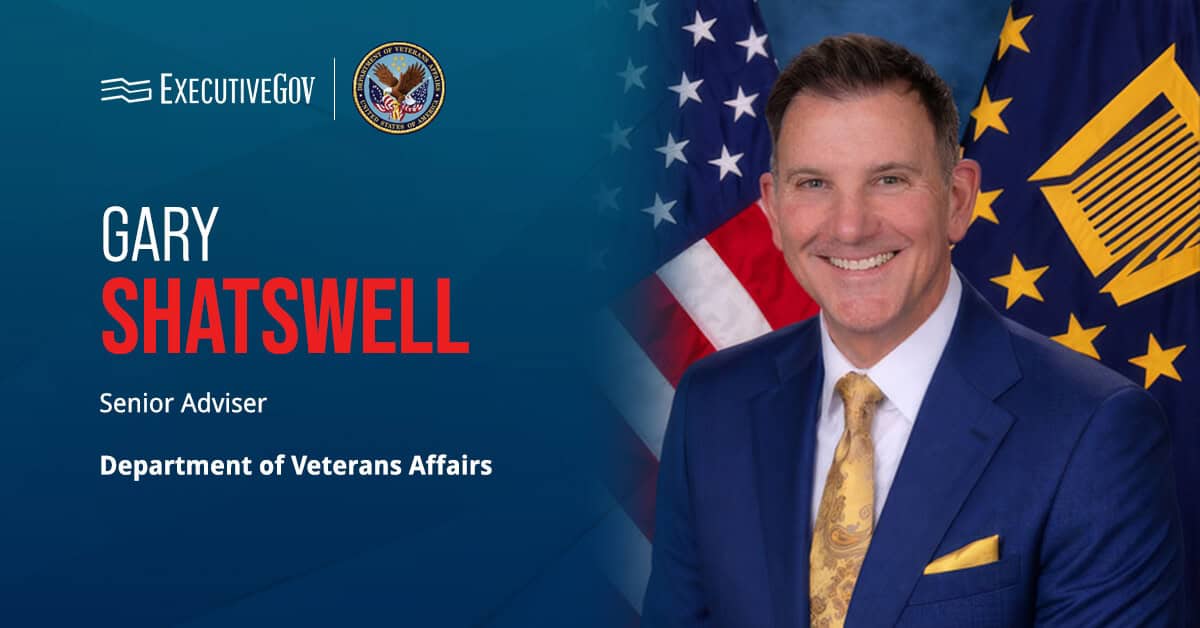
President Donald Trump has nominated Gary Shatswell as chief information officer and assistant secretary for information and technology at the Department of Veterans Affairs. The Senate said Tuesday that it has received Shatswell’s nomination for the dual-hatted role. If confirmed, Shatswell will succeed Kurt DelBene, who departed the VA in January 2025 to retire. Who Is Gary Shatswell? Shatswell has over three decades of experience as an executive in the private and public sectors. He currently serves as a senior adviser to VA Secretary Douglas Collins. Prior to joining the VA, he was group chief information officer at Unilever Prestige,
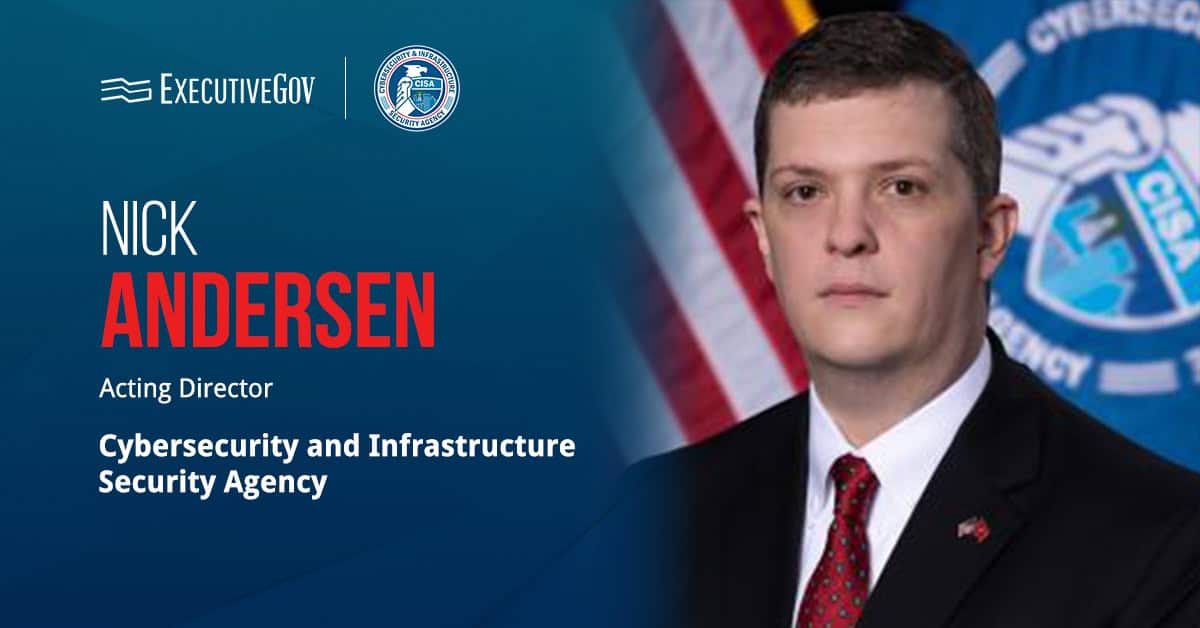
The Cybersecurity and Infrastructure Security Agency and the U.K.’s National Cyber Security Centre have issued a joint advisory warning of covert networks of compromised devices linked to Chinese state-sponsored cyber actors. The growing concern over China-related threats highlights the significance and importance of strong cybersecurity. Gain more insights on how the government and industry are addressing evolving cyberthreats at the 2026 Cyber Summit, presented by the Potomac Officers Club, which will be held on May 21. Sign up now! What Does the CISA and NCSC Advisory Address? The guidance titled “Defending Against China-Nexus Covert Networks of Compromised Devices” aims to help