

President Donald Trump has signed a new executive order aimed at improving efficiency, accountability and performance in federal contracting by utilizing fixed-price and performance-based contracts as the default and preferred method of procurement.
Table of Contents
What Changes Does the EO Introduce?
According to a White House fact sheet issued Thursday, under the EO, agency leaders will also be required to justify the use of non-fixed-price contracts and, in some cases, seek approval before proceeding.
Agencies will also have to review their largest existing non-fixed-price contracts and, where feasible, modify or renegotiate them to incorporate fixed-price and performance-based elements.
In addition, the Office of Management and Budget and the Office of Federal Procurement Policy are required to issue guidance and regulatory updates to ensure consistent implementation of the EO across the federal government.
Why Is the Administration Shifting Contracting Strategy?
The administration said the move addresses long-standing concerns about cost overruns and weak performance incentives in federal procurement. Cost-reimbursement contracts, which accounted for roughly $120 billion in obligations for consulting services in fiscal year 2024, can reduce incentives for contractors to control spending.
The EO aligns with a previous mandate from the president to ensure that defense contractors increase production capacity and accelerate the delivery of critical warfighter capabilities by restricting stock buybacks, corporate distributions and executive compensation of underperforming vendors.
In February, Trump also directed the Department of Government Efficiency and agency leaders to develop a centralized system for recording payments issued to covered contracts and grants.
Related Articles
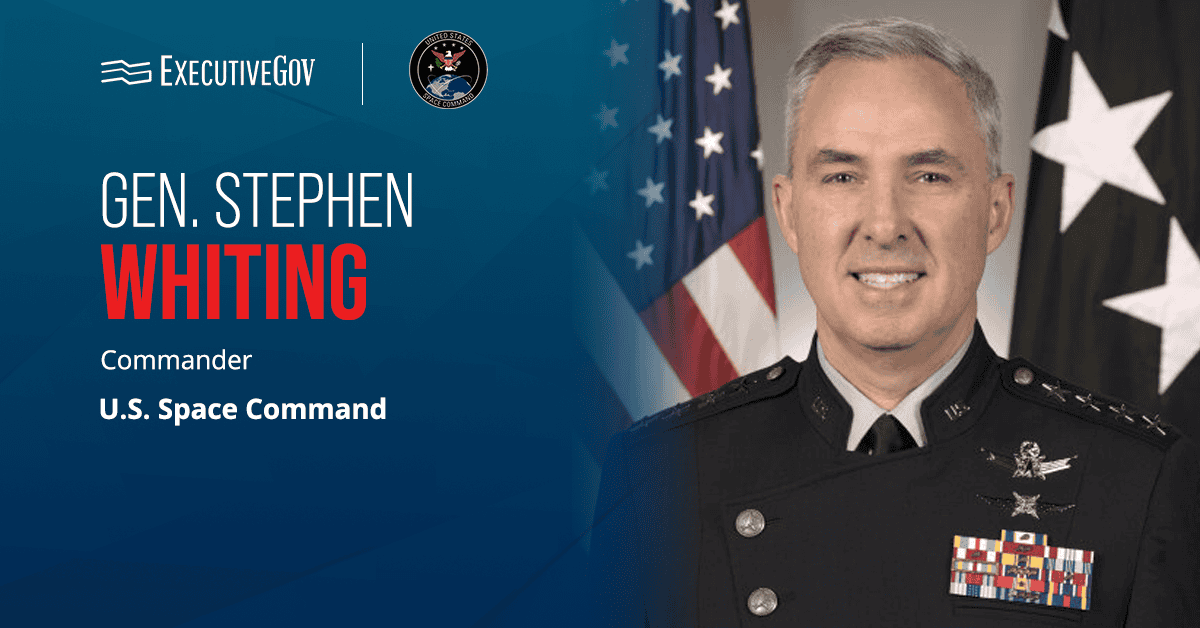
U.S. Space Command has taken operational control of a facility at Redstone Arsenal in Huntsville, Alabama. Attend the 2026 Air and Space Summit on July 30 and join military leaders and industry executives as they examine topics such as cross-domain operations, secure data integration, commercial space capabilities and the pace of military technology advancement. Reserve your spot now! During a ribbon-cutting ceremony held on Wednesday, Gen. Stephen Whiting, commander of USSPACECOM, said the facility will house the first operational element of the command’s headquarters as part of its ongoing transition from Colorado Springs, Colorado, to Huntsville. “This facility represents a

The intelligence and cybersecurity agencies of the U.S., Australia, Canada, New Zealand and the U.K. have released new guidance on securing agentic artificial intelligence systems used in critical infrastructure and defense environments. The latest guidance highlights the growing cybersecurity risks tied to agentic AI. As agencies emphasize governance, oversight and continuous risk assessment, these priorities are expected to shape ongoing discussions across the defense and critical infrastructure sectors. Save your seat now for the 2026 Cyber Summit, which will explore the role of AI in cyber defense, post-quantum cryptography, zero trust and other cyber priorities. What Are the Security Risks of
The Department of Energy and the National Reactor Innovation Center have opened applications for the Nuclear Energy Launch Pad, signaling an effort to accelerate private sector deployment of advanced nuclear technologies through streamlined federal pathways. The request for applications, posted on SAM.gov, builds on 2025 pilot programs to reduce regulatory friction and move technologies more quickly from development to demonstration and eventual commercialization, Idaho National Laboratory said Friday. Government and industry leaders at the Potomac Officers Club’s 2026 FedCiv Summit on Oct. 29 will provide insight into how federal agencies are advancing priority initiatives and shaping procurement strategies. Register now!