

A Government Accountability Office report has found that the Small Business Administration has not consistently met federal requirements to publicly disclose how it uses artificial intelligence, raising concerns about transparency.

AI can enhance government services and accelerate mission execution, but it also comes with risks. At the Potomac Officers Club’s 2026 Cyber Summit on May 21, government leaders will discuss AI use cases and strategies to adopt the technology safely and securely. Get your tickets today.
Table of Contents
What Did GAO Find About SBA’s AI Reporting?
According to the report published Monday, agencies are required to publicly disclose specific AI use cases, including how systems are designed, developed and procured, since 2020. However, SBA did not release its first AI use case inventory until March 2026.
The report cited multiple reasons for SBA’s failure to comply with reporting requirements. Between 2021 and 2023, SBA officials believed the agency lacked reportable AI use cases. In 2024, SBA maintained an internal inventory but did not publish it, citing a lack of documentation and staff turnover.
SBA’s failure to disclose AI use has drawn congressional attention. In 2024, Sen. Joni Ernst, R-Iowa, sent a letter to the agency, questioning why it did not report certain use cases despite publicly acknowledging that officials have utilized AI for fraud detection in loan programs and pandemic relief screening efforts, FedScoop reported.
As of April 2026, SBA said AI policies remain under revision and reporting processes are still being developed.
What Did GAO Recommend?
The congressional watchdog called on SBA to establish policies and procedures to ensure it consistently meets requirements for publicly reporting AI use case inventories. SBA must also define roles and responsibilities for reporting and document the implementation of policies and key decisions.
SBA concurred with the recommendations.
What Are the Possible Uses of AI at SBA?
In the report, GAO also identified ways AI could support SBA missions, including conducting market research, reviewing proposals, analyzing agency-submitted data, drafting required reports, and detecting and preventing fraud.
The report noted that SBA, which oversees Offices of Small and Disadvantaged Business Utilization and the Small Business Innovation Research and Technology Transfer program across government, could use AI to improve efficiency in managing data and reporting requirements.
However, GAO warned that the technology can produce inaccurate outputs, create data privacy and security concerns, and deliver biased outcomes that could affect decision-making processes.
In addition, according to the congressional watchdog, agencies may face challenges in implementing AI, such as limited technical expertise and complex approval processes for new technologies.
Related Articles
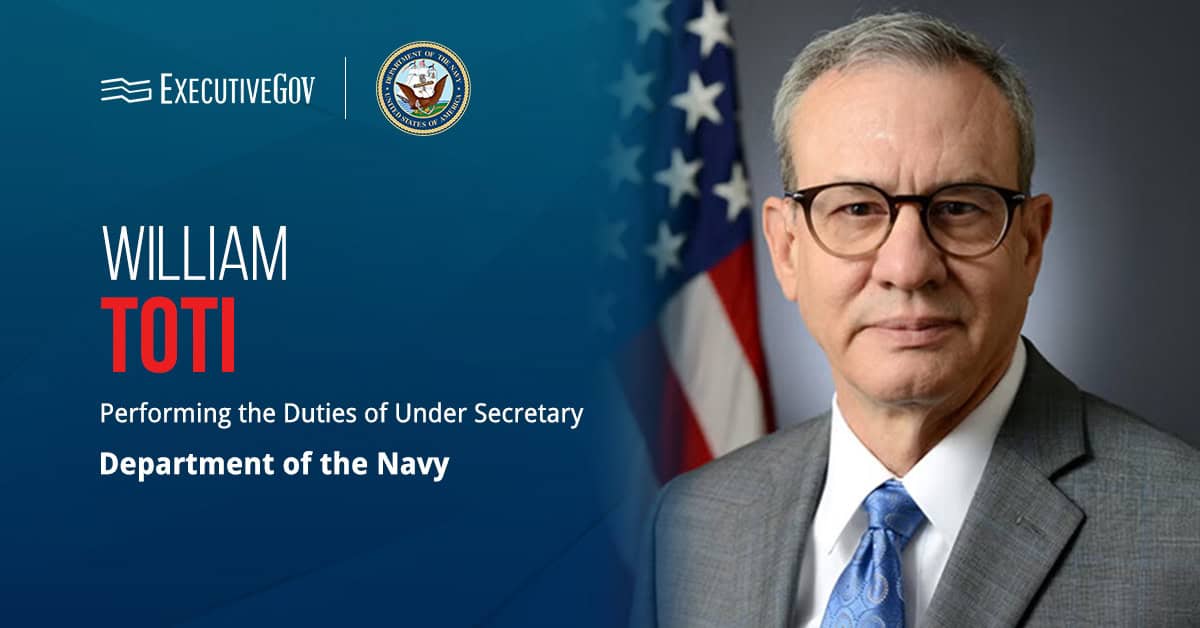
Acting Navy Secretary Hung Cao has appointed William “Bill” Toti, a retired U.S. Navy captain and a previous Wash100 awardee, to perform the duties of the under secretary of the Navy. The latest leadership move at the Navy comes as the service advances major initiatives tied to maritime dominance and acquisition reform. These priorities are expected to take center stage at the 2026 Navy Summit, where experts will discuss autonomous systems and other emerging capabilities transforming naval operations. Register now! What Did Acting Navy Secretary Hung Cao Say About Toti? In a statement published Friday on X, Cao said Toti
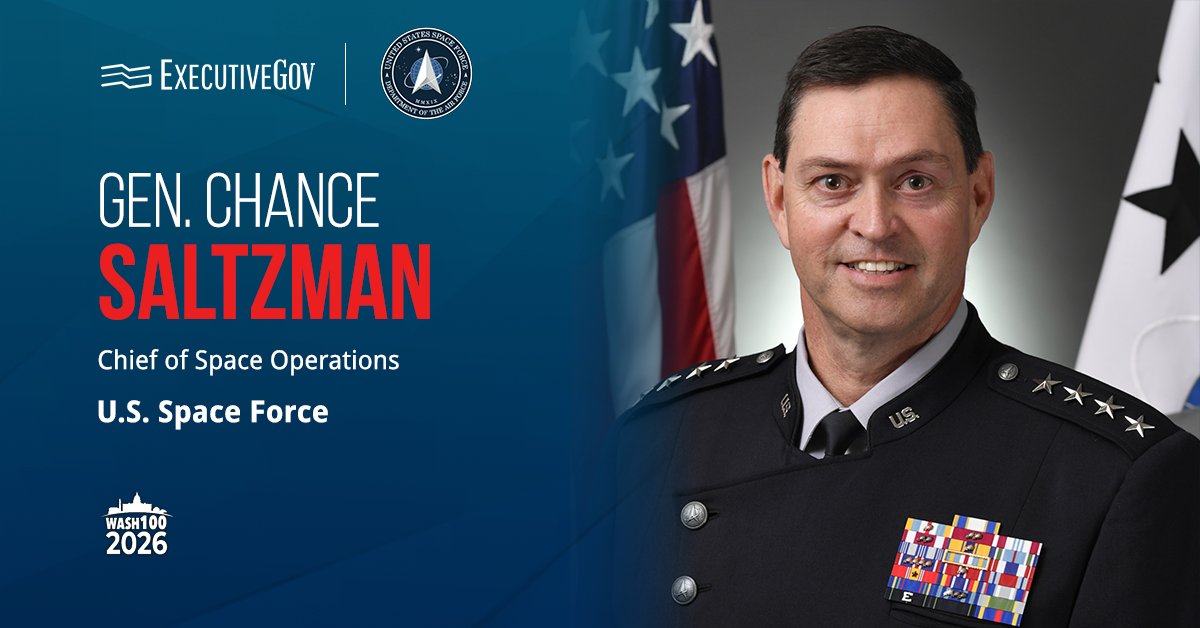
The U.S. Space Force has accelerated the employment of the Deep Space Advanced Radar Capability, or DARC, to address growing risks from manmade objects and potential adversary activity in orbit. Attend the 2026 Air and Space Summit on July 30 to hear military leaders and industry executives as they explore topics such as commercial space capabilities, cross-domain operations, secure data integration, and the pace of military technology advancement. Book your spot now! The service said Monday it approved DARC for early use in September, enabling U.S. Space Command to begin operational activities ahead of full system acceptance. What Is DARC?
The National Reconnaissance Office has awarded three companies contracts to expand the agency’s access to commercial remote sensing data and strengthen its intelligence, surveillance and reconnaissance capabilities. The Potomac Officers Club’s 2026 Intel Summit on Sept. 24 will bring together intelligence community leaders and industry partners to discuss how emerging technologies are reshaping intelligence operations. The event will focus on priorities in data, AI, cyber and secure information-sharing, while examining modernization efforts amid evolving mission demands and budget constraints. Register now! What Capabilities Will the Companies Provide? The awards, issued under the Strategic Commercial Enhancements commercial solutions opening—a.k.a. SCE CSO—expand