

The Advanced Research Projects Agency for Health has launched a new program aimed at accelerating biomedical discovery through an artificial intelligence-enabled research ecosystem designed to improve reproducibility, collaboration and disease modeling.
ARPA-H said Tuesday the Intelligent Generator of Research, or IGoR, program will support the development of AI-powered systems intended to generate, validate and refine biomedical research more efficiently, particularly for complex and chronic diseases.
The Potomac Officers Club will convene senior healthcare leaders at its 2026 Healthcare Summit on Dec. 3. Register now to hear top officials discuss FY 2027 contracting priorities, modernization efforts and investments in digital health capabilities.
Table of Contents
What Is the IGoR Program?
IGoR is designed to address longstanding challenges in biomedical research, including fragmented workflows, limited cross-disciplinary collaboration and the replication crisis affecting scientific research.
The program will fund teams working across artificial intelligence, computational biology, experimental science and laboratory infrastructure to build connected systems capable of modeling diseases, identifying knowledge gaps and recommending experiments to improve scientific understanding.
ARPA-H said the initiative will focus on conditions such as Alzheimer’s disease, Parkinson’s disease and autoimmune disorders, where biological complexity has outpaced traditional research methods.
How Will IGoR Work?
The program will establish standardized experimental protocols and a network of laboratories to replicate studies and generate validated data.
According to ARPA-H, the resulting data will continuously improve the underlying disease models, creating what the agency described as a more adaptive and systematic research ecosystem.
“Families shouldn’t wait for breakthroughs while new knowledge trickles through the literature and researchers do experiments that are the most familiar rather than the most informative,” said ARPA-H Director Alicia Jackson. “With IGoR, ARPA-H will modernize how evidence is generated, shared, and validated—so even research beyond our accelerated science portfolio can deliver breakthroughs in years, not decades.”
IGoR aligns with ARPA-H’s effort to expand partnerships with researchers, startups and technology companies to advance health innovation. Since taking over as director in late 2025, Jackson has emphasized efforts spanning healthcare cybersecurity, distributed biomanufacturing and advanced medical technologies.
Related Articles
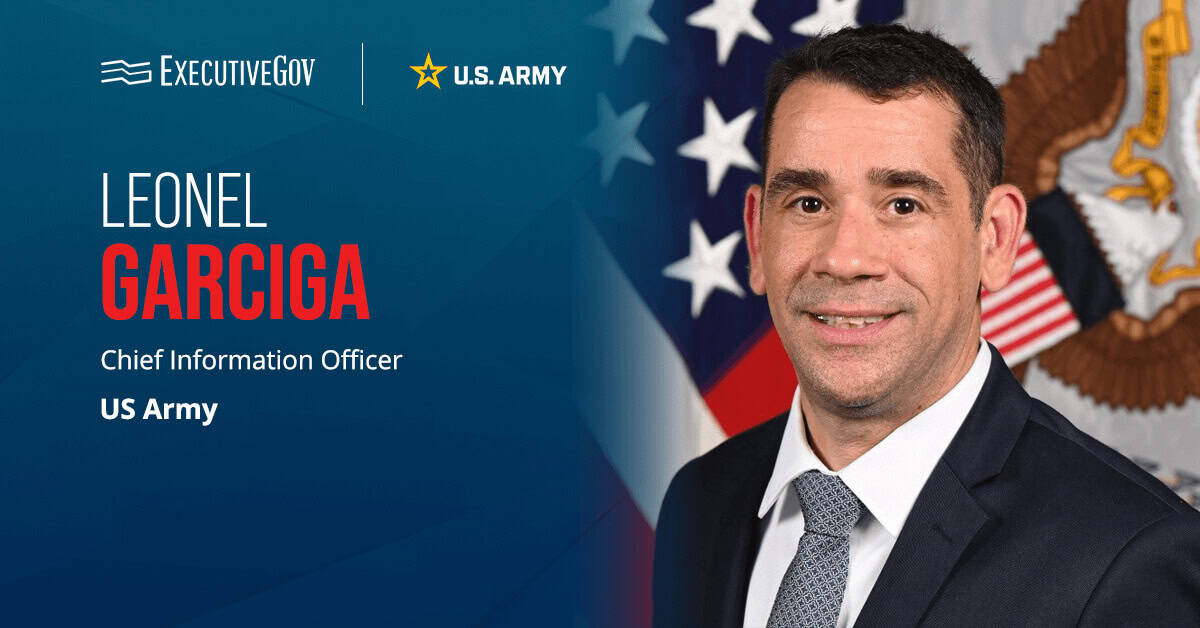
The U.S. Army has announced that Chief Information Officer Leonel Garciga, a two-time Wash100 awardee, stepped down from his role on Friday. As government and industry officials continue conversations about Army modernization efforts, military and industry leaders will gather on June 18 at the 2026 Army Summit to discuss the service’s evolving technology priorities. The event will feature discussions on AI, reconfigurable air defense and cost-effective fires, cybersecurity, and the future of the tactical edge. Sign up now! In a LinkedIn post published Tuesday, the Office of the Army CIO said officials held a farewell ceremony on Friday, May 1,
The National Institute of Standards and Technology’s Center for AI Standards and Innovation, or CAISI, has signed agreements with Google DeepMind, Microsoft and xAI to support frontier artificial intelligence testing and research tied to national security efforts. As government and industry leaders expand efforts to evaluate frontier AI systems for national security applications, discussions around AI’s growing role in cybersecurity continue to gain momentum. The 2026 Cyber Summit on May 21 will feature a panel discussion about the role of AI in cyber defense. Reserve your spot now! NIST said Tuesday the agreements build on previously announced partnerships that were
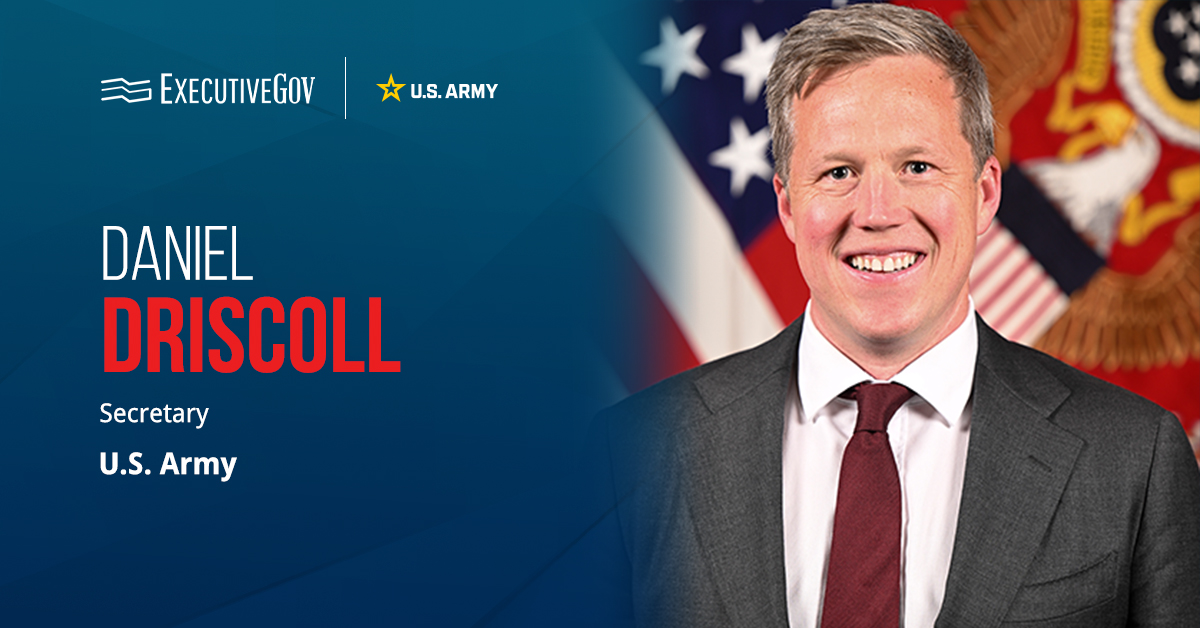
Secretary of the Army Dan Driscoll, a 2026 Wash100 Award winner, and leaders from major defense companies announced the launch of the “Right to Integrate” hackathon to accelerate the integration of Army systems with industry technologies. Senior Army leadership will convene for the Potomac Officers Club’s 2026 Army Summit on June 18. Don’t miss this chance to network with other defense industrial base partners and get in front of military and government buyers; register now! What Is the Army’s Right to Integrate Initiative? The Army said Tuesday the “Right to Integrate” initiative, or R2I, will bring together the Army and defense contractors to