

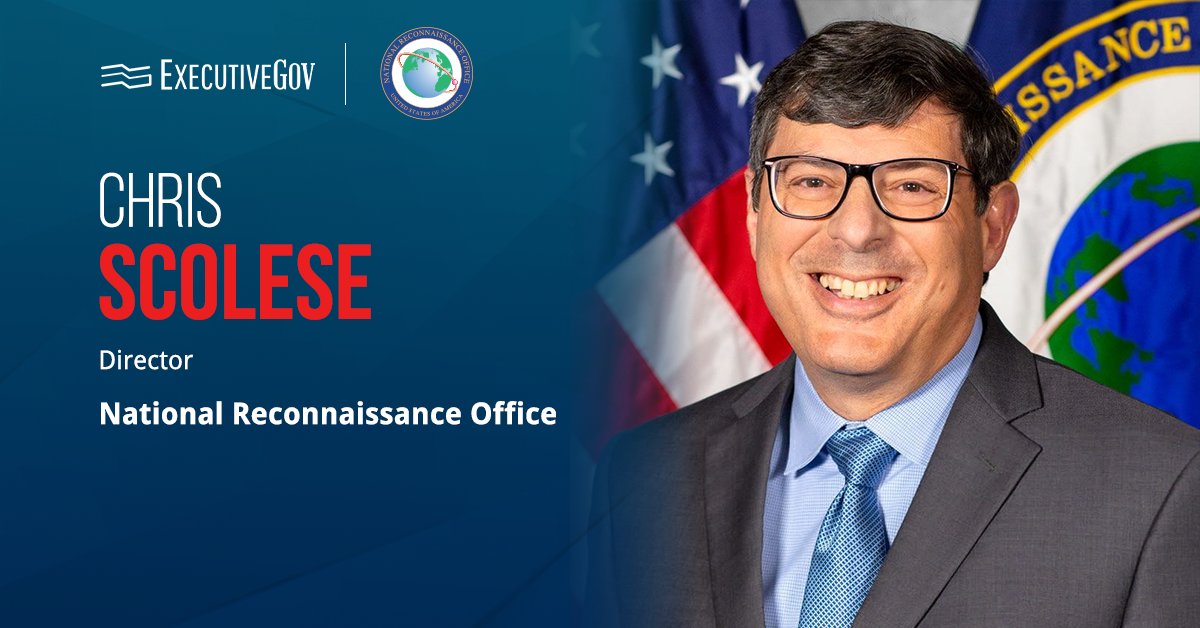
National Reconnaissance Office Director Chris Scolese, a five-time Wash100 awardee, said artificial intelligence is transforming how NRO delivers space-based intelligence capabilities that support national security missions.

As NRO and other agencies within the intelligence community accelerate the adoption of AI, automation and advanced space capabilities, government and industry leaders continue to shape the future of national security operations. Attend the Potomac Officers Club’s 2026 Intel Summit on Sept. 24 to hear more about AI, data, secure information sharing and other modernization priorities within IC. Save your spot now!
“Simply put, we must continue to leverage AI – and every emerging technology that we can – to maintain the U.S. space-based intelligence advantage as we protect our satellites; enhance our ability to monitor adversary activity; and provide timely, accurate intelligence to warfighters, analysts, first responders, and decision makers,” Scolese said Wednesday at the GEOINT Symposium in Aurora, Colorado.
His remarks came two months after he said at a separate conference that NRO is advancing the use of AI, quantum sensing and other emerging technologies to accelerate the delivery and analysis of space-based intelligence data.
Table of Contents
How Is NRO Advancing AI-Driven Transformation?
During his keynote address at the conference, Scolese said NRO is using AI, machine learning and automation to deliver data from multiple intelligence sources “at machine speed and global scale.”
To support that effort, the agency has expanded its satellite architecture, adding more than 200 satellites of varying sizes and capabilities over the last two years.
Scolese stated that NRO has established an office focused on integrating commercial technologies; adapted existing systems to improve resiliency and capability; increased investments in technology development initiatives; strengthened engagement with the technical community; and adopted contract structures to support agile and rapid development efforts, including the use of prototypes and space experiments.
How Does NRO Apply AI Across Operations?
Scolese said the agency is applying AI across ground systems, spacecraft operations, engineering and acquisition activities.
According to the NRO director, the agency is using AI to:
- detect anomalies in space and ground operations to help protect assets from cyberthreats;
- assess design requirements, identify capability gaps and reduce risk earlier in development cycles;
- accelerate enterprise lifecycle reviews and convert document-based artifacts into digital engineering models;
- automate test procedure generation and improve risk analysis;
- speed technical document reviews and improve search and retrieval functions across historical mission documentation and technical libraries; and
- accelerate contract actions to reduce administrative burden and speed up delivery of new technologies and systems.
“As we continue to operationalize AI and incorporate AI models into essential NRO functions, we need to be able to look inside the ‘black box’ of AI and verify the prediction and outputs of a model are correct, and understand how the model arrived at its prediction,” Scolese said.
He added that the NRO remains focused on building trust and transparency into AI systems through testing, continuous monitoring and documentation processes.
Related Articles
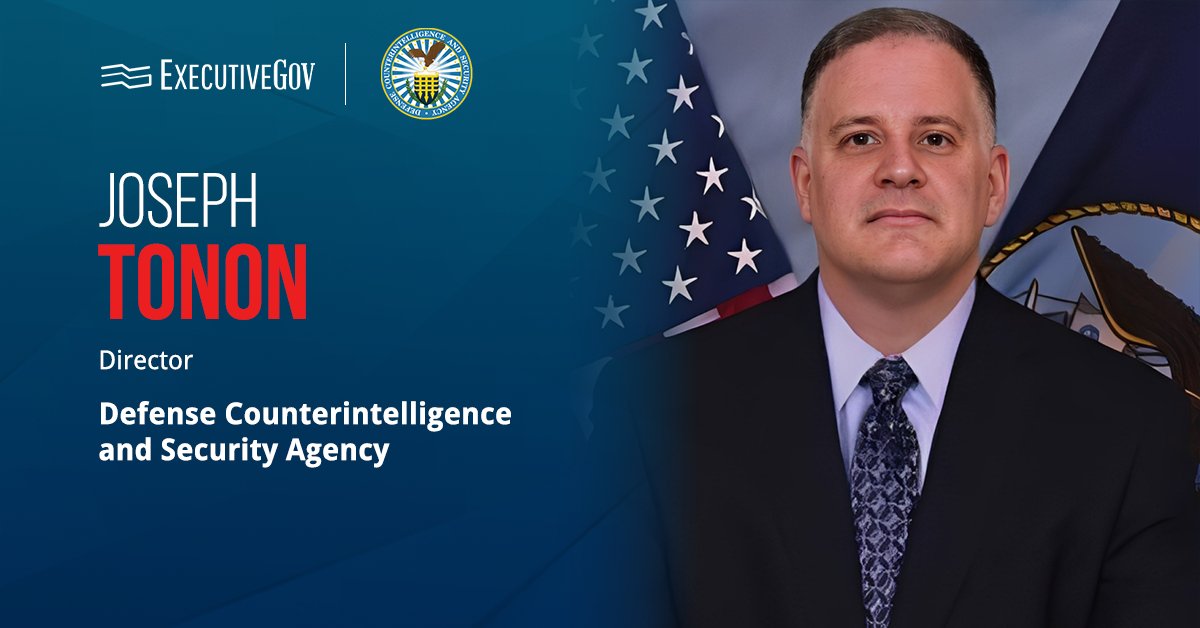
Joseph Tonon, a former Amazon Web Services executive, has been named director of the Defense Counterintelligence and Security Agency. Under Secretary of War for Intelligence and Security Bradley Hansell announced Tonon’s selection as head of DCSA on Wednesday. As DCSA prepares for a leadership transition, federal officials and industry leaders continue to focus on intelligence modernization, secure information-sharing, AI, cyber capabilities and other technologies shaping national security operations — topics that will be explored at the 2026 Intel Summit. Sign up now for the Sept. 24 event to hear experts discuss evolving mission demands and emerging technologies shaping the future
The Food and Drug Administration has launched Elsa 4.0, the latest version of its internal artificial intelligence platform, and consolidated more than 40 agency application and submission systems into a new data platform called HALO. The agency said Wednesday the modernization effort is intended to expand AI integration across FDA operations and improve how staff access and analyze regulatory data. “Integrating AI into our workflows is an urgent priority that will allow us to rapidly advance regulatory science and deliver more cures and meaningful treatments to patients faster,” said Jeremy Walsh, FDA chief AI officer. Find out how the major
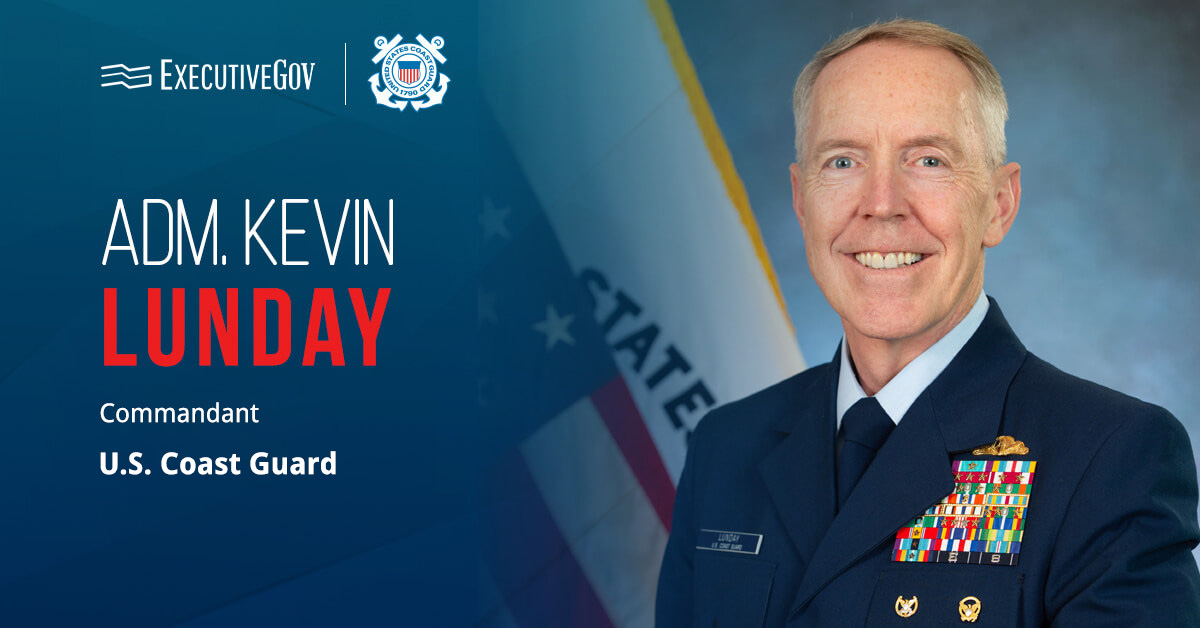
The U.S. Coast Guard is consolidating its deployable specialized forces under a new Special Missions Command headquartered in Kearneysville, West Virginia, the service said Wednesday. As the Coast Guard advances modernization efforts with its new Special Missions Command, the Potomac Officers Club’s 2026 Homeland Security Summit on Nov. 12 will bring together DHS and industry leaders to discuss evolving security priorities, operational capabilities and emerging technologies. Register now. What Is the Purpose of the Special Missions Command? The Special Missions Command is intended to enhance the Coast Guard’s readiness, coordination, response capabilities, mission effectiveness and interoperability across service, departmental and joint