

- Army develops Multi-Domain Command-Pacific following theater-level operational experiment
- MDC-PAC combines maneuver formations with cyber, space and multidomain capabilities
- The 2026 Army Summit on June 18 will cover the hyperconnected battlefield, AI and more

The Army’s continued focus on multidomain operations and force modernization comes as government and industry leaders prepare to gather for the 2026 Army Summit on June 18. The event will bring together defense stakeholders to discuss hyperconnected battlefield, AI, reconfigurable air defense and other priorities shaping the future of the service and the broader national security landscape. Sign up now!
Col. Todd Burroughs, deputy commanding general-support for MDC-PAC, said the effort originated from a December 2024 operational experiment involving the 7th Infantry Division and the 1st Multi-Domain Task Force.
“What we did in December 2024 is we ran a multidomain command experiment where we combined the 7th Infantry Division and the 1st Multi-Domain Task Force,” Burroughs said. “We did a proof of principle for a two-star headquarters as a joint force integrator and a theater-enabling command to integrate multidomain capabilities at the theater level.”
Burroughs said the exercise informed the Army Transformation Initiative after the experiment demonstrated the effectiveness of the two-star command structure.
Table of Contents
What Is the Operational Role of MDC-PAC?
Burroughs said MDC-PAC serves as a covering force for the joint force by operating ahead of the main formation to assess the operational environment, carry out reconnaissance and counter-reconnaissance missions, and disrupt adversary capabilities before major operations commence.
The command combines the 7th Infantry Division’s two Stryker infantry brigades with the 1st MDTF’s fires, space, cyber, intelligence and electronic warfare capabilities.
What Is the Cross-Domain Contact Layer?
The Cross-Domain Contact Layer, or CDCL, serves as the operational framework for MDC-PAC by connecting distributed teams across multiple domains to detect targets and synchronize both kinetic and non-kinetic responses.
“Once they get good target-quality data, they’re executing non-kinetic and kinetic effects from multiple formations in order to create maximum effect,” Burroughs said. “The operational framework we use to do that is the Cross-Domain Contact Layer.”
The CDCL framework incorporates four core components:
- Integrated sensor networks operating across air, ground, maritime, cyber and space domains
- Layered agile effects formations that combine precision fires with scalable, lower-cost autonomous systems
- Agentic AI-enabled command and control systems built to synchronize sensing and operational effects
- Durable force disposition designed to sustain operations inside anti-access and area denial environments
Burroughs said the Army developed the CDCL framework for Indo-Pacific operations but noted that the concept could apply in other theaters.
Related Articles
ODNI assigns Dave Mastro and James Cangialosi to coordinate election threat response efforts Officials brief Congress on foreign interference monitoring and election security coordination The 2026 Intel Summit on Sept. 24 will discuss AI, secure information-sharing and more The Office of the Director of National Intelligence has assigned two officials to coordinate intelligence community efforts aimed at monitoring and responding to foreign threats targeting the 2026 midterm elections, The Record reported Friday. As the IC increases coordination efforts ahead of the 2026 midterm elections, government and industry leaders are continuing discussions on the future of intelligence modernization and national security
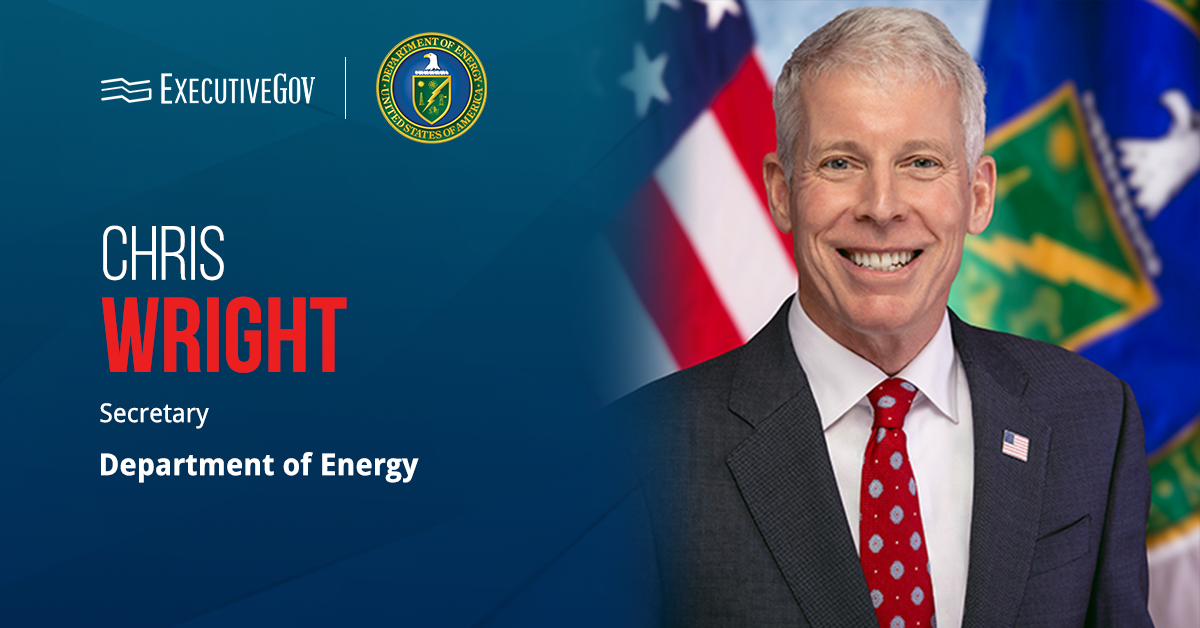
DOE expands support for advanced nuclear projects with $94 million in new awards Eight companies selected to strengthen the U.S. SMR supply chain and manufacturing base Funding targets reactor components, fuel production and factory upgrades across multiple states The Department of Energy has selected eight companies to receive more than $94 million in cost-shared funding to support the deployment of advanced light-water small modular reactors, or SMRs. What Will the Funding Support? DOE said Thursday projects funded through the program will focus on expanding manufacturing capacity and supporting production of reactor components and nuclear fuel. The agency said efforts include equipment
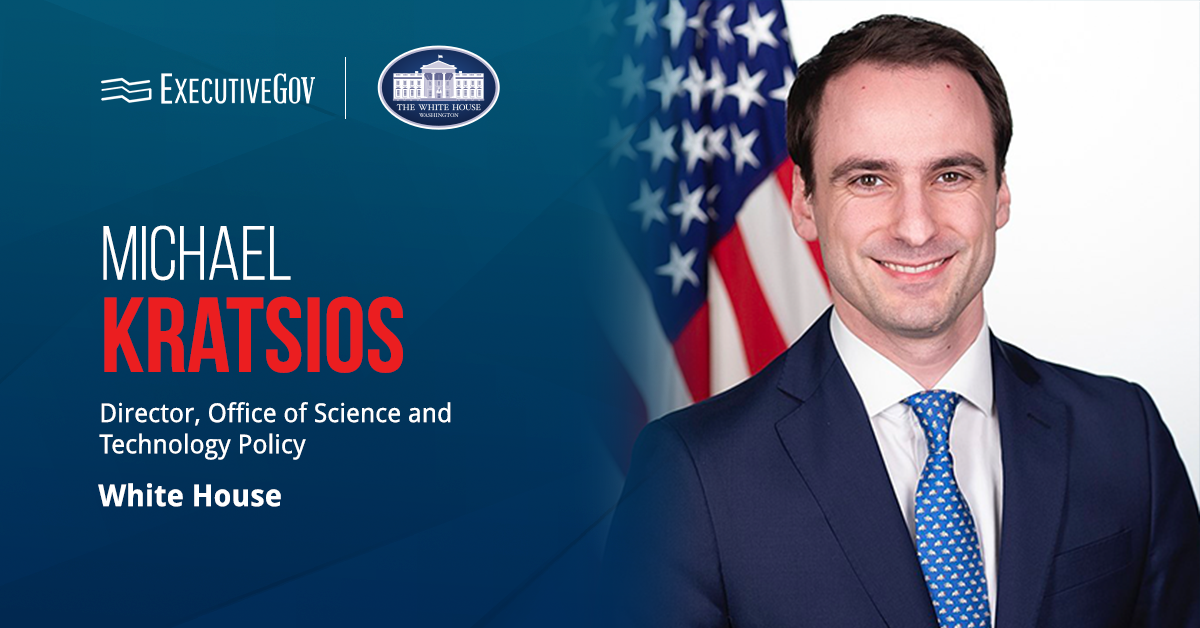
NSF launches $1.5 billion initiative to accelerate breakthrough science X-Labs program shifts toward milestone-driven R&D organizations Effort targets emerging technologies, including quantum and AI-enabled systems The National Science Foundation has launched a new $1.5 billion initiative aimed at reshaping how breakthrough science is funded and commercialized in the U.S., moving beyond traditional university and laboratory research models in favor of independent, milestone-driven research and development organizations. Over the next decade, NSF X-Labs will support interdisciplinary teams of researchers, engineers and entrepreneurs focused on developing sector-defining technologies and solving high-impact scientific challenges, NSF said Thursday. The initiative is managed through NSF’s