

- NSF launches $1.5 billion initiative to accelerate breakthrough science
- X-Labs program shifts toward milestone-driven R&D organizations
- Effort targets emerging technologies, including quantum and AI-enabled systems
The National Science Foundation has launched a new $1.5 billion initiative aimed at reshaping how breakthrough science is funded and commercialized in the U.S., moving beyond traditional university and laboratory research models in favor of independent, milestone-driven research and development organizations.
Over the next decade, NSF X-Labs will support interdisciplinary teams of researchers, engineers and entrepreneurs focused on developing sector-defining technologies and solving high-impact scientific challenges, NSF said Thursday.
The initiative is managed through NSF’s Directorate for Technology, Innovation and Partnerships, or TIP.
How Will NSF X-Labs Fund Breakthrough Science?
Rather than relying on conventional grant funding, NSF X-Labs will operate through milestone-based other transaction agreements that emphasize measurable technical progress, organizational flexibility and rapid execution. In a solicitation notice posted on SAM.gov, NSF said teams will be expected to make decisions “in days not weeks” and maintain internal control over staffing, intellectual property, partnerships and funding allocation.
NSF anticipates awarding Phase 0 planning contracts of up to $1.5 million, followed by Phase 1 awards of up to $50 million per year to selected teams.
The first X-Labs funding opportunities focus on two technology areas:
- Scientific instrumentation for sensing and imaging, including quantum sensing, artificial intelligence-driven computational imaging and new chemical modalities
- Quantum interconnects and integrated photonics to support next-generation quantum computing architectures
Which Technologies Will NSF X-Labs Prioritize?
The initiative is intended to “build new R&D structures that can tackle large-scale scientific breakthroughs requiring interdisciplinary and inter-sector coordination,” the solicitation stated. It is designed to help move critical technologies from early-stage concepts and prototypes toward commercially viable platforms ready for private investment and deployment.
NSF said selected teams should pursue breakthroughs capable of creating entirely new sectors or reshaping existing scientific fields rather than incremental improvements.
Examples cited in the solicitation include transformative technologies such as the internet, polymerase chain reaction, very-large-scale integration semiconductor design, next-generation sequencing and AI models for protein structure prediction.
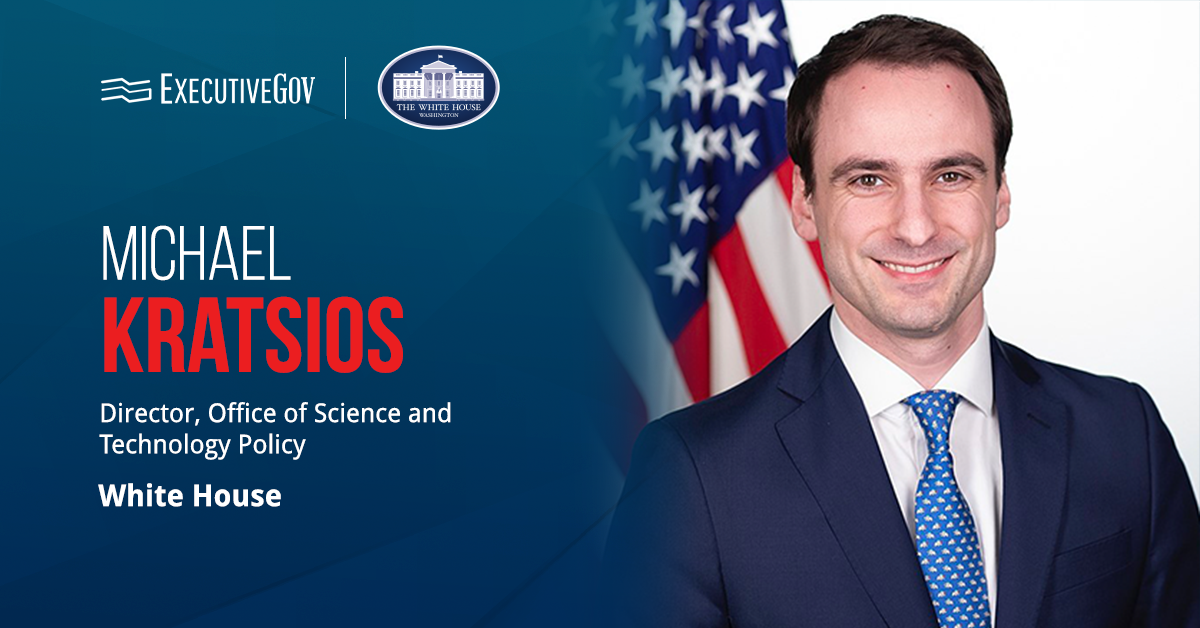
“By backing a new generation of independent research organizations, we are giving entrepreneurial teams of scientists and engineers the autonomy, resources and milestone-driven focus to tackle challenges that were difficult to pursue in conventional academic and industry labs, opening brand new lines of inquiry,” said White House Office of Science and Technology Policy Director Michael Kratsios, a two-time Wash100 Award recipient. “This is how we build the scientific institutions of the 21st century and secure our technological leadership for decades to come.”
Initial Phase 0 awards will last approximately nine to 12 months and focus on organizational formation, governance planning, milestone development and technical road mapping. Teams advancing to Phase 1 would then receive 24- to 36-month awards to execute their core missions on a larger scale.
The solicitation will remain open through May 2028.