
The Department of Energy has demonstrated how artificial intelligence could significantly reduce the time required to prepare nuclear reactor licensing documents, completing a process that typically takes weeks in just one day.
DOE said Thursday it worked with Idaho National Laboratory, Argonne National Laboratory, Microsoft and Everstar. The team tested an AI-driven approach to convert a safety analysis document into content aligned with Nuclear Regulatory Commission licensing requirements for advanced reactors.
Dive into the latest ways the federal government is using AI with engineering at the Potomac Officers Club's 2026 Cyber Summit on May 21!
How Does the AI Tool Improve Licensing?
The team used Everstar’s Gordian AI platform, built on Microsoft Azure, to convert a Preliminary Documented Safety Analysis for a high-temperature gas reactor into sections equivalent to an NRC license application.
The AI-generated output included a 208-page draft and identified gaps and missing information needed to complete a full NRC license application.
DOE said Gordian is designed for nuclear-grade technical work, using engineering and physics-based models to ensure outputs are computed and verified rather than inferred.
What Role Does AI Play in Nuclear Deployment?
The effort demonstrates how AI could help accelerate nuclear energy deployment without replacing human expertise.
“Now is the time to move boldly on AI-accelerated nuclear energy deployment,” said Rian Bahran, deputy assistant secretary for nuclear reactors. “It has the potential to transform how industry prepares its regulatory submissions and deploys nuclear energy while upholding the highest standards of safety and compliance.”
The approach follows a model in which experts design and validate outputs, while AI accelerates document generation and analysis.
How Are Industry Partners Supporting the Effort?
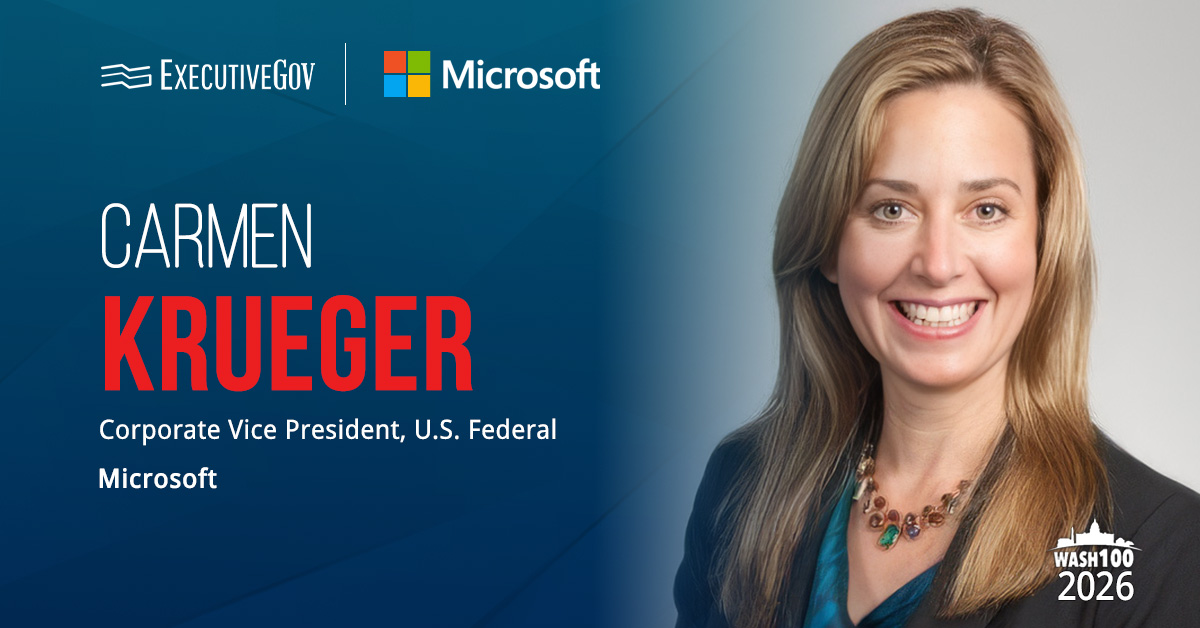
“Our collaborations with DOE, INL and across the industry are demonstrating how we can effectively bring secure, scalable AI technologies to solve key energy challenges. [This will also help] achieve the broader national and economic security goals envisioned by the Department’s Genesis Mission,” said Carmen Krueger, corporate vice president for U.S. federal at Microsoft and a 2026 Wash100 Award recipient.
According to Kevin Kong, CEO and founder of Everstar, nuclear power is ready to address pressing energy demands. “We’re excited to partner with INL to meet the moment, working together to accelerate regulatory review and commercialization,” Kong added.
What Comes Next?
DOE and its partners plan to further validate the approach by benchmarking AI-generated documents against NRC standards and expanding applications across the nuclear value chain.
The effort is part of the department’s broader Genesis Mission, which aims to accelerate scientific innovation using AI. DOE recently announced $293 million in funding to support related initiatives, including efforts to speed nuclear energy deployment.