The National Science Foundation has announced an investment of up to $100 million to establish the National Quantum and Nanotechnology Infrastructure, or NQNI, program, which aims to provide students, researchers and industry with resources to drive innovation.
The agency said Friday that the NQNI program will support up to 16 sites, creating a network of open-access facilities for research related to quantum information science and engineering, nanotechnology, semiconductors, biotechnology, advanced manufacturing, and other critical technologies.
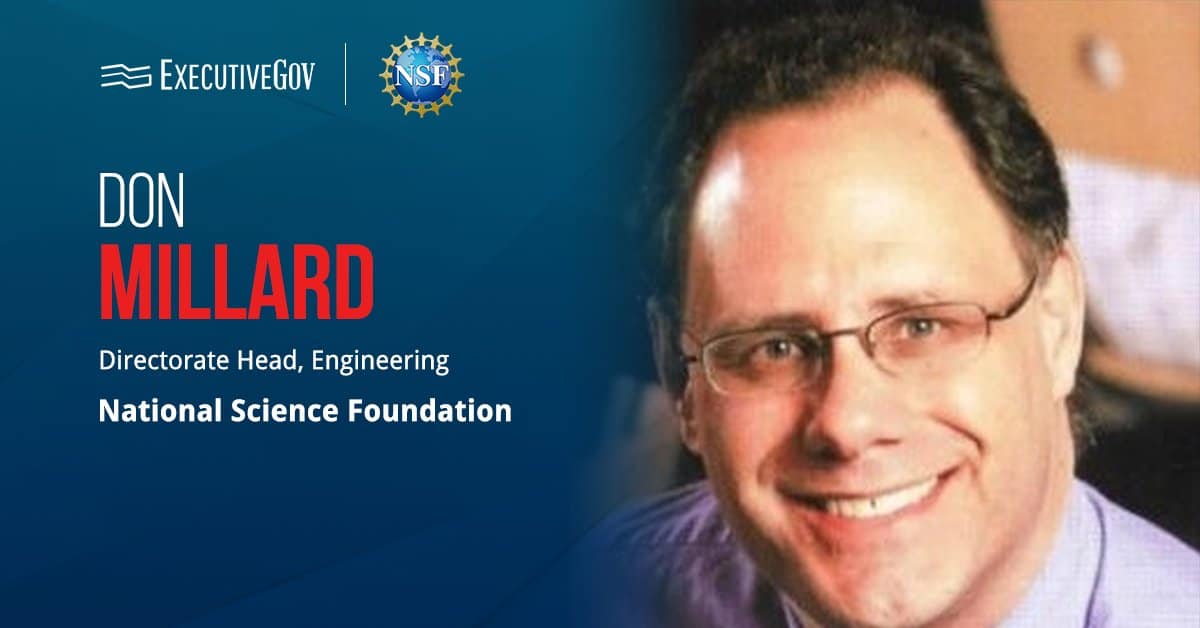
“This NSF investment in research facilities will power U.S. discovery in quantum and nanotechnologies to fuel our economy,” Don Millard, head of engineering at NSF, stated. “With facilities open to students, faculty and small businesses, NQNI will enable transformative ideas to be explored, scaled, and translated.”
How Will NSF Select NQNI Program Sites?
In line with the funding announcement, NSF is requesting organizations to submit a letter of intent to participate in a planned network of university user facility sites. According to the agency, user facility sites will be selected based on technical capabilities and instrumentation.
The program emphasizes a regional network model that promotes partnerships with other universities, non-profit organizations and industry. Each site is also encouraged to establish formal partnerships with community or technical colleges for education initiatives and workforce development.
NQNI sites will receive $500,000 to $2,000,000 every year for up to five years.
NSF will also select a site to serve as the NQNI Coordinating Office, which will coordinate activities and develop strategic and operational plans across the network of user facility sites. The Coordinating Office will receive an additional $700,000 per year.
Letters of intent are due March 16. Proposals may be submitted until May 14.
How Is NSF Supporting Quantum Research Beyond NQNI?
Beyond the NQNI program, NSF is investing in additional efforts to accelerate quantum research and commercialization.
In September 2025, NSF selected four teams to receive a combined $4 million under the Foundation National Quantum Virtual Laboratory, or NQVL, initiative. The program is designed to expand researcher access to quantum hardware and software.
NSF is also advancing quantum innovation through the Regional Innovation Engines program, authorized under the CHIPS and Science Act of 2022. In July 2025, Quantum Connected, a Chicago-based coalition that includes the Chicago Quantum Exchange, advanced to the semifinal round of the competition.