The Office of the Director of National Intelligence has warned that missile and cyber threats to the United States are accelerating, posing serious risks to the homeland.
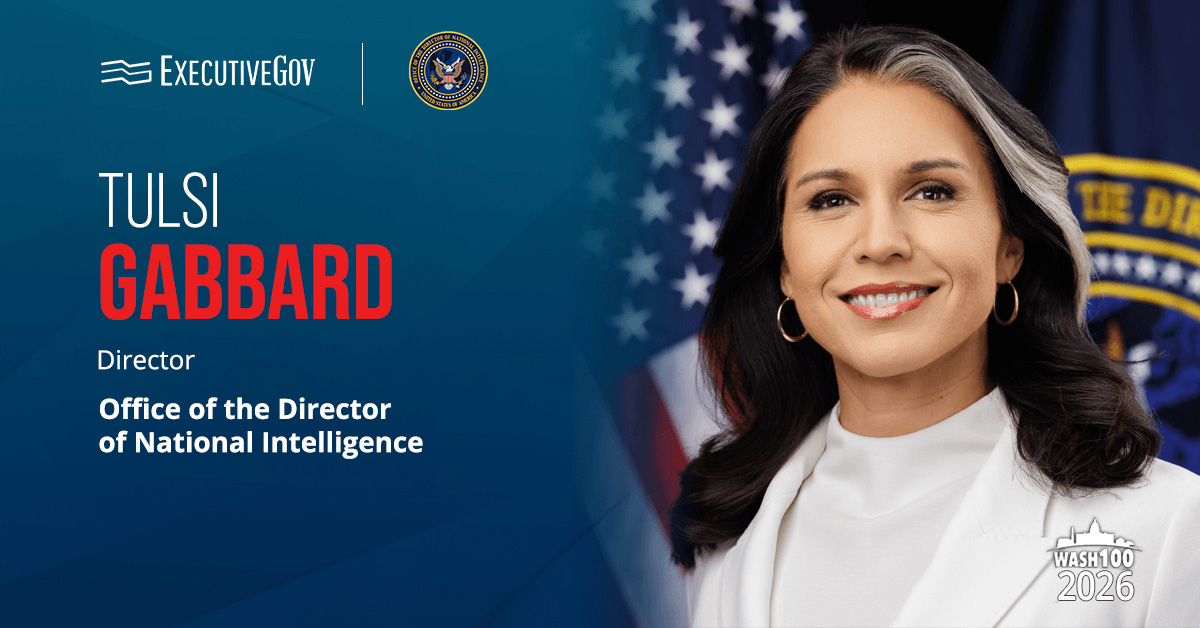
Tulsi Gabbard, director of national intelligence and a 2026 Wash100 awardee, presented the 2026 Annual Threat Assessment to the Senate Select Committee on Intelligence on Wednesday, outlining key risks identified by the intelligence community.

Join government and industry leaders as they discuss how to combat rising cyberthreats at the Potomac Officers Club’s 2026 Cyber Summit on May 21. The event will feature panels on applying automation and AI in cyber defense and the threat that advancing quantum computing pose on sensitive data. Get your tickets today.
How Are Missile Threats Evolving Worldwide?
According to ODNI, Russia, China, North Korea and Pakistan are developing advanced missile systems capable of reaching the U.S. homeland. China and Russia, in particular, are building delivery systems that can bypass missile defenses, while North Korea has already demonstrated intercontinental ballistic missiles that can reach the U.S. Pakistan’s long-range ballistic missile program may also include ICBMs capable of striking the U.S.
Iran’s remaining missile capability will be determined as the full impact of Operation Epic Fury is assessed.
The total number of missiles threatening the U.S. could grow from more than 3,000 today to over 16,000 by 2035, according to the IC assessment.
“These nations will likely seek to understand US plans for advanced missile defense for the Homeland, probably for the purpose of shaping their own missile development programs and assessing US intentions regarding deterrence,” Gabbard told legislators.
What Are the Risks the US Is Facing in the Cyber Domain?
The report also underscores the growing intensity of cyber threats from both nation-states and nonstate actors. China and Russia remain the most persistent cyber adversaries, but Iran and North Korea continue to pose a threat.
Innovations in artificial intelligence and quantum computers are expected to further accelerate cyber operations. Gabbard noted that cyber actors used AI to carry out data-extortion operations against international government, healthcare and emergency services sectors and religious institutions in 2025. Meanwhile, quantum computing advancements could eventually enable adversaries to break current encryption methods used to protect sensitive government finance and healthcare data.