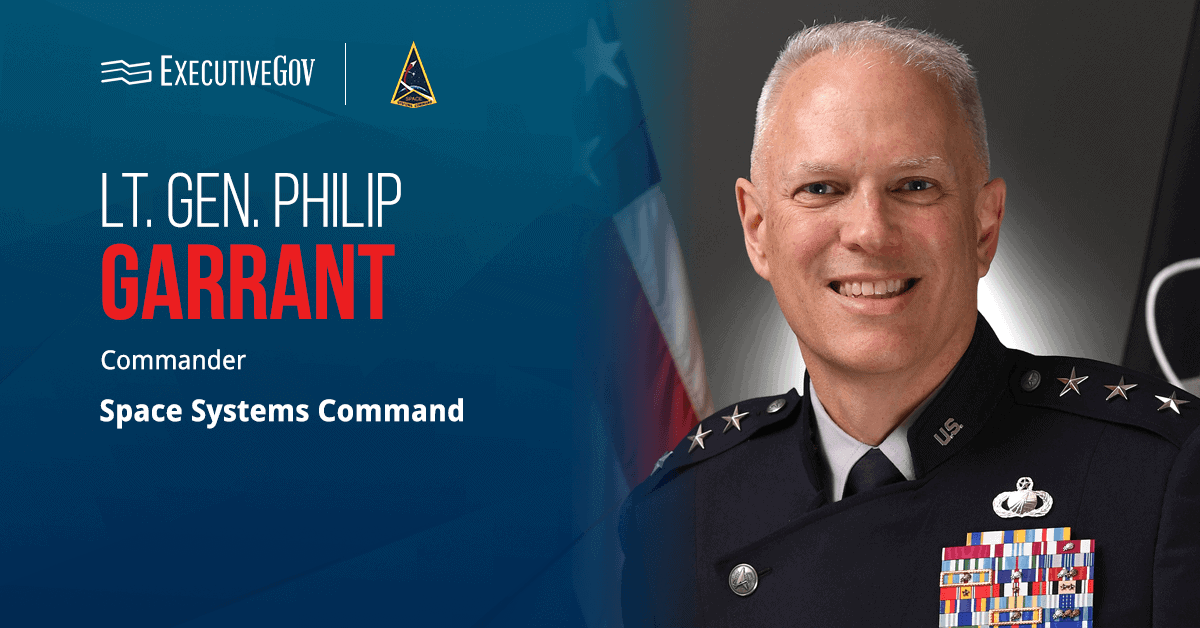
Lt. Gen. Philip Garrant, the head of the U.S. Space Force’s Space Systems Command, has shared 2026 commitments and updates to the SSC command plan during his keynote at the AFCEA’s annual Space Industry Days on Thursday.
What Are the Changes to the SSC Command Plan?
According to the official, the updated version of the command plan includes revisions that present “a clearer path forward.” Published in late 2024, the initial version of the command plan outlined organizational improvements and provided three guiding tenets for the SSC.

The Potomac Officers Club’s 2026 Air and Space Summit on July 30 will bring together leaders from the Space Force and the defense industrial base to discuss the new capabilities and strategies employed that ensure American warfighters stay ahead of adversaries. Get your tickets today.
The new version of the document consolidates tenets to place a stronger focus on the first tenet: delivering lethal, combat-ready and resilient space capabilities to warfighters.
It also updates language on the workforce and lines of effort, or LOE. Specifically, the new command plan adds the implementation of the SD structure within the modernized command structure and expands the workforce development strategy for the “SSC Warfighters.”
“Our Command will be challenged more than ever over the next two years, so we must train harder, deliver faster, operate with more tenacity, and field military space capability more effectively than ever before,” Garrant stated.
What Are SSC’s 2026 Commitments?
SSC’s 2026 commitments include improving partnerships and transparency, establishing a deliberate planning process to ensure Guardian readiness, and reforming its acquisition practices.
Garrant shared that the commitments were developed based on gaps that the command identified through its self-evaluation and its mission to meet future requirements of the joint force, the nation and allies.