The Department of Health and Human Services announced that nearly 500 million health records have been exchanged through the Trusted Exchange Framework and Common Agreement, or TEFCA, up from the 10 million records reported in January 2025.

Register now for the Potomac Officers Club’s 2026 Artificial Intelligence Summit on March 18 to gain insights on how AI is being operationalized across government and defense.
HHS said Wednesday the announcement was made by Assistant Secretary for Technology Policy and National Coordinator for Health IT Thomas Keane during the 2026 Annual Meeting of the Office of the Assistant Secretary for Technology Policy and Office of the National Coordinator for Health IT, or ASTP/ONC.
What Does the Increase in Exchanged Health Records Mean?
Keane noted that the increase in exchanged health records reflects continued progress in advancing health data liquidity, enabling information to flow securely and efficiently across the healthcare system while safeguarding patient access.
What Oversight & Regulatory Actions Are Underway?
HHS has initiated its first oversight actions related to information blocking, issuing notices to certain certified health IT developers over compliance and API requirements. The agency also projected more than $19 billion in administrative savings over 10 years from new electronic prior authorization and real-time prescription benefit rules.
How Is HHS Targeting Cost and Regulatory Burden?
The department finalized the Health Data, Technology and Interoperability: Electronic Prescribing, Real-Time Prescription Benefit and Electronic Prior Authorization, or HTI-4, rule, establishing standards for electronic prior authorization and real-time prescription benefit tools. ASTP/ONC also proposed the HTI-5 rule to streamline certification requirements, with projected savings of $1.53 billion for developers.
What Role Does AI Play in the Strategy?
HHS issued a department-wide AI request for information and a diagnostic imaging RFI to support clinical AI deployment. ASTP/ONC also plans to launch the EHIgnite Challenge, a prize competition focused on applying AI to enhance the usability of electronic health information exports.
How Is HHS Working to Strengthen Health Data Interoperability?
ASTP/ONC released draft USCDI v7 with 29 new data elements to boost nationwide interoperability and data exchange. It also partnered with the Substance Abuse and Mental Health Services Administration to launch nine Behavioral Health IT pilot programs across nine states to inform future standards.
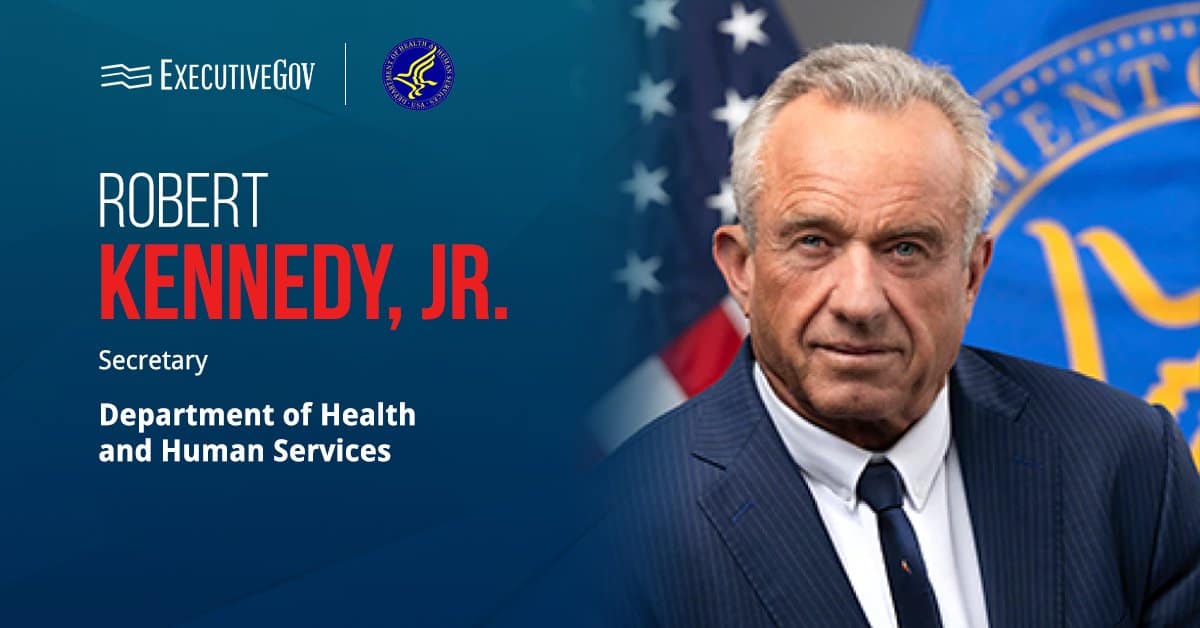
“We are delivering bold, science-driven dietary guidelines and deploying transformative technology that reduces burden, lowers costs, and puts patients and providers first. These actions prioritize prevention and move us decisively to Make America Healthy Again,” said HHS Secretary Robert Kennedy, Jr.