NASA has selected three new lunar science investigations to be delivered to the Moon under the agency’s Commercial Lunar Payload Services, or CLPS, initiative and Artemis campaign. The research payloads will be delivered to the lunar surface by U.S. commercial partners no earlier than 2028, NASA said Tuesday.

Save your seat and join senior U.S. Air Force and Space Force leaders at the Potomac Officers Club’s 2026 Air and Space Summit in July for insights on advanced technologies and strategies shaping the future of air and space.
What Are NASA’s New Science Investigations?
NASA’s newly selected instruments, chosen through the Payloads and Research Investigations on the Surface of the Moon, or PRISM, call for proposals, include:
Emission Imager for Lunar Infrared Analysis in 3D, or EMILIA-3D
EMILIA-3D will create 3D thermal maps of the lunar surface using a thermal imager and visible-light imaging. The data will help enhance navigation and understanding of how temperature relates to lunar soil properties.
Lunar Instrumentation for Subsurface Thermal Exploration With Rapidity, or LISTER
LISTER will drill below the Moon’s surface to measure heat flow, temperature changes and thermal conductivity. These measurements will provide insight into the Moon’s internal heat and thermal history.
Site-agnostic Energetic Lunar Ion & Neutron Environment, or SELINE
SELINE will analyze the Moon’s radiation environment by measuring cosmic rays and their interactions with lunar soil or regolith. The results will support space weather research and help enhance safety planning for human exploration.
What Is NASA’s Commercial Lunar Payload Services Initiative?
NASA’s CLPS program supports rapid and repeated lunar surface access while promoting the development of a sustainable commercial lunar landing marketplace. In 2025, the program delivered the Next Generation Lunar Retroreflector and the radiation-tolerant RadPC computer. The agency also issued a request for information in January for the CLPS 2.0 contract, a follow-on to NASA’s existing agreements.
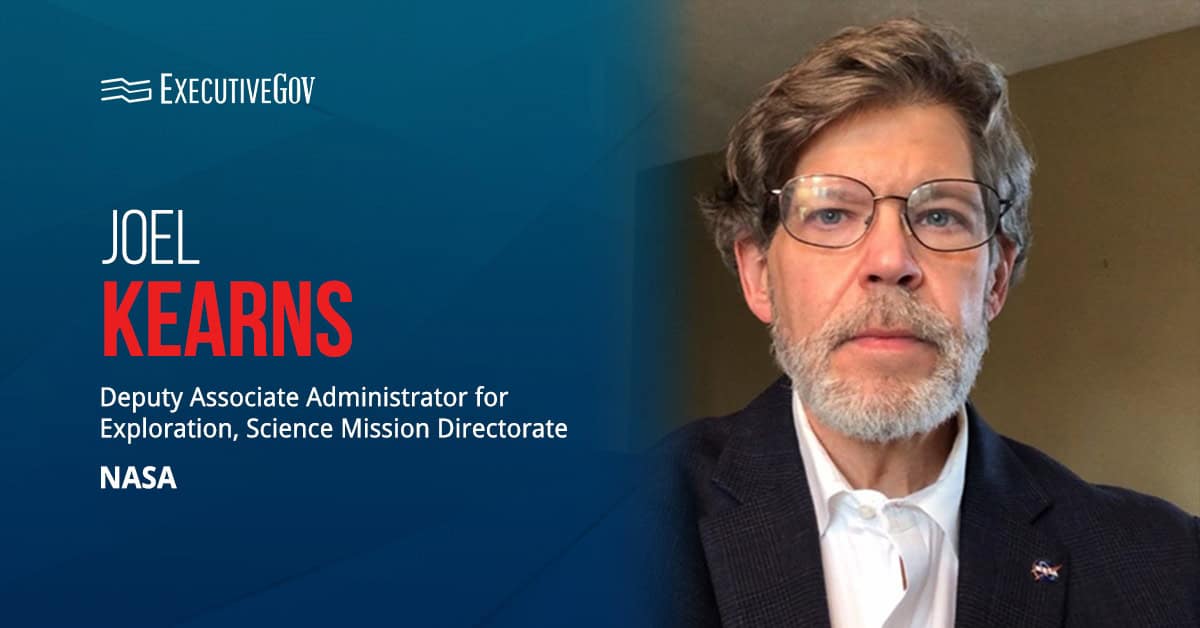
“With CLPS, NASA has been taking a new approach to lunar science, relying on U.S. industry innovation to travel to the surface of the Moon and enable scientific discovery,” said Joel Kearns, deputy associate administrator for exploration of the science mission directorate at NASA. “These selections continue this pipeline of lunar exploration, through research that will not only expand our knowledge about the Moon’s history and environment, but also inform future human safety and navigation on the Moon and beyond.”