The U.S. Patent and Trademark Office has announced the Standards Participation and Representation Kudos—or SPARK—Pilot Program, a new initiative aimed at expanding participation in standards development organizations, a.k.a. SDOs, by small and medium-sized businesses, universities and nonprofit organizations.
The SPARK program is the first initiative of the Standard-Essential Patent Working Group, following its Dec. 25 launch, USPTO said Wednesday.
What Is the SPARK Pilot Program?
The SPARK pilot program is designed to encourage broader U.S. participation in SDOs by offering a limited number of acceleration certificates to qualifying entities that make substantive technical contributions or otherwise play an active role in the standards-setting process.
The certificates can be used to speed up the review of patent applications or appeals before the Patent Trial and Appeal Board, helping participants recoup some of the time and resources committed to standards work.
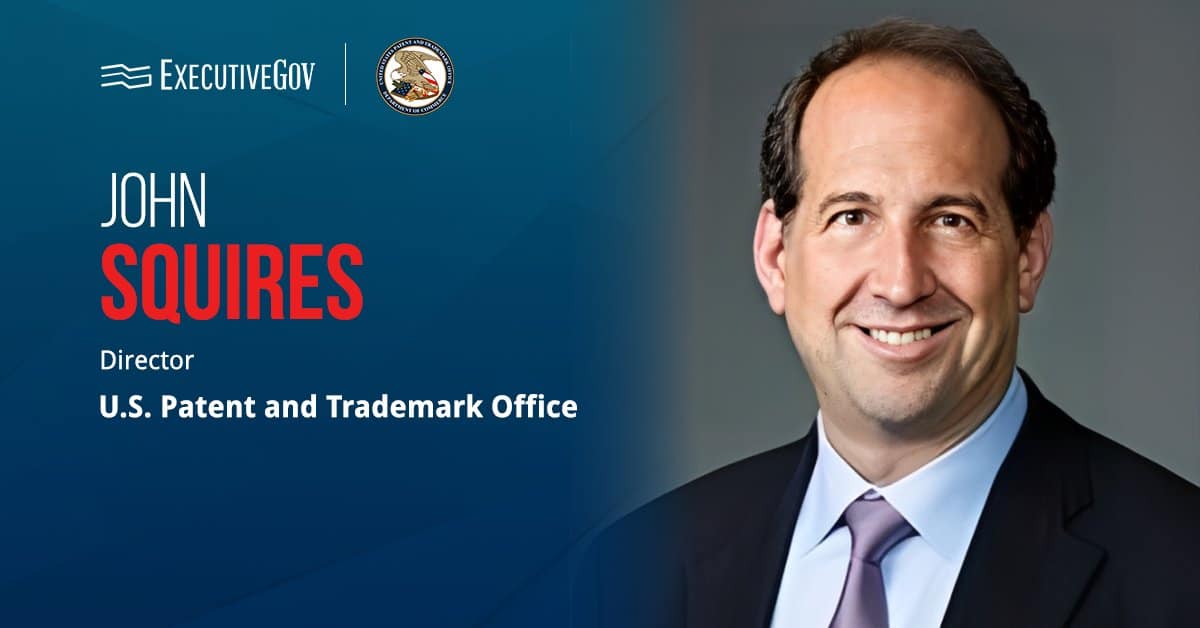
“The SPARK program recognizes that small and medium-sized businesses, universities, and non-profits bring critical expertise and innovative thinking to standards development, but often lack the resources of larger enterprises to sustain participation. By offering meaningful incentives here at the USPTO, we’re continuing to invest in broader and more robust U.S. representation in the very forums where tomorrow’s technologies are taking shape today,” said John Squires, under secretary of commerce for intellectual property and director of the USPTO.
What Is the Challenge With Technical Standards?
Technical standards underpin progress in areas including artificial intelligence, cybersecurity, telecommunications and manufacturing, but many smaller U.S. organizations lack the resources to consistently be involved in standards bodies, even though decisions made there can directly affect market access and competitive positioning.