The U.S. Coast Guard has unveiled its Force Design 2028 Initial Update, which documents reforms implemented starting January 2025 and the significant, quantifiable impacts on operations, workforce readiness and capability delivery.
How Has Coast Guard Force Design 2028 Affected Operations?
According to a Coast Guard press release published Jan. 15, the update shows the service is now better equipped to protect U.S. maritime approaches, support border operations, sustain commerce and respond to emerging threats.
The Coast Guard has strengthened its counter-drug and law enforcement operations, seizing more than 510,000 pounds of cocaine in fiscal year 2025, rescuing nearly 5,000 people at sea, and ensuring the safe transit of 1.8 billion tons of cargo. These efforts generated $10 billion in government savings, including over $2.27 billion in avoided healthcare costs that would have been incurred had the cocaine not been intercepted.
The Coast Guard also surpassed its active-duty enlisted recruiting target, adding over 5,200 new members. In addition, the service exceeded its Reserve enlisted recruiting goal and met its active-duty officer recruiting target.
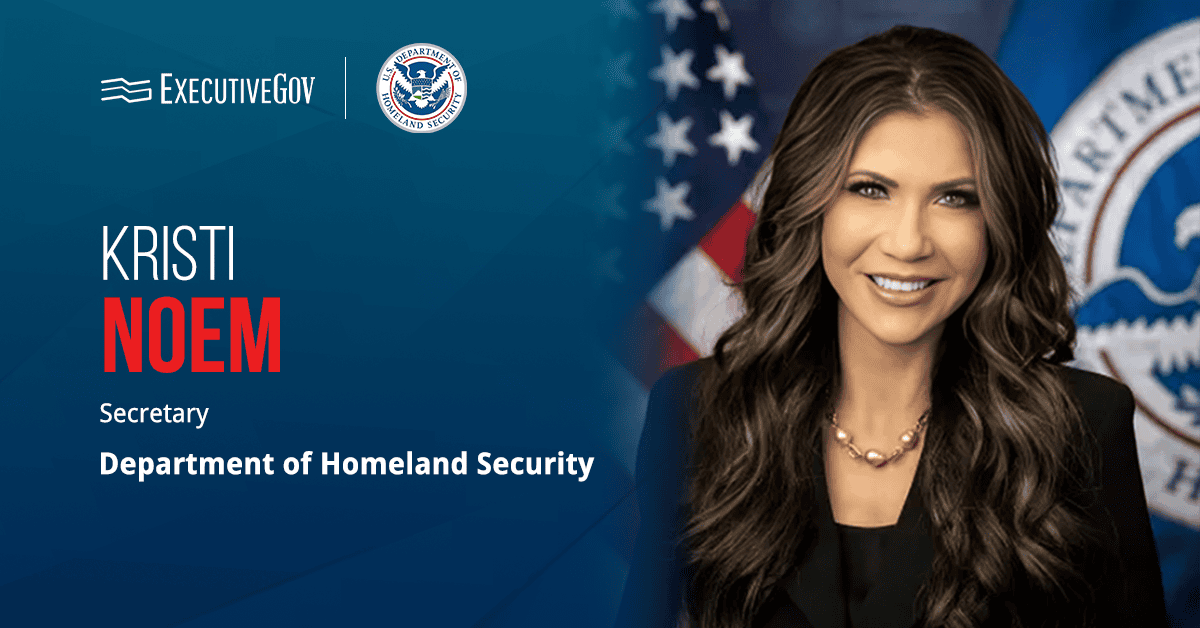
“Through the implementation of Force Design 2028, the extraordinary return on investment—the value the Coast Guard provides to our Nation—is poised to grow even further,” said Kristi Noem, secretary of the Department of Homeland Security and 2025 Wash100 Award winner.
What Reforms Were Implemented?
Force Design 2028 introduced new leadership roles and program executive offices while eliminating 14 flag officer positions to streamline decision-making. The Coast Guard also established the Rapid Response Prototype Team to accelerate technology delivery, including the rapid deployment of unmanned systems to support border security operations.
“As we deliver the first update on Force Design 2028, the Coast Guard is already a stronger, more agile, capable, and responsive fighting force,” said Adm. Kevin Lunday, commandant of the Coast Guard, who oversees the Force Design 2028 implementation. “The Service is better positioned than it was in January 2025 to effectively control, secure, and defend the U.S. borders and maritime approaches, facilitate the uninterrupted flow of commerce, and rapidly respond to contingencies.”
What Comes Next?
The Coast Guard will continue to enhance maritime domain awareness, grow its ranks by 15,000 personnel and expand training capacity to meet rising mission demands and support new assets. The service also plans to accelerate the acquisition of commercially available capabilities.