
A SpaceX Falcon 9 rocket has launched 21 Lockheed Martin-built satellites into low Earth orbit, marking the second deployment for the Space Development Agency’s Transport Layer, a mesh network designed to expand
More
Processing....

A SpaceX Falcon 9 rocket has launched 21 Lockheed Martin-built satellites into low Earth orbit, marking the second deployment for the Space Development Agency’s Transport Layer, a mesh network designed to expand
More
The Department of the Air Force has issued a record of decision approving changes to the Falcon Launch Program at Vandenberg Space Force Base in California. The U.S. Space Force said Friday the
More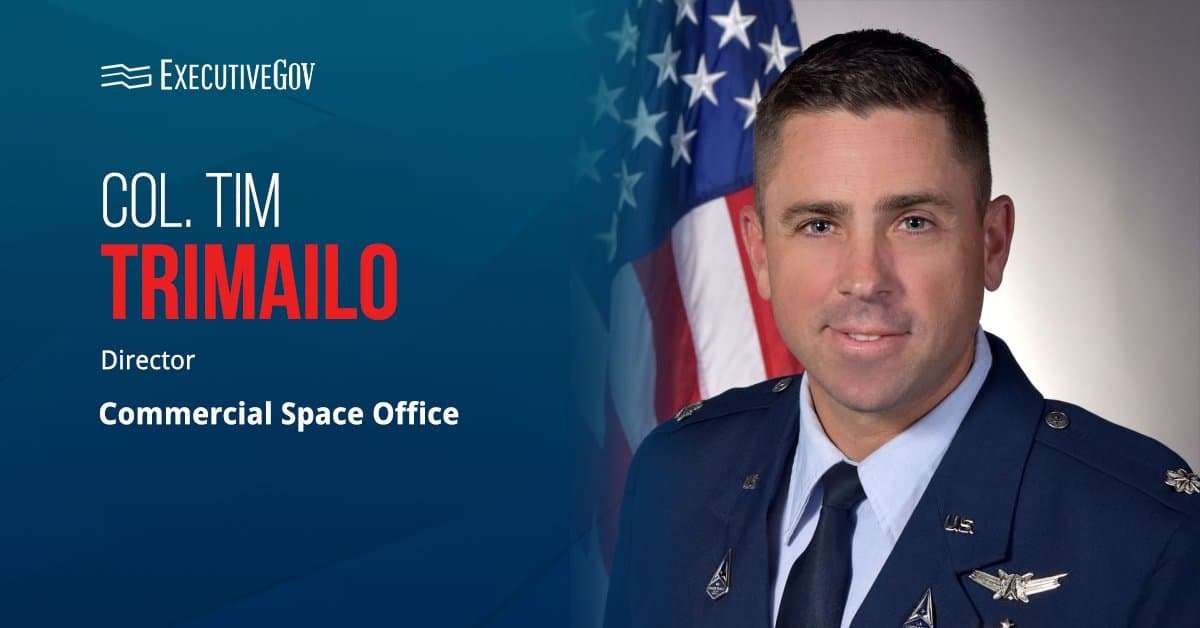
The U.S. Space Force has introduced a working capital fund for the purchase of satellite communications services and other commercial space offerings, SpaceNews reported Wednesday. Col. Timothy Trimailo, head of the Space
More
Federal Communications Commission Chairman Brendan Carr has unveiled his “Space Month” agenda, a comprehensive initiative aimed at accelerating regulatory modernization and strengthening U.S. leadership in the global space economy. Speaking at the
More
L3Harris Technologies’ Advanced Tracking and Launch Analysis System, or ATLAS, has achieved operational status. The U.S. Space Force’s Space Operations Command said Tuesday that ATLAS underwent a comprehensive assessment that tested the
More
The National Oceanic and Atmospheric Administration has tapped Raytheon for a mission design and feasibility study on weather imagery capabilities under its Near Earth Orbit Network, or NEON, Stratus project. The company
More
NASA and Sierra Space mutually agreed to revise a previously awarded contract to send supplies to the International Space Station using the Dream Chaser spaceplane and its companion module, Shooting Star. Instead
More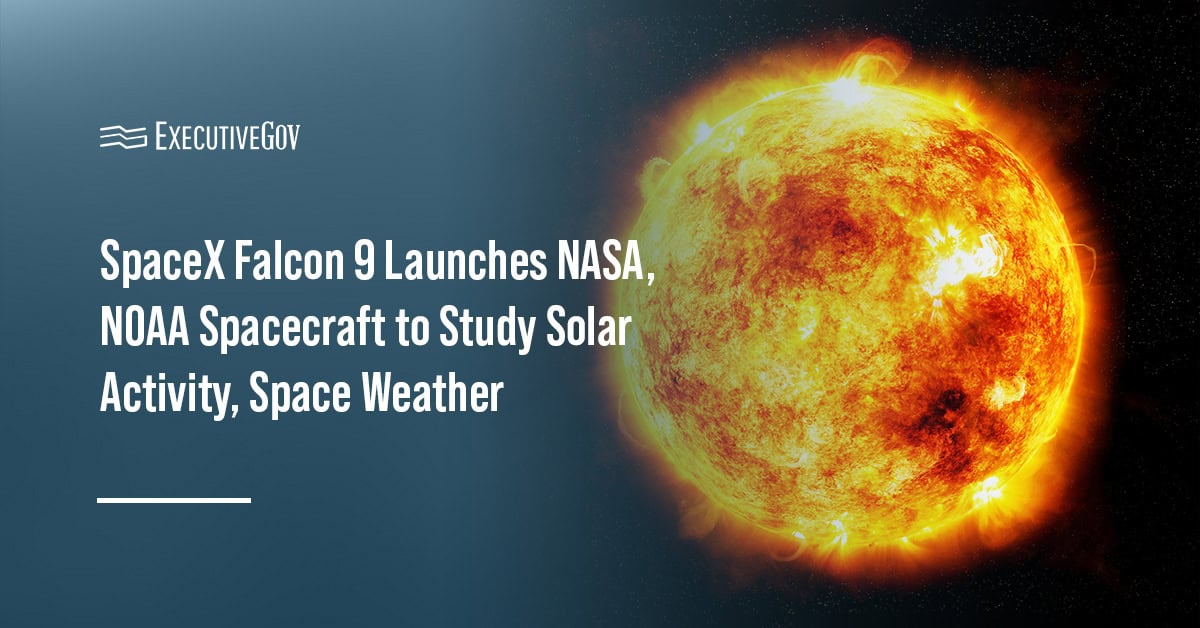
SpaceX’s Falcon 9 rocket has launched three new NASA and National Oceanic and Atmospheric Administration missions to investigate the impact of the sun’s activity across the solar system. On Wednesday, the Falcon
More
Gen. Chance Saltzman, chief of space operations of the U.S. Space Force and a Wash100 Award winner, emphasized the need for a new approach to delivering capabilities to maintain superiority in space during his
More
The National Reconnaissance Office, in collaboration with SpaceX and the U.S. Space Force Space Launch Delta 30, has launched the NROL-48 mission from Space Launch Complex-4 East at Vandenberg Space Force Base in California
More