
- The Small Business Administration has unveiled a proposal to simplify its small business size standards
- The plan could increase small business eligibility by 0.3 percent, according to SBA Administrator Kelly Loeffler
- The proposal would also prevent fast-growing small businesses from losing their designation
The Small Business Administration is revising its small business size standards, aiming to simplify the system the federal government uses to determine which companies qualify as “small” and to open the door wider for firms seeking federal contracting, lending and counseling support. The agency announced the news Thursday.
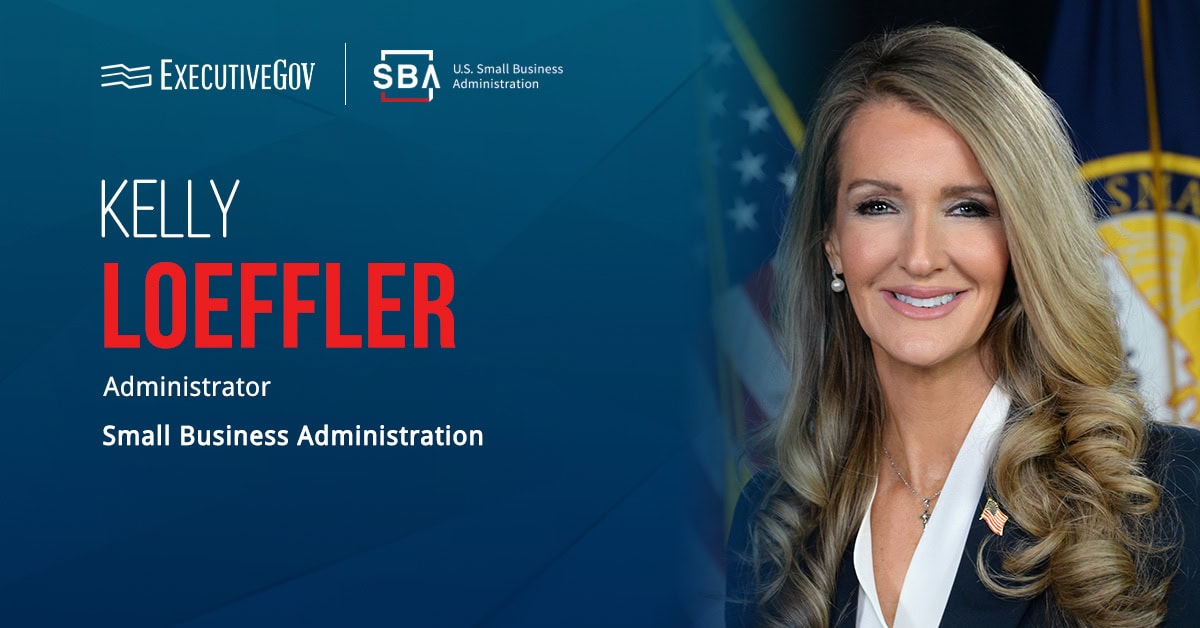
“Small businesses create the vast majority of new jobs. This proposal ensures that these job creators have the regulatory certainty to scale, expanding small business eligibility by 0.3%, or over 110,000 firms. By streamlining definitions, the SBA will expand access capital, counseling, and contracting opportunities, which in turn create jobs and drive growth,” said SBA Administrator Kelly Loeffler, a 2026 Wash100 Award winner.
How Will the SBA Change Small Business Size Standards?
Federal law requires the SBA to revisit its size standards every five years, but the agency is describing this round of changes as a historic departure from past practice. Rather than maintaining hundreds of narrow classifications tied to individual six-digit North American Industry Classification System codes, the proposal would shift toward a broader, market-based approach built around four-digit industry groupings. That change alone would cut the number of distinct size standard categories by an estimated 65 percent, from nearly 1,000 down to 338.
Among the rule’s other notable provisions, the SBA said it would introduce regional market considerations into its size determinations, adjusting thresholds to better reflect how competitive conditions can vary from one local economy to another rather than relying solely on nationwide benchmarks.
What Are the Potential Benefits of the Revision to Small Businesses?
Beyond simplification, the rule would raise numerous size thresholds outright, allowing fast-growing enterprises to retain their small business designation longer. The SBA said the higher thresholds are meant to prevent successful small businesses, particularly those in critical infrastructure sectors, from being pushed out of small business programs prematurely simply because they expanded.
The SBA projects that the population of employer firms, specifically businesses with at least one employee beyond the owner, would grow by about 1.8 percent. The agency estimates the changes would extend eligibility to more than 110,000 additional firms, building on a small business population that already numbers roughly 36 million nationwide.
The proposal now enters a public comment period as part of the standard rulemaking process before the SBA finalizes any changes to its size standards.