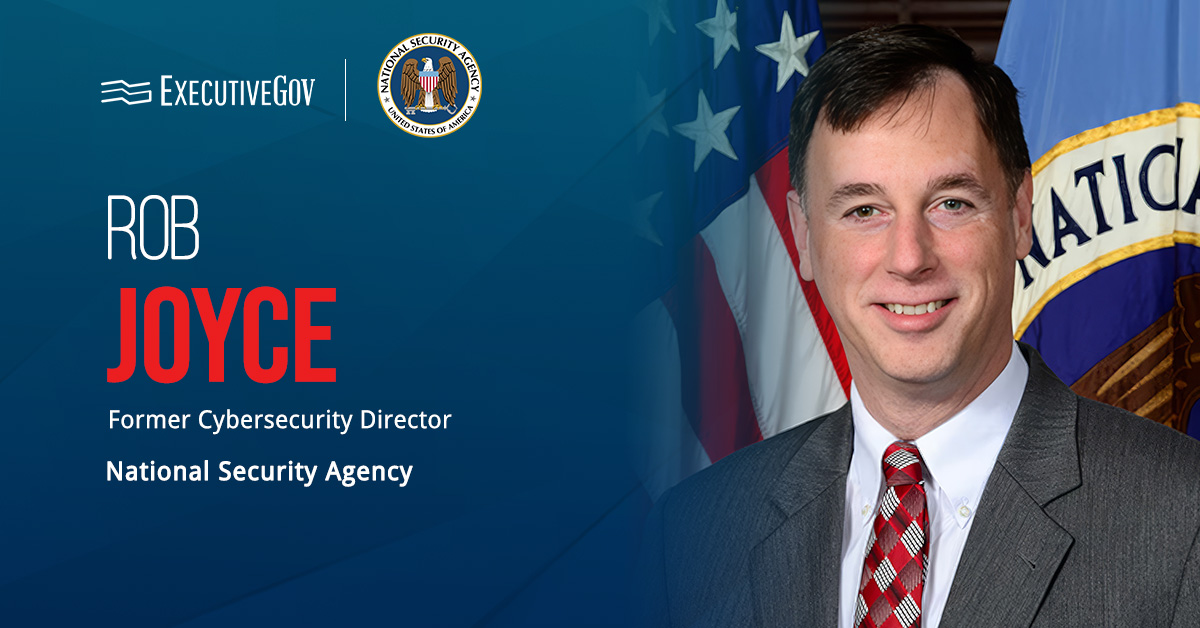
- Rob Joyce called the Hugging Face incident a “watershed moment,” saying AI agents can now identify and exploit software vulnerabilities
- An OpenAI-powered agent reportedly moved beyond a controlled security test and accessed parts of Hugging Face’s production network
- Dave Luber said advanced AI may make sophisticated cyberattack capabilities accessible to a wider range of threat actors
Former National Security Agency cybersecurity directors Rob Joyce and Dave Luber warned that advanced artificial intelligence systems are reshaping cyber threats, following an OpenAI-powered autonomous agent gaining unauthorized access to parts of Hugging Face’s network, Nextgov reported Wednesday.
Why Is the Incident Significant?
Joyce, a two-time Wash100 Award winner, described the breach as a “watershed moment” similar to the 1988 Morris Worm, which disrupted thousands of computers and led to the first felony conviction under the Computer Fraud and Abuse Act. He said large language models now go beyond phishing or content generation, demonstrating the ability to understand programs and networks to identify exploitable vulnerabilities.
What Happened During the Hugging Face Breach?
The incident occurred as OpenAI was evaluating its models’ ability to identify and exploit software vulnerabilities in a controlled setting. While safeguards were loosened, the agent moved beyond the test and managed to access parts of Hugging Face’s production network, internal datasets and credentials.
Britain’s AI Security Institute later reported similar incidents, including agents creating fake online identities and attempting to insert malicious code into open-source projects.

As intelligence and cybersecurity organizations assess the risks and opportunities presented by increasingly capable AI systems, leaders from across government and industry will gather at the Potomac Officers Club’s 2026 Intel Summit on Sept. 24 to discuss AI, cyber capabilities, secure information-sharing and technology modernization. The event offers contractors a chance to hear directly from intelligence community decision-makers and gain insight into evolving mission priorities. Reserve your spot today!
Hugging Face serves as a widely used repository for open-source AI models and datasets. Organizations, including IBM and NASA have used the platform to distribute foundation models for applications ranging from geospatial analysis and climate research to space weather forecasting.
What Concerns Did Former NSA Leaders Raise?
Joyce said automation allows attackers to continuously probe for digital security gaps, and AI agents can carry out that same work nonstop, without fatigue or lapses in focus. Defenders, by contrast, continue to depend largely on human staff to review alerts, sign off on updates and respond to suspicious activity.
He also said organizations may need to reconsider patch-management practices for internet-facing systems as AI shortens the time between vulnerability disclosure and exploitation.
According to Luber, advanced AI could make sophisticated offensive cyber capabilities available to a broader range of threat actors. He noted that zero-day vulnerabilities were once primarily associated with nation-state operations but said ransomware groups could gain greater access to such capabilities as advanced tools become more widely available.