
- Delve into part one of our ongoing series on federal CIOs and how they’re driving technology modernization in the government
- Learn more about the backgrounds and achievements of top CIOs including Kirsten Davies, a Wash100 awardee from the DOW, Sean Gallagher from NASA, and more
- Get the latest federal technology modernization business opportunities at the Potomac Officers Club’s 2026 Digital Transformation Summit on April 22!
Federal chief information officers are the focal points of how agencies modernize technology, protect data and deliver digital services. They shape the IT roadmap for their agencies and oversee billions of dollars in technology spending.
These skilled technology professionals guide decisions on key emerging technologies including:
- Cloud adoption and migration
- Cybersecurity
- Artificial intelligence
- Data governance
Why Are Federal CIOs Impactful?
Federal CIOs are impactful because their priorities often become agency-wide initiatives and directly translate into future contracting opportunities and technology requirements. Better understanding a CIO’s background and vision can help vendors align solutions with an agency’s future procurement priorities.
In part one of a new series, we explore the diverse backgrounds of these federal CIOs and learn how they’re advancing how public officials leverage emerging technologies to provide government services faster, more efficiently and at lower costs.
Dig into federal technology modernization priorities at the Potomac Officers Club’s 2026 Digital Transformation Summit on April 22! Hear directory from leading federal officials like Daniel Hettema, Office of the Under Secretary of War for Research and Engineering director of digital engineering, modeling and simulation during an illuminating panel discussion on Mission Engineering at Scale: The Digital Backbone of Defense Modernization. Secure your seat today!
Who Are Leading Federal CIOs?

Kirsten Davies
Department of War
Kirsten Davies, a 2026 Wash100 Award winner, has made a fast impression on GovCons since being confirmed as the Pentagon’s CIO in January. She has emphasized a mission-first technological modernization strategy that prioritizes the warfighter and aligns with the National Defense Strategy.
Davies has identified AI, data analytics and advancing the Pentagon’s electromagnetic spectrum advantage as key focus areas. She’s served in technology roles at some of the highest-profile commercial companies, such as Unilever, Estee Launder Companies and Barclays.
Antoine McCord
Department of Homeland Security
Antoine McCord, as DHS CIO, is responsible for an IT budget of about $11 billion. He has nearly 20 years of experience in cybersecurity, intelligence and national security having previously served in the Marine Corps, where he built expertise in intelligence and cyber operations.
McCord also has private sector experience, specifically in defense technology and cybersecurity, where he protected critical assets and encouraged public-private collaborations to increase infrastructure resilience.
David Shive
General Services Administration
David Shive is a technology professional focused on delivering modern technology tools to public servants as quickly as possible. As GSA CIO, a position he has served in since 2015, he provided new business tools to the Public Building Service in just over two weeks by leveraging no-code or low-code applications that allowed for fast platform development.
Shive in 2022 discussed how the CIO Modernization and Enterprise Transformation, or COMET, contract vehicle had grown beyond its introductory application. COMET was initially awarded to 12 contractors in 2019, but became part of the larger GSA business portfolio, including the Public Building Service, because of its positive business outcomes.
Hear from top federal CIOs like these at the Potomac Officers Club’s 2026 Digital Transformation Summit on April 22! Get the latest business opportunities from Pavan Pidugu, Department of Transportation chief digital and information officer (pending confirmation). Network with these leading CIOs. Sign up today!
Sean Gallagher
NASA
Sean Gallagher supervises the delivery of IT products and services to more than 60,000 NASA users located both in the U.S. and abroad. He’s had a long CIO career at the agency, having served as deputy CIO and CIO at NASA Glenn Research Center in Ohio from 2012 to 2022. He became deputy CIO of NASA in Jan 2024 before being promoted to acting CIO.
As CIO at Glenn Research Center, Gallagher directed the facility’s IT initiatives in support of its space, aeronautics, research and engineering, and test efforts. He also managed the center’s IT investments, ensuring that its security and services matched legal and federal requirements.
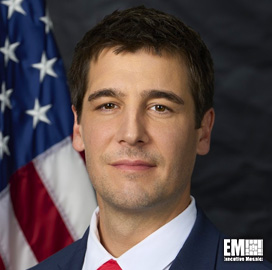
Carter Farmer
Environmental Protection Agency
Carter Farmer is the CIO and deputy assistant administrator at the EPA. He encourages federal agencies to ensure they’re asking the right questions when considering using AI to tackle problems.
Farmer suggested that looking for fast solutions with AI without first investigating the pros and cons of a problem can slow the process down, especially if technology professionals have missed cheaper, and more straightforward, solutions, FedScoop reported in July of last year.
Farmer started as EPA CIO in May of last year. He previously spent four and a half years as the director of IT systems and solutions at the U.S. Institute of Peace.
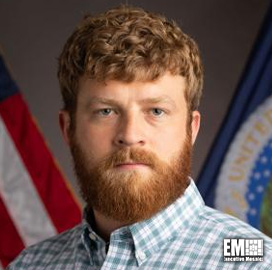
Samuel Berry
Department of Agriculture
Samuel Berry is an entrepreneur with a track record of technology and digital transformation success, with an extensive background in both enterprise and startup environments. As a CEO and founder of software firms, Berry guided the automation of challenging business processes, streamlined enterprise applications and championed secure and efficient cloud infrastructure.
Berry has demonstrated a keen eye for creating solutions from scratch through his work as a founding engineer of several creative service offerings.