- The Flight Dynamics Research Facility is NASA’s first major new wind tunnel in more than 40 years
- It merges two aging tunnels into one 25,000-square-foot building
- The tunnel will handle aircraft, drone and spacecraft testing
NASA has opened a new wind tunnel at its Langley Research Center in Hampton, Virginia. A ribbon-cutting ceremony brought agency leadership, Virginia officials and the General Services Administration to the site of the Flight Dynamics Research Facility, NASA said Friday.
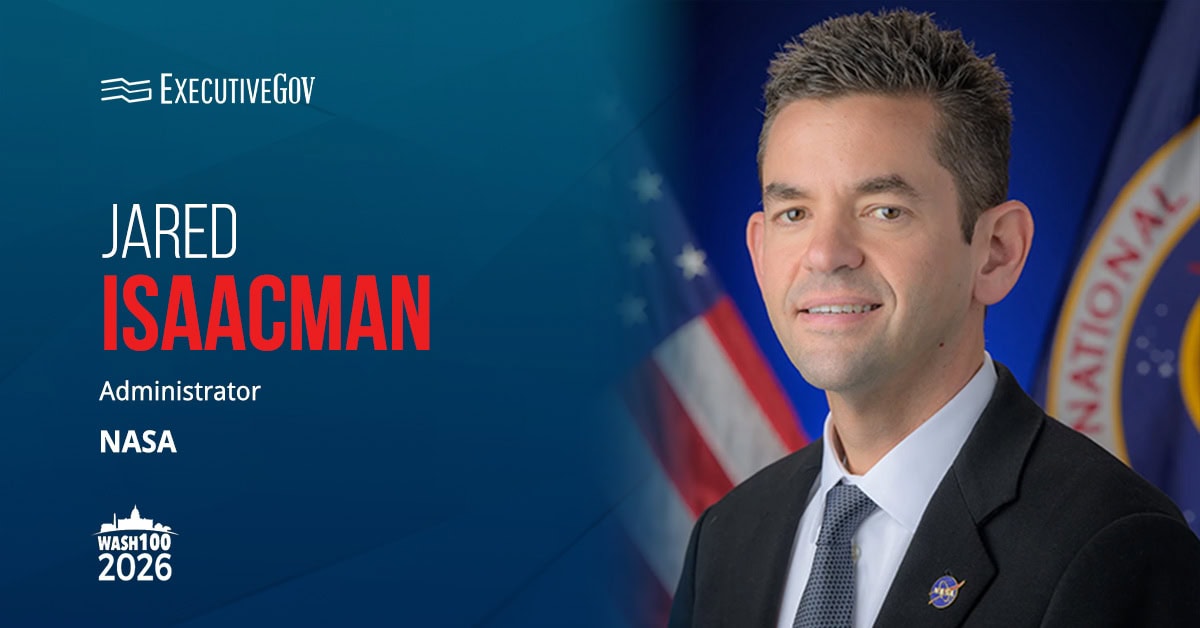
Administrator Jared Isaacman, a 2026 Wash100 Award winner, called it the agency’s first major new wind tunnel in more than four decades.
GSA delivered the building under a long-running partnership with NASA. It is the fourth structure the agency has completed as part of a 20-year effort to rebuild the Langley campus. NASA said the facility takes over from aging infrastructure and trims maintenance costs through a more energy-efficient design.
What Does the New Flight Dynamics Research Facility Replace?
The new Flight Dynamics Research Facility replaces the 20-Foot Vertical Spin Tunnel and the 12-Foot Low-Speed Tunnel. Both sets of capabilities now sit in a single 25,000-square-foot building.
The test chamber measures 20 feet in diameter, wider than either predecessor. NASA said the additional room allows more air to move around a model, improves data accuracy and provides space for larger, more detailed models.
Its top airspeed reaches 117 miles per hour, double that of the older tunnels, opening free-flight testing to heavier models and enabling researchers to simulate full-scale vehicles operating at higher altitudes. Four 750-horsepower motors drive the airflow, each turning a 14-foot fan with eight carbon fiber blades. NASA said the lightweight blades allow quick, precise speed adjustments during free-flight runs.
What Will Be Tested in the New Langley Facility?
The new Langley facility tunnel accommodates both free-flight and mounted testing of scale models built for atmospheric flight, from airplanes to capsules returning from orbit. NASA listed aircraft safety, X-plane development, drone research and spacecraft technology among the applications, and named autonomous flight vehicles alongside commercial and military aircraft as areas of experimental work.
Partners in government, industry and universities will have access to the facility, Isaacman said.
How Does the Langley Facility Fit Artemis?
NASA expects to use the tunnel for Artemis for entry, descent and landing testing as it works toward a sustained lunar presence and a Moon Base, with the aim of lowering mission risk and returning crews safely. The agency also plans to apply it to the design of aircraft for Mars and other destinations where atmospheric flight is possible.
Separately, NASA disclosed Friday that engineers at its Ames Research Center in California tested a 1.2 percent scale model of SpaceX’s Super Heavy Version 3 booster in transonic and supersonic wind tunnels in late 2025. Those runs measured aerodynamic forces the booster would meet during re-entry. Version 3 is expected to underpin the Starship human landing system for Artemis III in 2027.