- NRC has proposed updated licensing rules to support advanced nuclear fuel development
- The proposal includes revised requirements for nuclear materials production, use and security
- The agency plans to hold a public meeting
The Nuclear Regulatory Commission has issued a proposed rule to revise its fuel-cycle and materials licensing framework to accelerate the development of advanced nuclear fuel systems.
What Are the Proposed Changes to Nuclear Fuel Regulations?
NRC said Thursday the proposed rule seeks to modernize requirements governing nuclear materials production, use, storage and security while supporting faster deployment of next-generation nuclear technologies.
According to the agency, the changes are designed to help developers transition from fuel development to commercial operation while maintaining rigorous safety standards. The proposal also aligns with the agency’s regulatory modernization efforts under Executive Order 14300 and builds on the ADVANCE Act to establish a more predictable and technology-inclusive regulatory framework for emerging nuclear systems.
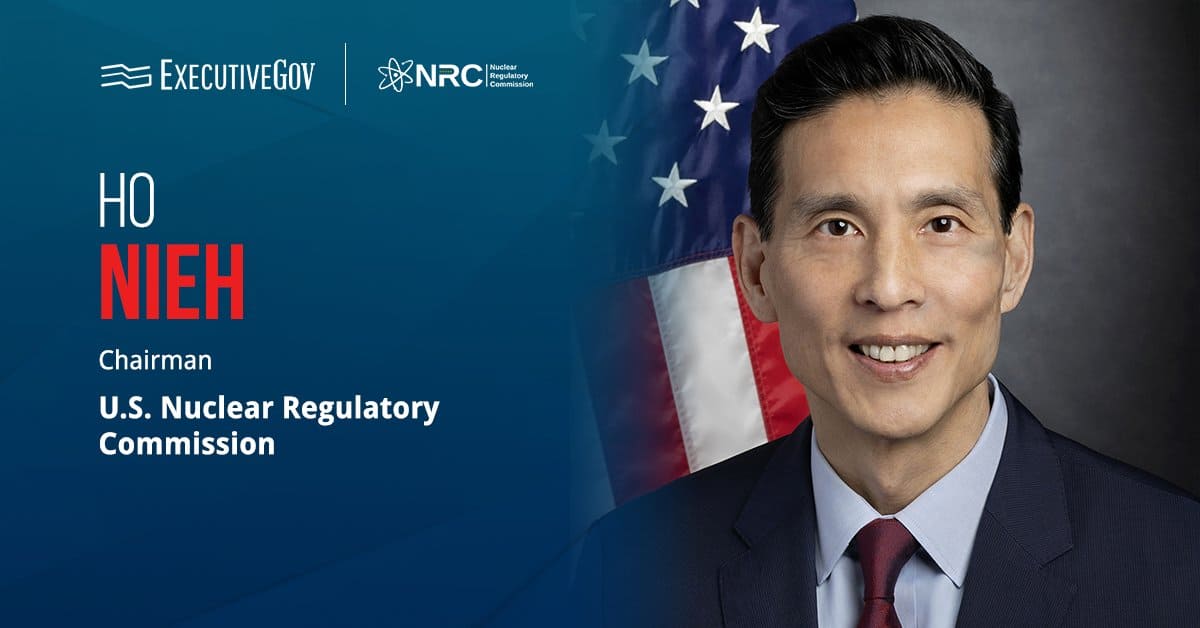
What Did NRC Chairman Ho Nieh Say About the Proposed Rule?
“America is rebuilding the front end of the nuclear fuel cycle at a pace not seen in decades,” NRC Chairman Ho Nieh said. “These proposed rules support American leadership in nuclear energy through safety-focused and efficient licensing.”
What Are NRC’s Efforts With Regard to the Proposed Rule?
NRC plans to host a public meeting on the proposed rule in the near term.
The agency is also seeking public comments on reprocessing facility licensing, pilot fuel line oversight, operator qualification, change-control processes, waste management and other related areas.
How Does the Proposed Rule Align With Government Nuclear Fuel Projects?
NRC’s proposed rule comes amid recent federal and industry efforts to expand advanced nuclear fuel capabilities and modernize the nuclear fuel cycle.
In December, Idaho National Laboratory marked a milestone in the development of a mobile microreactor for the Department of War under Project Pele with the initial delivery of tri-structural isotropic, or TRISO, particle fuel at its Transient Reactor Test Facility. Meanwhile, X-energy launched the first U.S. irradiation tests of its advanced nuclear fuel, TRISO-X, at Idaho National Laboratory’s Advanced Test Reactor.
In October, a bipartisan Senate bill was introduced to advance domestic nuclear fuel recycling research and assess the potential benefits of recycling spent nuclear fuel.