- The National Security Agency is talking to artificial intelligence developers to evaluate AI models on the market
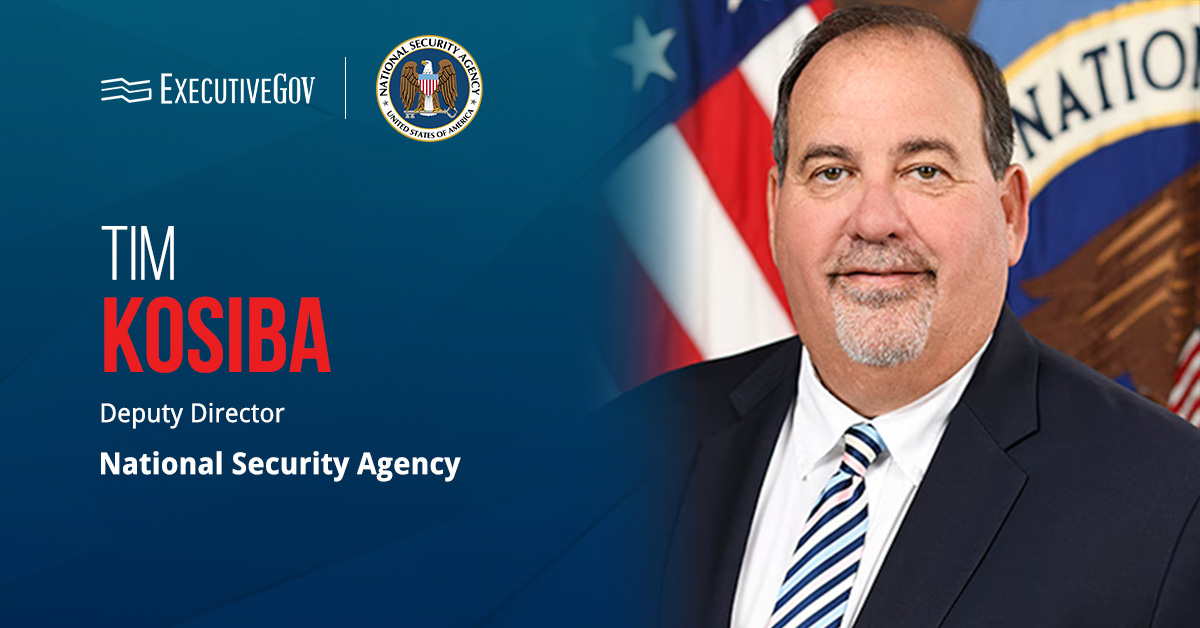
- NSA Deputy Director Tim Kosiba said that the agency wants access to all the AI models
- The strategy aims to speed up the NSA’s acquisition of top-of-the-line AI technologies
The National Security Agency is in active talks with top artificial intelligence developers to gain “access to all the models” on the market, according to Nextgov/FCW.
Speaking Thursday at an event in Bethesda, Maryland, NSA Deputy Director Tim Kosiba said that the NSA has relied on various forms of AI for many years, but the pace of improvement in newer systems is pushing the agency to move more aggressively to acquire and field the technology. He noted that despite the push toward faster AI adoption, human oversight will remain central to ensuring the agency’s use of the technology stays within legal and policy bounds.
“What the models are putting out, how we’re leveraging technology today, will always require that human to double-, triple-check and make sure we are in complete compliance with the law,” he stated.

Tim Kosiba will deliver the closing keynote at the 2026 Intel Summit on September 24, where industry players and government officials can engage and network to advance U.S. intelligence priorities. Sign up now and mark your calendar for this event!
What Prompted NSA’s Strategy on AI Procurement?
Kosiba said discussions are underway with a number of industry players, particularly companies developing the most advanced systems, to carry out the White House directive on voluntary AI model-testing. He did not name specific firms, identify which models the agency currently relies on, or confirm whether any developer has granted NSA access to a model not yet released publicly.
Such access could take several forms, including use of a company-hosted service, deployment of a model within a government-controlled environment or use for testing the security of classified networks.
What Are the White House Directives Underpinning the NSA’s AI Approach?
The discussions are tied to a June executive order that directs national security agencies to develop classified evaluation methods for identifying when AI systems reach a level of hacking sophistication that warrants closer government scrutiny. The order sets up a voluntary process allowing developers to give federal officials early access to qualifying models — for up to 30 days — before those systems reach other trusted partners, while explicitly ruling out a mandatory licensing or approval regime for new models.
A separate national security directive from June called on defense and intelligence agencies to build closer partnerships with industry, get the most capable models into the hands of national security personnel quickly and diversify suppliers to avoid over-reliance on any single company. Kosiba did not indicate whether the voluntary pre-release arrangement is yet fully up and running or whether companies have begun using it.
Earlier this month, the White House informed leading AI developers that models released with publicly available weights would be excluded from the testing program. Such open-weight systems differ from proprietary offerings by companies like OpenAI, Anthropic and Google in that their internal parameters can be freely downloaded and altered by anyone.