- Space Command has released a new priorities list outlining key capability gaps
- Gen. Stephen Whiting identified space fires and counter-pLEO capabilities as top needs
- The SPACECOM leader said space command and control, domain awareness and maneuverability are also focus areas
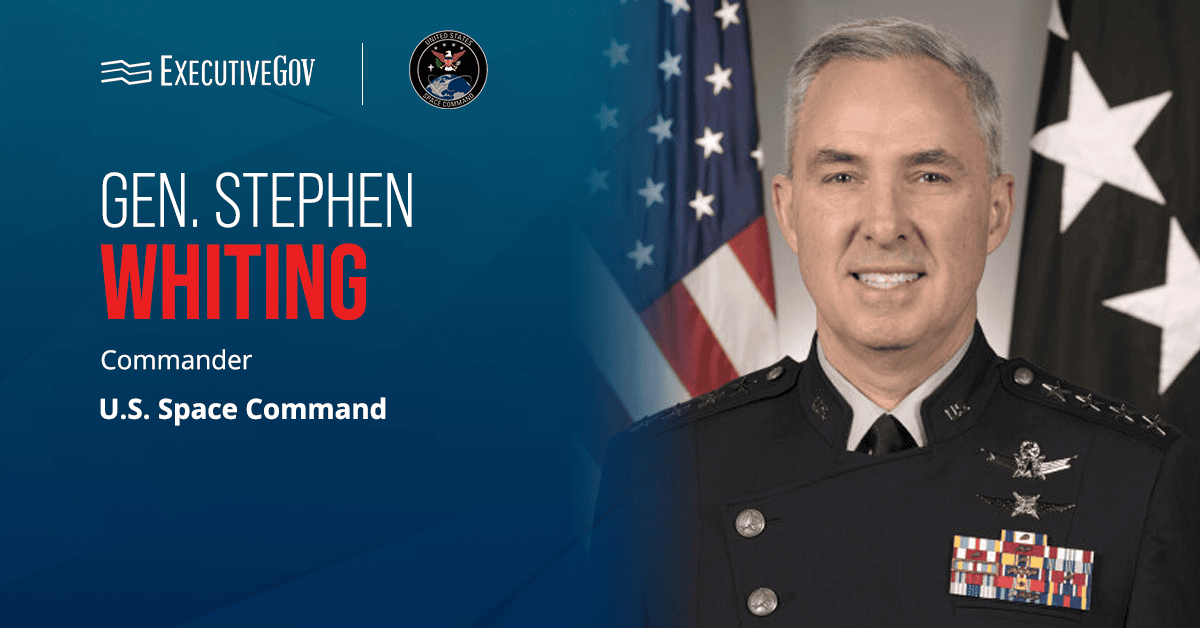
U.S. Space Command Commander Gen. Stephen Whiting unveiled the combatant command’s fiscal 2029-2033 Integrated Priorities List on Aug. 12 at the Space and Missile Defense Symposium, Space News reported Wednesday.
The 2024 Wash100 Award winner said the list is intended to highlight capability gaps and guide military services, government laboratories, research organizations and industry toward areas requiring additional attention.
What Are Space Command’s Highest-Priority Needs?
Whiting ranked two capabilities highest:
- Integrated space fires, or the capacity to create military effects against adversary space assets
- Countering proliferated low Earth orbit, or pLEO, systems, a response to sprawling satellite networks in the hundreds or thousands that the command aims to disrupt at the constellation level rather than one satellite at a time
On space fires, Whiting declined to name specific weapons or programs, pointing instead to a broader goal of reinforcing deterrence and bolstering space-based military operations. He said the U.S. ban on testing debris-producing, direct-ascent anti-satellite weapons remains in force, and the command will operate within it.
On pLEO, Whiting said proliferated constellations aid communications and missile warning but also let adversaries locate, track and target forces.
What Other Capability Gaps Did Space Command Identify?
Other priorities include joint integrated space command and control, dedicated space domain awareness and sustained space maneuver.
Whiting said these capabilities are intended to enhance commanders’ ability to monitor and respond to activity in orbit, enhance tracking precision and enable satellites to maneuver more frequently without being constrained by limited onboard fuel. He noted that Space Command identifies operational requirements, while the Space Force and other military services determine the programs and funding needed to address them.
Several priorities in the latest list echo capability needs Whiting identified in 2024, including space fires, missile defeat effects, assured telemetry, tracking and commanding architecture, and space systems cyber defense among the command’s key investment priorities. At the time, he also emphasized the need for dynamic space operations technologies to help satellites maneuver and sustain missions over longer periods.