
- A Space Systems Command division has executed nearly 40 international cooperative agreements
- SSC expects to record nearly $700 million in additional partner investments by the end of 2026
- The 2026 Air and Space Summit will explore commercial space relay, AI and more
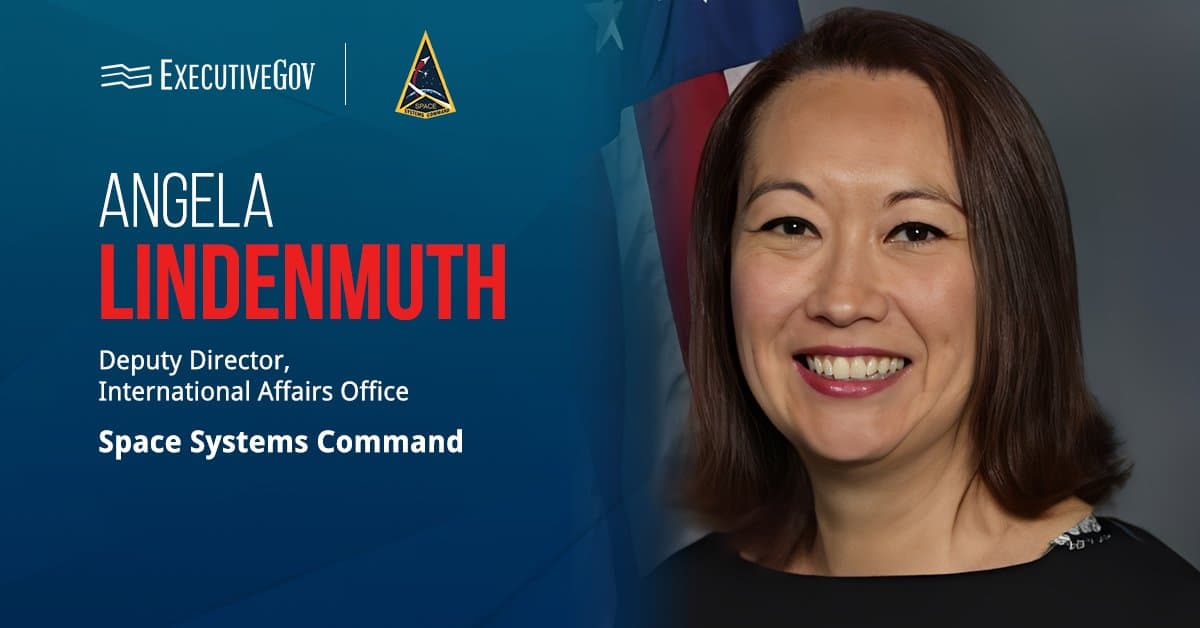
Angela Lindenmuth, deputy director of the International Affairs Office at Space Systems Command, said the command currently executes nearly 40 international agreements, accounting for more than $6 billion in partner investments from over 15 allied and partner countries.

As allied nations expand cooperation on space capabilities and interoperability, government and industry leaders will discuss many of the sector’s emerging priorities at the Potomac Officers Club’s 2026 Air and Space Summit. The July 30 event will feature panel discussions on commercial space relay, artificial intelligence, interoperable optical networks and other topics shaping the future of air and space operations. Register now!
In an article published Friday, Lindenmuth said SSC’s International Affairs Office projects nearly $700 million in additional partner investments by the end of 2026.
In July 2025, the U.S. Space Force unveiled its inaugural International Partnership Strategy to maintain security and stability and promote sustainability in orbit.
What Mission Areas Do SSC’s International Agreements Support?
Lindenmuth said the agreements support multiple mission areas, including space domain awareness, satellite communications; positioning, navigation and timing; missile warning and missile tracking; and research and development.
She added that international agreements help strengthen deterrence, speed up capability delivery and ensure coalition interoperability.
How Do International Agreements Complement Foreign Military Sales?
Lindenmuth said international agreements offer acquisition advantages that complement foreign military sales by enabling the U.S. and allied partners to collaborate early in the development process.
She noted that the approach helps participating countries align operational requirements and system architectures while distributing technical and financial development responsibilities. It could also help improve interoperability, streamline integration efforts and support long-term sustainment planning for coalition operations, particularly in emerging mission areas and evolving threat environments.
What Engagement Programs Support International Cooperation?
According to Lindenmuth, developing a future coalition architecture requires integrating personnel and sharing expertise alongside hardware and financial investments.
She highlighted several engagement initiatives driving integration, including the Defense Acquisition Funded Enterprise-Level Partnerships Space Program; Multinational Personnel Exchange Program; Engineer and Scientist Exchange Program; and the Acquisition and Procurement Exchange Program.