- A draft Pentagon memo directs officials to allocate up to $244 million for Palantir services
- The funding would support Palantir’s work through early 2027, with planning extending into 2028
- Defense leaders have cited efforts to identify production and maintenance bottlenecks across the industrial base
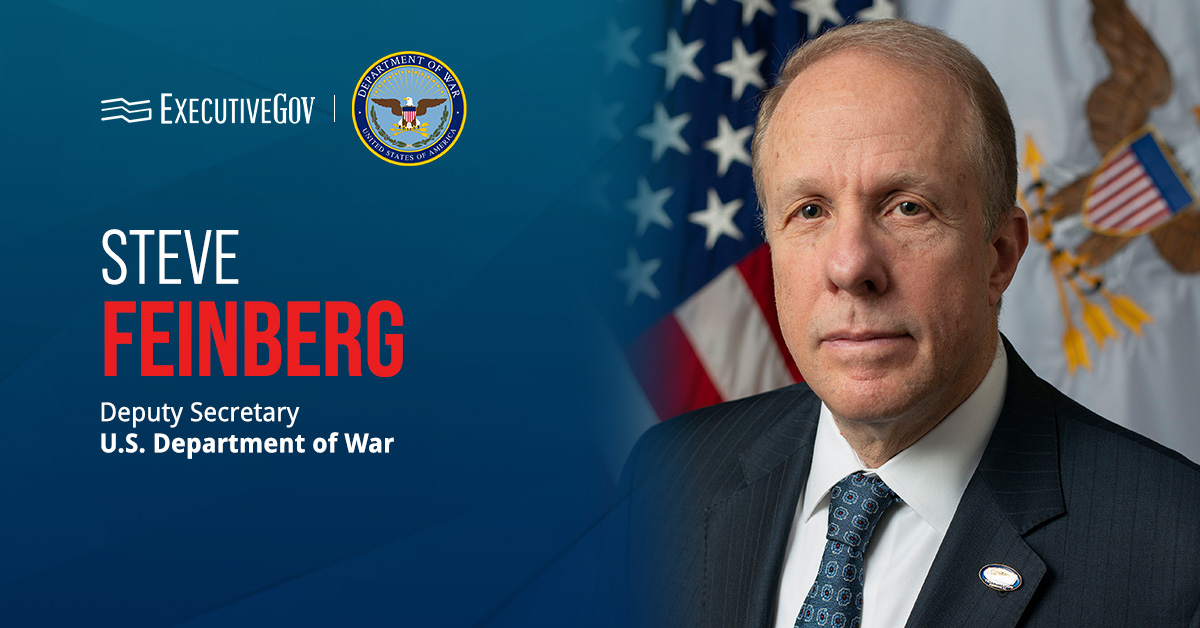
Deputy Defense Secretary Steve Feinberg instructed Pentagon officials on Aug. 4 to allocate up to $244 million in funding for Palantir services, according to a draft War Department memo obtained by Federal News Network.
What Does the Memo Direct?
The directive tells the Pentagon’s acquisition chief and comptroller to sustain funding for Palantir’s work through March 2027 and to identify additional funding opportunities from April 2027 through December 2028. According to Feinberg, Palantir is supporting efforts to boost efficiency in the defense industrial base by identifying delays in production and maintenance of critical munitions and delivery vehicles. The memo does not specify which programs the money would support.
How Does This Fit Into DOW Initiatives?
The memo follows the February launch of Business Operators for National Defense, or BOND, a program initiated by Feinberg to involve private-sector leaders in advancing procurement modernization. The Pentagon aimed to recruit around 250 industry executives to participate in the initiative.
Palantir previously supported the department’s artificial intelligence initiatives, including the Maven Smart System, designed to identify supply chain and logistics bottlenecks, and Warp Speed, a tool used by Boeing and L3Harris that connects defense manufacturers and suppliers while providing visibility into production data.
Maven has seen wider adoption across the military in recent years. In 2025, the U.S. Marine Corps selected the platform as a command-and-control capability supporting its modernization strategy, while the Army and U.S. Northern Command integrated Maven with the Army’s Vantage platform to enhance data sharing and operational decision-making.
Palantir’s role within the War Department has also grown through broader software procurement efforts. In August 2025, the Army awarded the company a potential 10-year, $10 billion enterprise agreement, consolidating 75 contracts into a single vehicle intended to accelerate capability delivery and eliminate contract and reseller pass-through fees.