- State governors or their designees must submit proposals for the U.S. Space Academy initiative by Oct. 26
- Proposals should address infrastructure, partnerships and community resources
- NASA expects groundbreaking to begin in 2027 under the proposed timeline
NASA has issued a request for information seeking states interested in hosting and sponsoring the planned U.S. Space Academy, following the presidential commission’s first meeting on developing the institution, the agency announced Thursday.
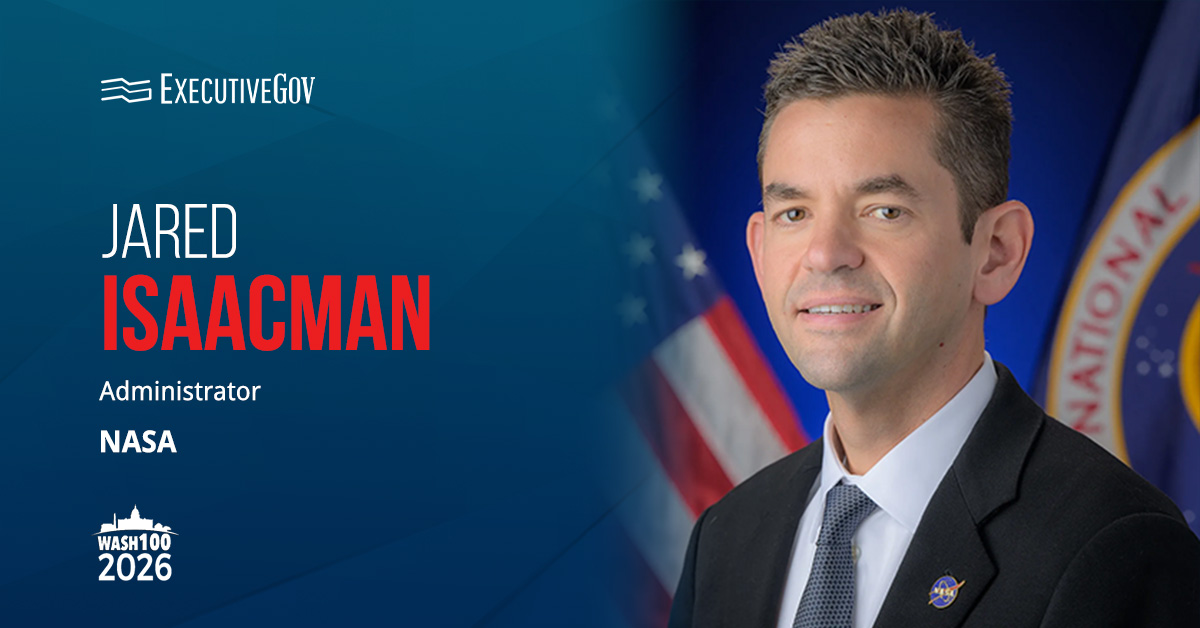
Jared Isaacman, NASA administrator and 2026 Wash100 Award recipient, said the meeting demonstrated the talent and commitment behind the proposed academy and praised government partners for moving quickly to launch the effort.
“Now, with the RFI underway, states across the country have an opportunity to help us shape a legacy institution built for America’s future in space,” Isaacman said.
What Are States Being Asked to Submit?
Governors or their designees can submit proposals explaining why their state should host and sponsor the academy, with responses due Oct. 26. NASA will use the submissions to help the presidential commission select a location.
Deputy Administrator Matt Anderson, who was a keynote speaker at the Potomac Officers Club’s 2026 Air and Space Summit in July, said proposals should address infrastructure, partnerships and community resources.
What Timeline Has NASA Set?
The RFI calls for groundbreaking by 2027, temporary facilities capable of hosting the first 300 students in 2028 and a permanent location operating by 2031. Separately, the commission has 120 days to recommend how to establish the academy and develop the technical talent and leadership pipeline needed to support the nation’s long-term space goals.
Who Participated in the First Meeting?
The meeting, held Wednesday at NASA headquarters in Washington, included Secretary of War and two-time Wash100 Award winner Pete Hegseth, National Economic Council Director Kevin Hassett and Secretary of the Air Force Troy Meink. Office of Science and Technology Policy Director Michael Kratsios, also a two-time Wash100 awardee, was represented by U.S. Chief Technology Officer Ethan Klein.
Officials from the White House, Office of Management and Budget and National Security Council also participated. Members discussed the academy’s governance, curriculum, service commitments, partnerships and implementation.