- SBA has announced an agency-wide reorganization to centralize operations and improve service delivery
- The agency has consolidated administrative functions to streamline management and reduce duplication
- The reorganization supports broader efforts to boost efficiency and accountability
The Small Business Administration has restructured its organizational framework to optimize operations, centralize administrative workflows, and elevate service delivery for small business owners and disaster survivors.
SBA said Friday the restructuring aligns employees under expertise-based offices to reduce duplication in information technology, finance, human resources, legal services and disaster recovery functions.
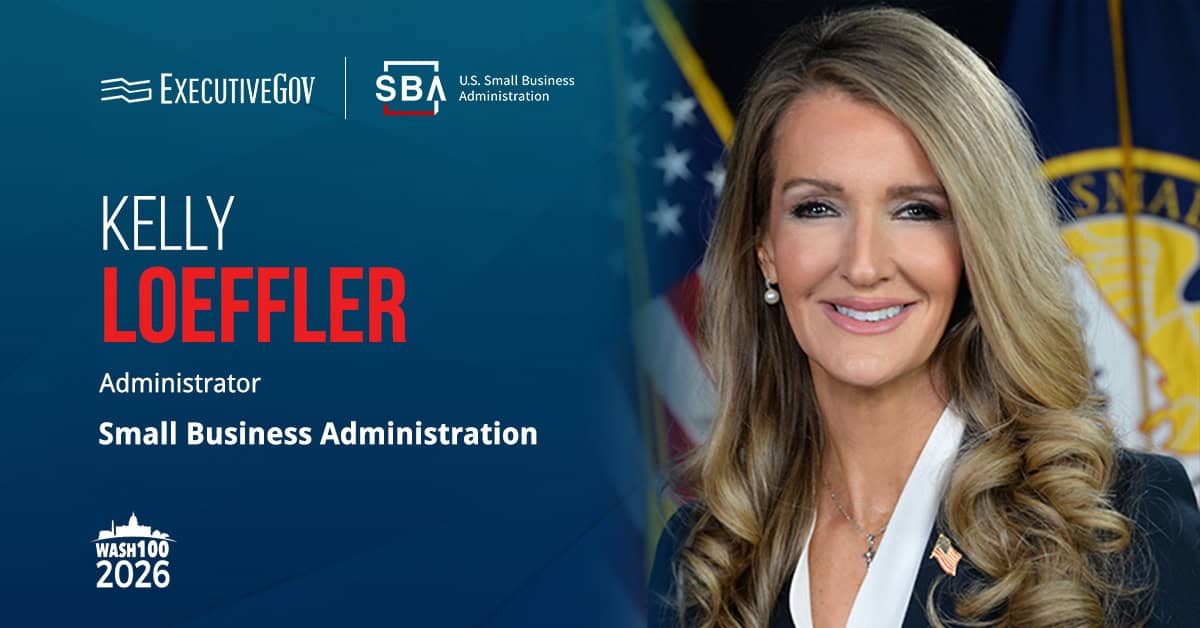
Kelly Loeffler, the SBA administrator, said the changes are designed to modernize agency operations and strengthen accountability to taxpayers.
“The American people deserve an SBA that holds itself to the standards held by the small businesses we serve – with a relentless focus on quality, service levels, and efficiency,” the 2026 Wash100 Award recipient added.
What Changes Are Included in the Reorganization?
SBA is centralizing several functions within designated offices. Disaster-related activities will be consolidated under the Office of Disaster Recovery, while information technology personnel will move under the Office of the Chief Information Officer. Financial management functions, including data analysis, grants management and acquisition professionals, will be aligned under the Office of the Chief Financial Officer.
The agency will also centralize human resources personnel within the Office of the Chief Human Capital Officer and legal professionals within the Office of General Counsel.
In addition, SBA is establishing a Faith Office and an Office of Rural Affairs to support faith-based organizations, rural small businesses and domestic manufacturers.
How Does the Reorganization Fit Into SBA’s Broader Reform Effort?
The announcement builds on a broader restructuring effort launched under Loeffler’s leadership.
In March 2025, SBA disclosed plans to reduce its workforce by approximately 43 percent through a combination of voluntary resignations, expiring appointments and consolidation of non-mission-critical functions. At the time, the agency said accountability offices and core lending and disaster assistance programs would be maintained.
Since taking office in February 2025, Loeffler has outlined priorities focused on operational efficiency, fraud prevention, technology modernization and support for small business growth. Her Day One memorandum called for greater oversight of agency programs, improved customer experience, and closer coordination with efforts to identify waste and inefficiencies across government.
According to SBA, the latest reorganization is intended to further those objectives by reducing administrative overhead, improving coordination among offices and standardizing agency processes.