- DOE has announced $72 million in funding for critical minerals and magnet R&D
- ROCKS and MAGNITO target mineral discovery and magnet innovation
- South Dakota Mines and the University of Houston received awards
The Department of Energy’s Advanced Research Projects Agency-Energy, or ARPA-E, has allocated $72 million for early-stage research and development projects to advance domestic magnet production and strengthen U.S. critical minerals supply chains.

Federal investment in emerging technology is reshaping what’s possible across energy, industry and national security — and civilian agencies are feeling that pressure to keep pace. Join the 2026 FedCiv Summit and hear experts as they discuss AI, cloud computing, cybersecurity and procurement strategies driving agency modernization. Book your seat now at this Oct. 29 event!
ARPA-E said Thursday the funding is part of a $100 million initiative announced in 2025 to support the department’s materials innovation and critical minerals efforts.
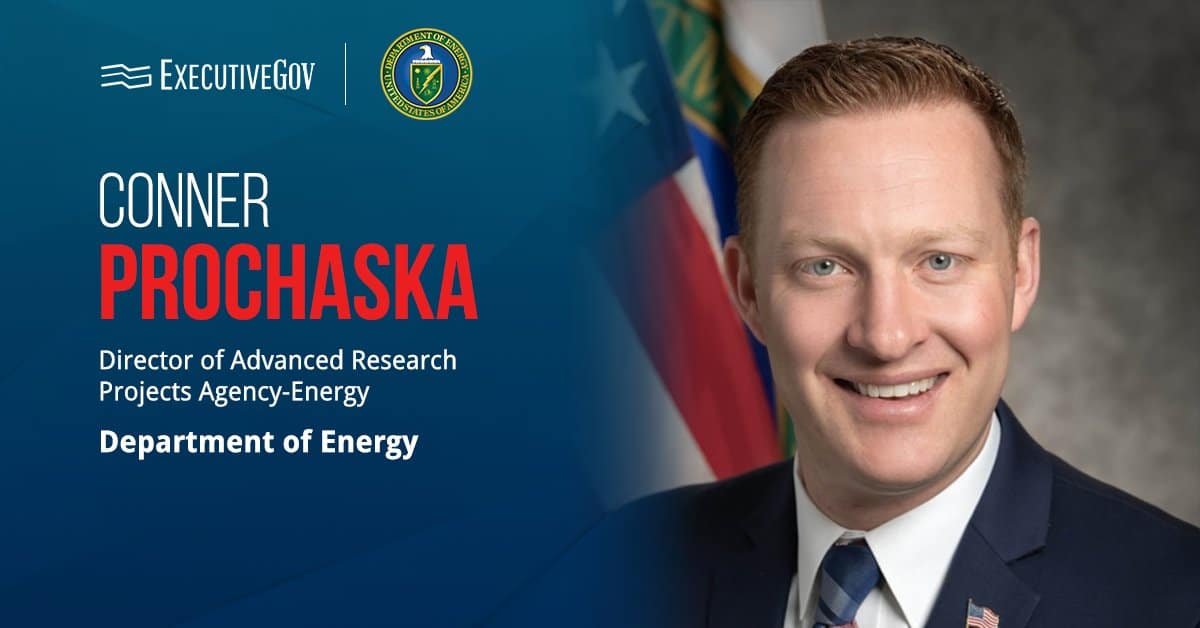
“Rare earth elements, critical minerals, and magnets are indispensable to American energy, industry, and national security,” said ARPA-E Director Conner Prochaska.
What Are the ROCKS & MAGNITO Programs?
The Reliable Ore Characterization with Keystone Sensing, or ROCKS, program seeks to accelerate critical mineral resource development through drilling, sensing and analytical technologies designed to rapidly assess mineral deposits.
The Magnetic Acceleration Generating New Innovations and Tactical Outcomes, or MAGNITO, program aims to develop stronger permanent magnets using artificial intelligence, machine learning and high-throughput experimentation to explore new materials and structures.
According to ARPA-E, the ROCKS and MAGNITO awards, together with recently selected projects for the RECOVER program, bring total funding dedicated to critical minerals supply chain initiatives to more than $100 million.
Which Projects Have Received Funding?
The South Dakota School of Mines and Technology has received $3.1 million in funding to adapt sensing technology for locating and mapping rare earth elements. The project combines radio-frequency imaging and downhole sensing technologies to support the creation of 3D maps of ore deposits.
The University of Houston has secured $2.8 million in funding to develop new permanent magnets through the use of AI and high-performance computing. The project focuses on discovering new intermetallic boride and carbide materials for next-generation magnet applications.
“These projects will accelerate domestic mineral discovery and develop ultra powerful magnets to mobilize U.S. critical mineral reserves, safeguard supply chains, and protect American energy and economic interests,” said Prochaska.
How Do the Projects Align With ARPA-E’s Other Critical Technology Investments?
The ROCKS and MAGNITO programs add to a series of ARPA-E investments focused on advancing emerging energy technologies and domestic industrial capabilities.
In April, ARPA-E announced a $135 million investment to advance and commercialize fusion technologies. The agency also allocated $34 million for 12 projects to integrate AI with automated laboratory systems to drive industrial catalyst development for fuels and chemicals.