The Department of Energy’s Advanced Research Projects Agency-Energy, or ARPA-E, has allocated $34 million for 12 projects aimed at integrating artificial intelligence with automated laboratory systems to advance industrial catalyst development for fuels and chemicals.
What Is the CATALCHEM-E Program?
ARPA-E said Tuesday its Catalytic Application Testing for Accelerated Learning Chemistries via High-throughput Experimentation and Modeling Efficiently, or CATALCHEM-E, initiative, launched in 2024, is designed to shorten the timeline for developing industrial catalysts from about 10 years to roughly one year. Projects will combine machine learning, AI-guided design and high-throughput experimentation to create continuous discovery workflows. The program seeks to accelerate the design and validation of catalysts used to convert feedstocks, such as oil and gas, into fuels and commodity chemicals.
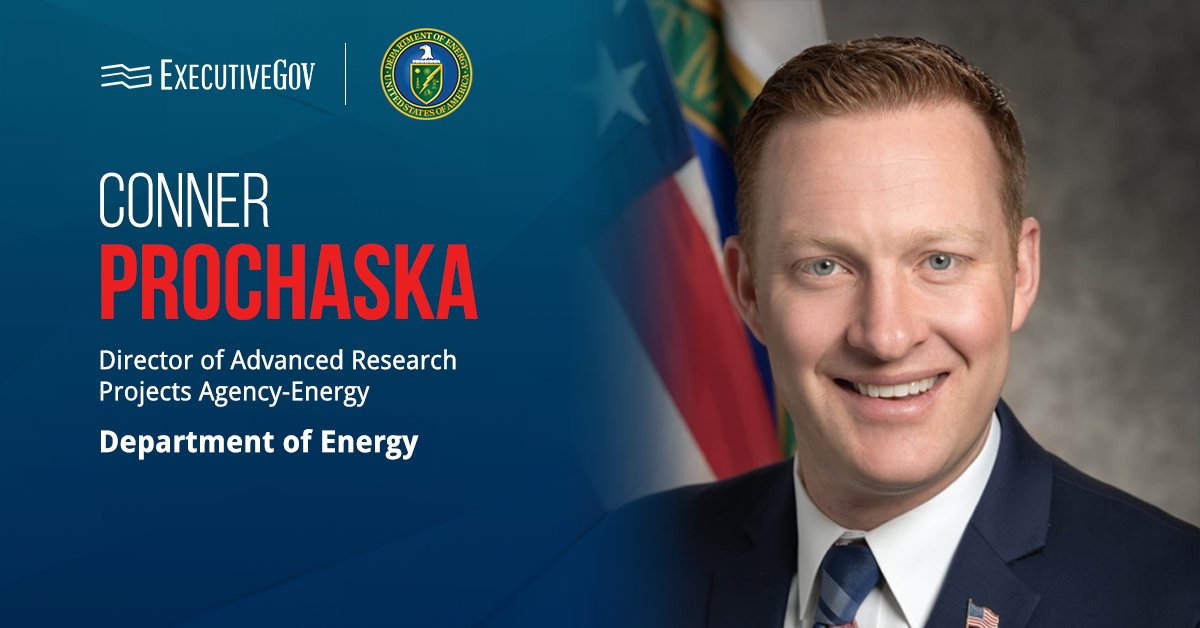
“CATALCHEM-E's goal is to harness the power of AI paired with self-driving labs to slash the development timeline for these critical building blocks from a decade to a year. This will empower American refineries, factories, and industrial plants to strengthen manufacturing, energy independence, and national security,” said Conner Prochaska, director of ARPA-E.
Which Projects Were Selected?
Among the selected projects, the University of Wisconsin–Madison will use $2.84 million to develop catalysts to turn ethanol into alcohol for fuels and specialty chemicals. Ames National Laboratory received $2.52 million to pursue precious-metal-free catalysts for hydrocarbon processing. North Carolina State University will have $2.99 million to develop catalysts for converting biomass and waste liquids into hydrogen-rich syngas.