- A partnership intermediary agreement has been signed between the Air Force Research Laboratory and the Texas Space Commission
- The partnership will leverage the Texas commercial space sector to speed up technology transfer in national security space programs
- The collaboration has four pillars: commercial space strategy, industry partnerships, acquisition reform and industrial base resilience
The Air Force Research Laboratory has formalized a partnership intermediary agreement with the Texas Space Commission aimed at speeding the adoption of commercial space technology into national security systems, the U.S. Space Force announced Friday.
The partnership creates a structured channel for tapping Texas’ commercial space sector to support the U.S. Space Force. Officials said the arrangement is designed to move new capabilities into service more quickly, strengthen technology transfer efforts and shore up the financial standing of the domestic space industrial base.
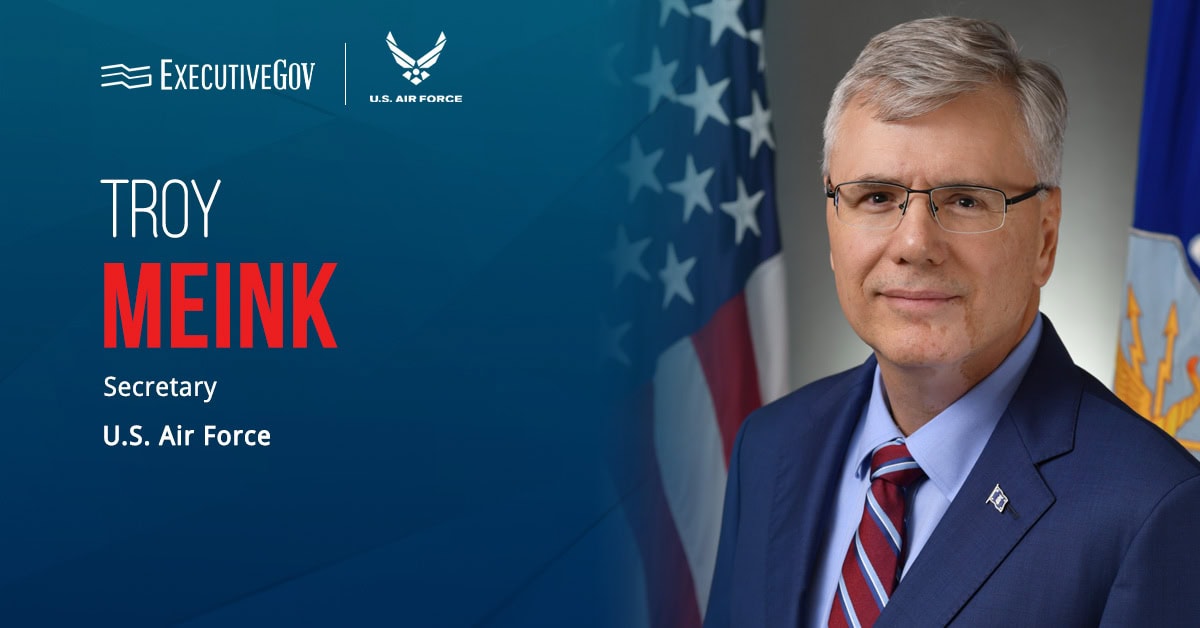
“In a contested space domain, our strategic advantage depends on the ability to innovate faster than adversaries,” said Secretary of the Air Force Troy Meink, winner of the 2026 Wash100 Award. “This agreement represents a fundamental shift in how we work with the nation’s most dynamic industrial and research hubs. It’s establishing a defined pathway to convert commercial ingenuity into decisive military capability.”
How Is the Partnership Related to Space Force Front Door?
Execution of the partnership will run largely through the Space Force Front Door, the service’s centralized intake portal for commercial vendors. Officials said the portal will serve as the main conduit for coordinating technical integration, lowering entry barriers for companies that haven’t traditionally worked with the Department of War and accelerating the path from commercial prototype to fielded system.
Texas brings substantial scale to the partnership, hosting more than 2,100 aerospace companies alongside research institutions and universities engaged in space-related work, including NASA’s Johnson Space Center mission operations in Houston. Officials characterized the agreement as adding a defense-focused chapter to the state’s long space history.
What Four Pillars Guide the Collaboration?
Meink outlined four areas of focus meant to translate the partnership into fielded capability:
- Commercial space strategy — Matching commercial capabilities to defense requirements through systematic evaluation of gaps, with an eye toward faster integration of off-the-shelf technology.
- Industry partnerships — Deepening ties with Texas-based aerospace firms, research centers and universities to spur joint development work.
- Acquisition reform — Applying streamlined contracting tools and flexible transaction authorities to cut bureaucratic delays and field systems more rapidly.
- Industrial base resilience — Reinforcing domestic supply chains and manufacturing capacity to sustain long-term space system production.
The goal is to bridge the persistent gap between promising commercial prototypes and formally funded programs of record, while also supporting regional workforce development and supply chain stability, the Space Force said.
Meink said the initiative is intended to shape the department’s space architecture for years to come, framing tighter industrial-base security and faster acquisition pathways as key to sustaining U.S. Space Force superiority.