- A new executive order creates a commission to plan a national space academy
- Senior science, economic and defense officials will serve on the panel
- The panel’s report is due within 120 days
President Donald Trump has signed an executive order establishing a new commission to direct federal officials in developing plans for a proposed NASA-led federal academy focused on training the next generation of space leaders.
What Is the Scope of the Commission’s Duties?
The White House said Friday the Presidential Commission on the United States Space Academy is tasked with advising the president on proposals to create the Space Academy, an institution intended to pair technical education with leadership development and a commitment to public service. The order calls for the academy to build a professional corps prepared to advance U.S. interests in the space domain.
The NASA administrator will chair the commission, with the assistant to the president for science and technology and the assistant to the president for economic policy serving as vice chairs. The NASA deputy administrator will serve as executive director.
Additional commission members include the secretary of war, the White House chief of staff, the director of the Office of Management and Budget, the assistant to the president for national security affairs and the secretary of the Air Force, or their designees. The chair may also invite other federal employees to join and may form working groups that consult with academic and industry experts, with any recommendations from those groups subject to full commission review before adoption.
What Will the Commission’s Report Address?
Within 120 days of the order, the commission must submit a report to the president outlining key details for establishing the Space Academy. The report is expected to cover:
- A governance framework for the academy, including its organizational structure, authorities and accreditation, with specific evaluation of housing the academy within NASA
- An academic and leadership curriculum, including degree programs and experiential training
- Service obligations for graduates, covering military and civilian federal service requirements
- Applicant prerequisites, including citizenship, security clearance and government or military status
- A process for selecting the academy’s permanent physical location
- Administrative actions available under existing legal authorities, including potential pilot programs and partnerships
- Legislative actions needed to carry out the commission’s recommendations
- Coordination with existing federal education programs
- An implementation strategy, including timelines and sequencing of next steps
Once the president approves the recommendations and any necessary legislative action is taken, the NASA administrator will coordinate with relevant agency heads to implement the plan, subject to applicable law and available funding.
What Did the NASA Chief Say About the Commission?
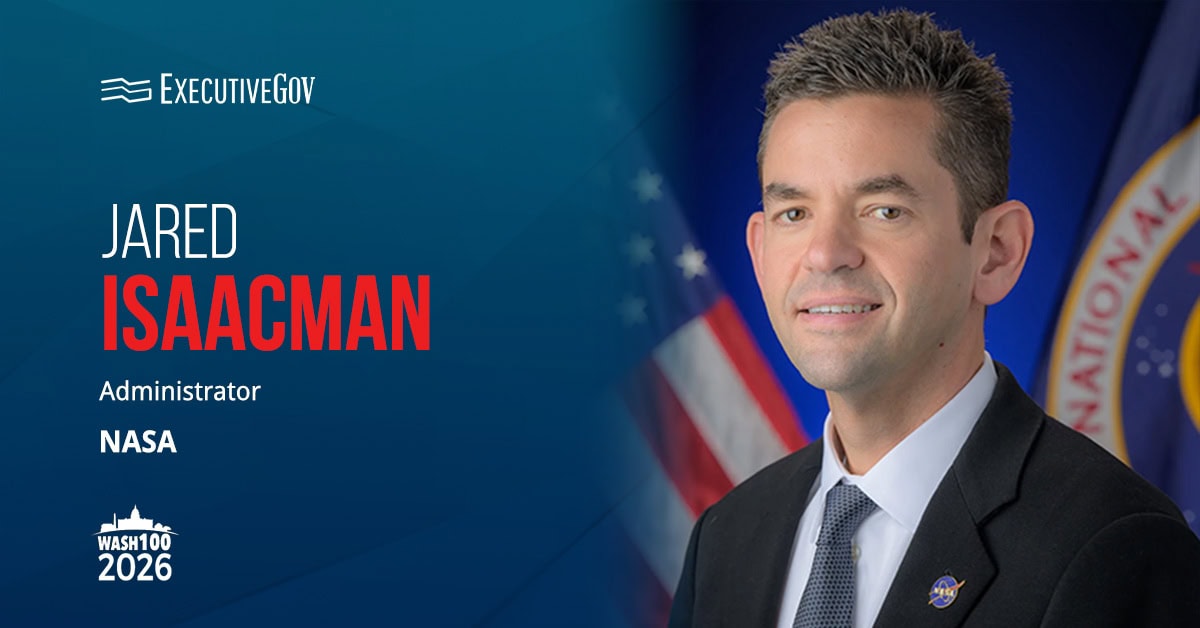
In a statement published Friday, NASA Administrator Jared Isaacman said the academy reflects the president’s vision for training the workforce needed to support future space missions.
“In the years ahead, we will return NASA astronauts to the lunar surface, build the Moon Base, get underway on nuclear power, ignite the orbital economy and launch more missions of science and discovery,” said Isaacman, a 2026 Wash100 awardee. “I have no doubt that so much of the future talent that will graduate and contribute to these exciting endeavors will be educated at the United States Space Academy.”
How Does the Space Academy Order Build on Trump’s Space Agenda?
The latest executive order adds to a series of administration actions aimed at reinforcing U.S. space leadership. In August 2025, the administration issued an EO promoting competition within the commercial space sector, followed by a December order outlining an America First approach to space exploration, security and commerce. This past April, NASA returned astronauts to lunar orbit for the first time in over five decades through the Artemis II mission.
More recent efforts have centered on infrastructure and industrial base development. The Federal Aviation Administration adopted a single licensing framework for commercial space launches, a move that preceded a national security presidential memorandum targeting more than 1,000 annual U.S. launches and reentries by 2030.