
- DISA Director Paul Stanton has called for standardized military networks and data
- Stanton said common standards can help move information faster in contested environments
- He urged gateway architectures to translate and secure coalition data
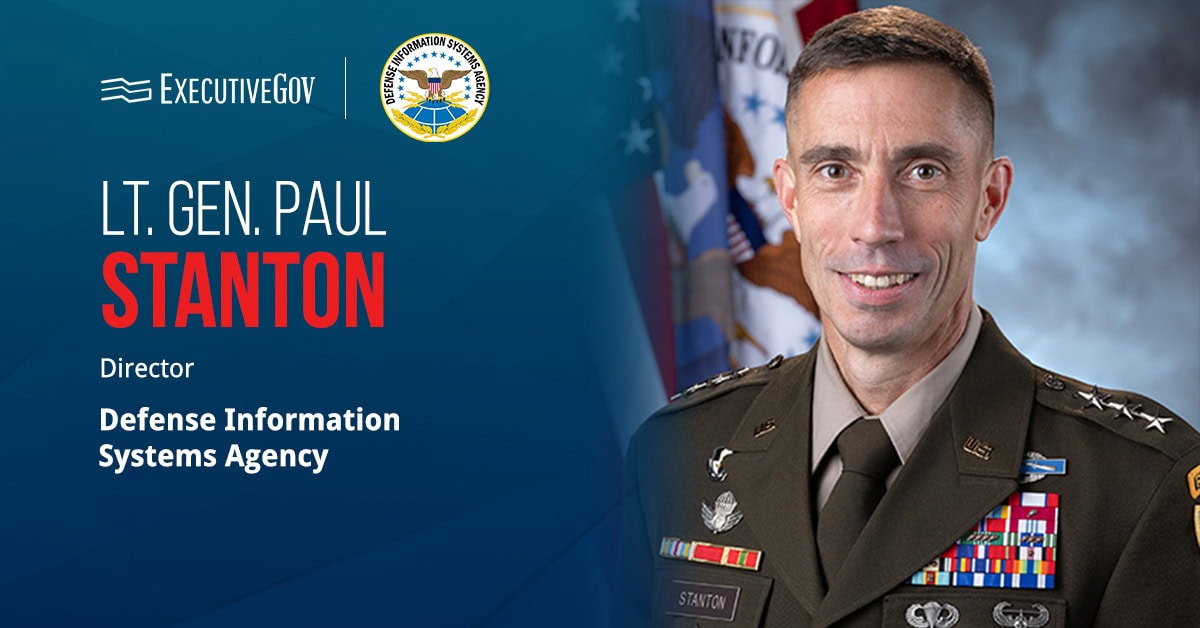
Lt. Gen. Paul Stanton, director of the Defense Information Systems Agency and a 2026 Wash100 Award winner, called for greater standardization of military networks and data during a keynote address at the AFCEA International TechNet Augusta 2026 conference held Aug. 20 at the Army Cyber Center of Excellence, DISA said Wednesday.
What Did Stanton Say About Network Standardization?
Stanton, who also serves as commander of the Department of War Cyber Defense Command, said the joint force needs to standardize its networks and data to reduce congestion and move information more quickly in contested environments. He argued that differences in data formats can hinder the movement of information between operational systems.
Stanton’s comments build on his previous calls for network modernization and interoperability, including his March testimony that the military needs to get the “right data to the right place at the right time.”
The Next-Generation Command and Control initiative reflects this approach, with standardized network architectures intended to allow military headquarters to connect with different combatant commands. Stanton also called for gateway architectures that can translate and secure data from coalition partners using different systems.
He further urged the military to treat network operations as a warfighting function rather than a static administrative IT activity. The emphasis aligns with Stanton’s broader push to embrace a warfighting mindset against cyberthreats.
How Should the Military Address Network Vulnerabilities?
Stanton also criticized the continued reliance on plans of action and milestones, or POAMs, to manage unresolved network vulnerabilities. He advocated treating those vulnerabilities as deferred maintenance, with commanders responsible for accounting for the operational risks posed by systems that remain unpatched.
The DISA director urged industry to develop edge-based artificial intelligence capabilities tailored to specific operational use cases instead of offering generic technology.
Stanton said cyber forces should approach networks as a maneuver domain and operate them with the same urgency as physical battlefield operations.
How Does This Fit Stanton’s Broader Cyber Priorities?
In July, Stanton outlined four focus areas to strengthen collaboration between the War Department and industry partners, including readiness, campaigning, continuous modernization and establishing lethality through secure and interoperable systems.
While his earlier remarks focused on government-industry collaboration, readiness and continuous modernization, the TechNet Augusta address provided more detail on Stanton’s approach to standardized architectures, coalition integration and operationally focused AI capabilities.