

- The Pentagon is on a munitions shopping spree to replenish depleted stocks
- FAMM will be a low-cost, standoff cruise missile designed for long-range mass
- Learn about scaling essential munitions programs like FAMM at the 2026 Air and Space Summit!
The Pentagon is on a munitions shopping spree to replenish depleted stocks and one of its top priorities is the Air Force’s Family of Affordable Mass Munitions, or FAMM. This program will provide a low-cost standoff cruise missile designed for long-range mass to overwhelm enemy defenses, deplete adversary defensive weapon inventories, and complement more complex and expensive munitions.
The first FAMM variant is a palletized baseline configuration that will be followed by a lugged variant. Both will feature weapon-to-weapon communications.
These will be some of the most technologically advanced munitions built by the USAF in generations. FAMM is likely to include a beyond line-of-sight, extended range and long-range kill chain communications, different payloads, subsystems and employment options.
The USAF is also backing up FAMM with plenty of money: billions upon billions of dollars are expected for the effort through FY 2031. Let’s get into the details for FAMM and discover why this is one of the USAF’s most anticipated acquisition efforts in years.
Uncover DIB opportunities in scaling essential weapons programs like FAMM at the Potomac Officers Club’s 2026 Air and Space Summit on July 30! Examine balancing innovation, cost and mission effectiveness and growing advanced military capabilities at operational speeds at the Win or Lose – The Speed of Military Technology Advancement panel discussion. It features top Pentagon officials and leading industry experts, including:
- Jacob Glassman, Department of War deputy assistant secretary for science and technology
- Dr. Robert Antypas, Air Force Research Laboratory space access, mobility and logistics mission area lead
- Dr. GP Sandhoo, Space Development Agency director
- Chris Jones, Nightwing chief technology officer
- Ron Fritzmeier, Intel Government Technologies director of mission solutions
Secure your seat today while tickets still remain!
What Are the Biggest Takeaways About FAMM?
1. Mix of Entrants With Innovative Offerings
FAMM has attracted an interesting mix of contractors ranging from startups to fast rising firms to international primes. These include CoAspire, Anduril and Zone 5 Technologies, which is majority owned by Norwegian prime contractor Kongsberg.
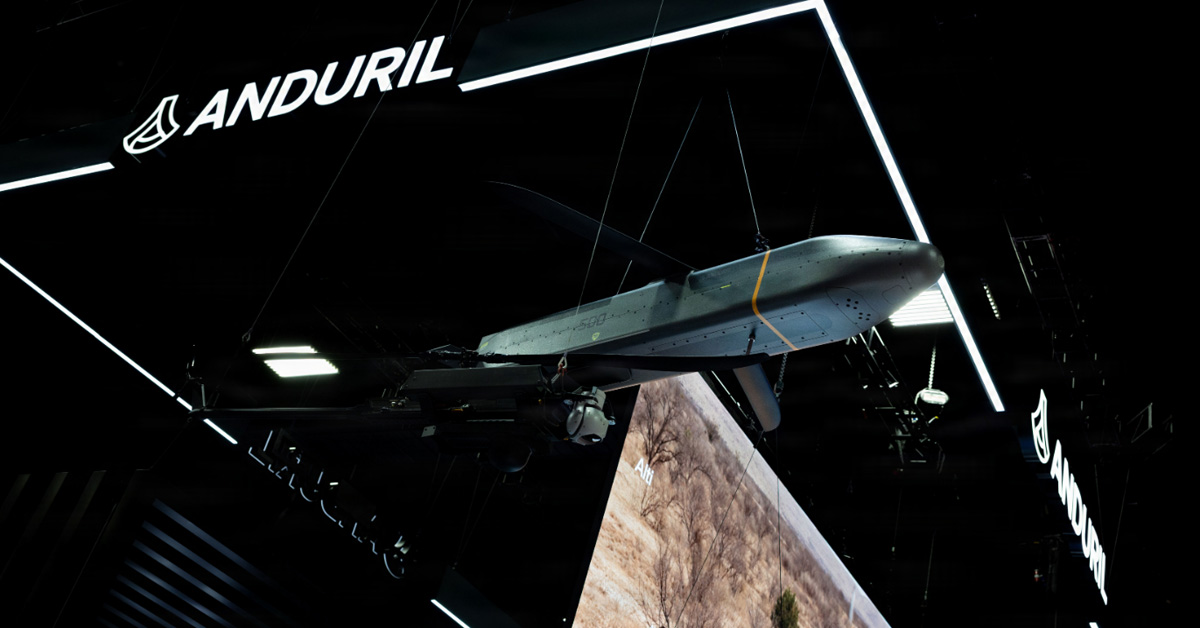
Anduril is offering its pallet- and lug-launched Barracuda-500 for both FAMM-P and FAMM-L. The company performed its first flight test of the pallet-launched Barracuda-500M in September 2024 and has since performed dozens of flight tests of the Barracuda-500 system, including networked collaborative autonomy flights.
CoAspire, a new entrant, has signed a framework agreement with the USAF and is offering its Rapidly Adaptable Affordable Cruise Missile, or RAACM. The company was selected by the USAF for a developmental other transaction agreement in late 2025 for work including integration and flight testing on USAF aircraft.
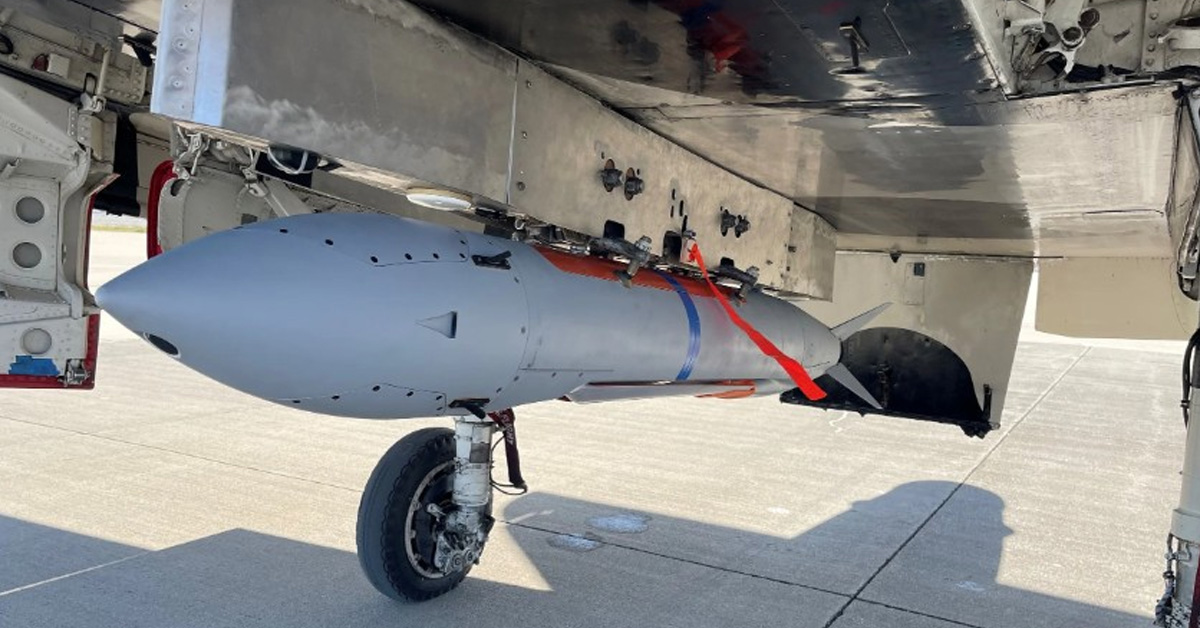
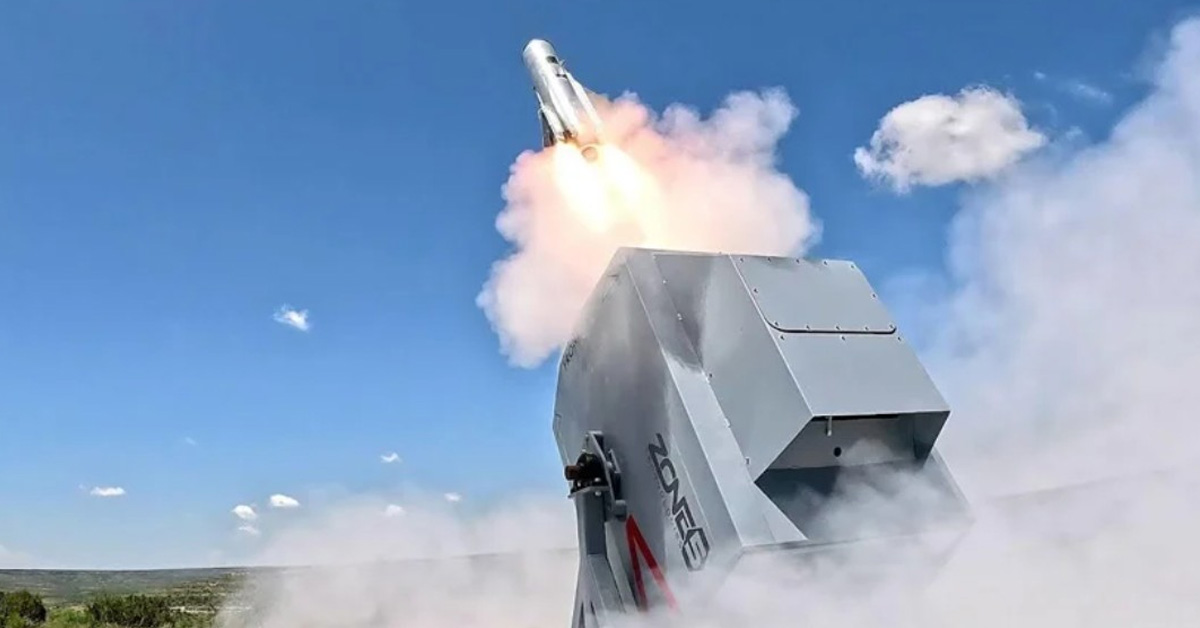
Zone 5 is offering the Rusty Dagger, a new extended range attack munition, for FAMM, the War Zone reported. The Rusty Dagger, known as the AGM-188 in USAF parlance, has been cleared for use from four different types of aircraft, one of which is the F-16.
2. Companies Making Acquisitions to Better Position for FAMM
Kongsberg finalized a 90-percent stake in Zone 5 Technologies in June to smooth a rapid entry into the international market for Zone 5’s products. Kongsberg, at the time, called Zone 5 the market leader in affordable mass munitions.
“By combining the high-performing Kongsberg portfolio and Zone 5’s high-volume assets, Kongsberg will provide comprehensive and flexible systems in the markets for air defence and strike,” Kongsberg said in a statement.
Kongsberg is a well-known entity in the U.S. defense industry for its variety of Pentagon contracts. The firm on July 16 just received a new contract from the USAF worth about $100 million for further deliveries of its Joint Strike Missile, a fifth-generation air-to-surface missile that can be carried internally by the Lockheed Martin F-35A. The JSM is also in use by Australia, Canada, Germany, Japan and Norway.
3. Novel Acquisition Strategies
A key feature of FAMM is a unique contracting strategy that the Pentagon said balances competition, stability and long-term demand signals to scale production. The Department of War specifically created seven-year, multi-year agreements that will be awarded upon the successful validation and competitive selection of the munitions, the Pentagon announced on July 15.
The DOW was granted five-year authorization for FAMM in the FY 2026 National Defense Authorization Act and is seeking congressional approval in the FY 2027 defense authorization and appropriations bills for a seven-year multi-year procurement. This should provide stability to new entrants, according to the DOW.
The multi-year strategy uses firm-fixed-price awards with a minimum quantity floor. Shares are divided among all qualified vendors to ensure multiple production lines are prepared to meet increased production demands. Contractors that meet or surpass production schedules will be eligible for additional quantities and new capabilities in the future as technology advances.
Grow your FY 2027 revenues with some of the Pentagon’s biggest budget programs at the Potomac Officers Club’s 2026 Air and Space Summit on July 30! Our Golden Dome lunch panel will give attendees actionable business intelligence in transitioning Golden Dome from prototype to production-ready capability and sustaining government-industry collaboration through deployment and lifecycle support. Sign up now!
4. Substantial Industry Investments
Anduril in the last few years has made substantial investments in a pair of facilities in central Ohio and southern California to accommodate Barracuda-500 production. The company has spent more than $40 million to build a dedicated 115,000-plus square foot production facility on the west coast to meet short-term demand for the Barracuda family of systems. Barracudas are already being built here.
Eventually, production for Barracuda variants and the SLB-500, or surface-launched Barracuda, will move over to Arsenal-1, Anduril’s $1-billion, 50-million-square-foot hyperscale production facility south of Columbus, Ohio, to further scale production capacity.
5. Big-Budget USAF Plans for FAMM
The USAF has big plans for FAMM as it plans to spend $12 billion in procurement funds to buy about 27,000 missiles over the next few years, according to the service’s FY 2027 budget request.
The USAF anticipates requesting $1.9 billion for FAMM procurement in FY 2028 and $2.3 billion in FY 2029. The service predicts requesting $4 billion in FAMM procurement in FY 2030 before peaking at $4.1 billion in FY 2031.