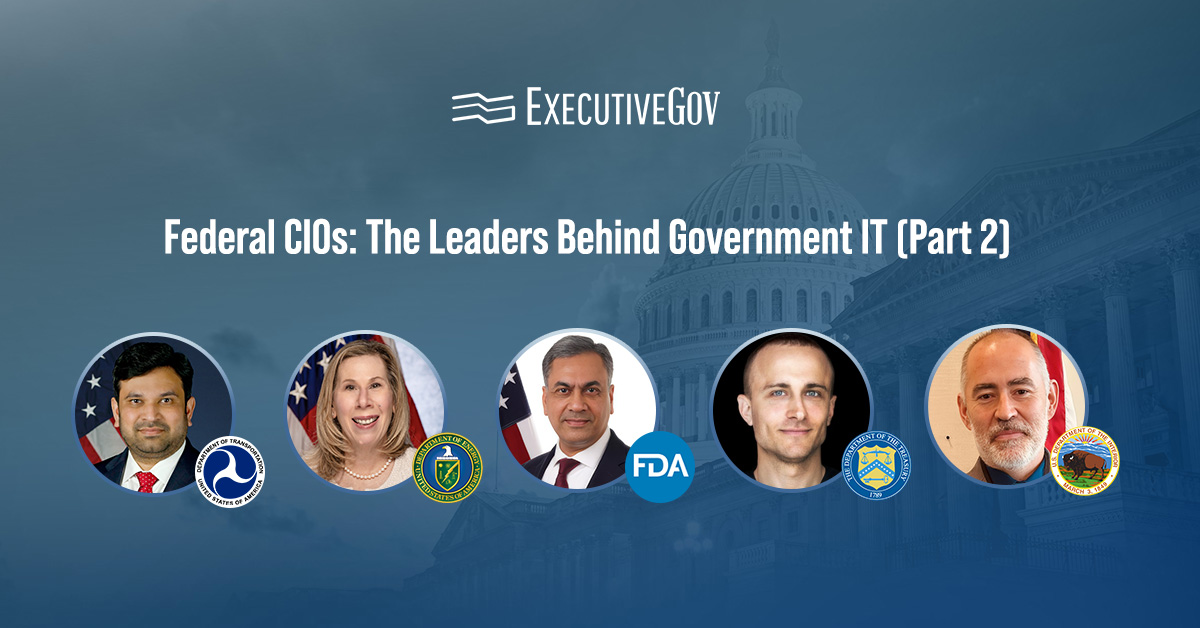
- Dive into part two of our ongoing series on federal CIOs and how they’re championing technology modernization in the federal government
- Explore the backgrounds and accomplishments of top CIOs including Dawn Zimmer, a 2026 Wash100 awardee from the Department of Energy and Pavan Pidugu, another Wash100 winner from the Department of Transportation
- Get actionable business intelligence at Potomac Officers Club’s 2026 Digital Transformation Summit on April 22, a CIO-focused conference featuring keynotes from major CIOs Dawn Zimmer and Pavan Pidugu!
Federal chief information officers play a pivotal role in shaping how the government serves the public in the digital age. From safeguarding sensitive data to modernizing outdated systems, their decisions directly impact national security and economic efficiency.
Federal CIOs set technology priorities, control IT budgets and influence procurement decisions. They shape where opportunities emerge by defining modernization strategies, cybersecurity standards and digital transformation goals. Better understanding CIO priorities can determine whether GovCons win contracts, stay competitive and deliver solutions that agencies need.
Why Are Federal CIOs Important?
Federal CIOs are important because their leadership and vision determine whether innovation in technology to better deliver services succeeds or fails. Understanding their influence is essential not just for policymakers and industry leaders, but for anyone who depends on secure and reliable government systems.
In part two of our series, we dig into the backgrounds of federal CIOs and learn how they’re embracing critical emerging technologies to help their agencies deliver services faster, cheaper and better.
Hear new IT business opportunities directly from top federal CIOs like these at the Potomac Officers Club’s 2026 Digital Transformation Summit on April 22! Hear directly from Kirsten Davies, Pentagon CIO and a 2026 Wash100 Award winner, on topics like zero trust expansion and software-centric warfare during her illuminating keynote address. Secure your seat today!
Who Are Leading Federal CIOs?
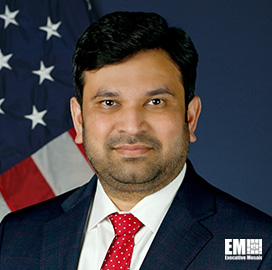
Pavan Pidugu
Department of Transportation
Pavan Pidugu, a 2026 Wash100 Award winner, is radically transforming how technology is developed and delivered at the Department of Transportation. He’s leading an enterprise-wide IT modernization effort, prioritizing the creation of a OneDOT model for enterprise services including cloud, cybersecurity and data.
With Pidugu’s guidance, the Department of Transportation is adopting the Salesforce artificial intelligence agent Agentforce. It will provide 24/7 support to the public, deliver alerts and mitigation strategies for traffic incidents, and should help the department provide services more efficiently.
Pidugu will deliver a keynote address at the 2026 Digital Transformation Summit. Get your ticket now!
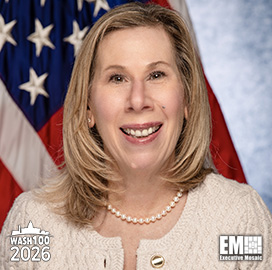
Dawn Zimmer
Department of Energy
Dawn Zimmer, another 2026 Wash100 awardee, was named permanent DOE CIO in November of last year. She’s a 25-year technology professional with vast expertise in business partnerships, service delivery and strategic planning.
Zimmer spent much of her federal career at the Federal Aviation Administration, including as director of business partnership services in the first Trump administration. There she provided IT access to more than 50,000 users across the world, including the conversion of more than 60,000 email boxes to Microsoft Office 365 in under a month.
Zimmer spent five years at Virginia Tech as its executive director for IT experience and engagement from 2019 to 2024 before joining DOE. She'll also deliver a fascinating keynote at the 2026 Digital Transformation Summit. Sign up today!
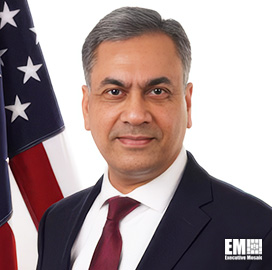
Sridhar Mantha
Food and Drug Administration
Sridhar Mantha is championing expanded but responsible use of AI in the federal government. He’s encouraging the Office of Personnel Management to scale an FDA program called Champions where a team of 30 to 40 people evangelize AI to their respective departments to strengthen collaboration across federal agencies.
Mantha is also helping coordinate an FDA-wide rollout of AI capabilities that focus on improving usability, broadening document integration and curating outputs to center-specific requirements. He is relatively new to federal service, having spent most of his career in the pharmaceutical industry. Mantha was previously global head for quality information systems and group quality at Novartis from 2016 to 2020 before joining the FDA.
Are you a GovCon technology professional? Then you cannot miss the Potomac Officers Club’s 2026 Digital Transformation Summit on April 22. It’s curated just for you! Learn about modernizing infrastructure to support enterprise and workforce readiness for data-driven government at the Driving Digital Transformation and Responsible AI Across the Federal Enterprise panel discussion. Sign up now!
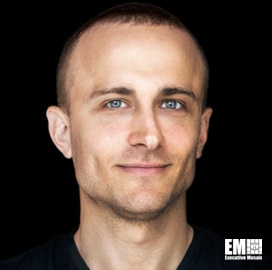
Sam Corcos
Department of Treasury
Sam Corcos has an extensive background in technology startups. Before becoming the Department of Treasury’s CIO in May of last year, he spent nearly six years as co-founder and CEO of Levels. This is a health tech company that uses biosensors like continuous glucose monitors to provide users with real-time feedback of how diet and lifestyle choices impact metabolic health.
Corcos was also founder and chief technology officer at Sightline Maps, which built a system primarily marketed to the Pentagon to additively manufacture topographical maps. The firm worked with U.S. Special Operations Command under a cooperative research and development agreement to develop mapping technology.
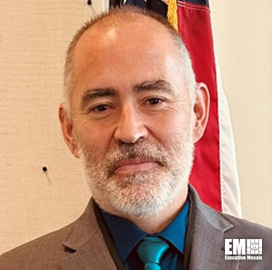
Paul McInerny
Department of the Interior
Paul McInerny is a former SpaceX official who spent nearly seven years with the company in two stints. He ended his first term there as director of avionics flight software from 2009 to 2011. McInerny returned to SpaceX in 2018 as principal software engineer before becoming senior manager for software automation tools from 2019 to 2020.
Clark Minor
Health and Human Services
Clark Minor has been at HHS since 2025, having spent his first seven months as its CTO. He is now the chief AI officer and CIO.
Minor spent nearly 13 years at Palantir, including a year as a software engineer from 2011 to 2012. Here he worked on the backend of the company’s Gotham platform, which features a targeting offering that supports soldiers with an AI-powered kill chain as part of an operating system for global decision-making.
Minor is leading an initiative to streamline the HHS CIO’s office around three core functions: strategic technology leadership and innovation, responsible and trustworthy AI, and enterprise governance and analytics. The goal is to work as a unified squad under Minor to deliver secure and scalable programs, and common services.