- DOE has launched the Quantum Genesis initiative to advance fault-tolerant quantum computing for scientific research
- The effort is part of a broader federal push to accelerate quantum innovation and strengthen U.S. leadership in advanced computing
- The program will support the development of early fault-tolerant systems with applications in science and materials research
The Department of Energy has established the Quantum Genesis initiative, a new effort aimed at developing and deploying a scientifically relevant fault-tolerant quantum computing capability by 2028.
The Genesis Mission will be a major topic of conversation at Potomac Officers Club’s much-anticipated 2026 FedCiv Summit on Oct. 29. Don’t miss out!
What Is the Quantum Genesis Initiative?
DOE said Tuesday the initiative will serve as a core element of the broader Genesis Mission, which seeks to expand U.S. scientific discovery and innovation through advanced computing technologies. The effort supports objectives outlined in President Donald Trump’s executive order on quantum innovation and aligns with the Quantum Computer for Application Development and Discovery Science effort.
What Are the Program’s Key Priorities?
Quantum Genesis will focus on three primary activities: the DOE Q Competition, the National Quantum Supercomputing User Facility and targeted research and development for quantum computing applications.
The Q Competition is intended to demonstrate fault-tolerant quantum systems in 2028, with logical qubit totals reaching the low hundreds and applications in areas such as chemistry, materials science, plasma physics and high-energy physics.
How Will DOE Support Quantum Research?
DOE plans to establish the National Quantum Supercomputing User Facility, which will provide scientists and engineers access to advanced quantum computing systems alongside high-performance computing, artificial intelligence and networking resources. The department also plans to pursue focused R&D efforts involving national laboratories, universities and industry partners to identify and advance scientific applications that could help guide future quantum system development and evaluation.
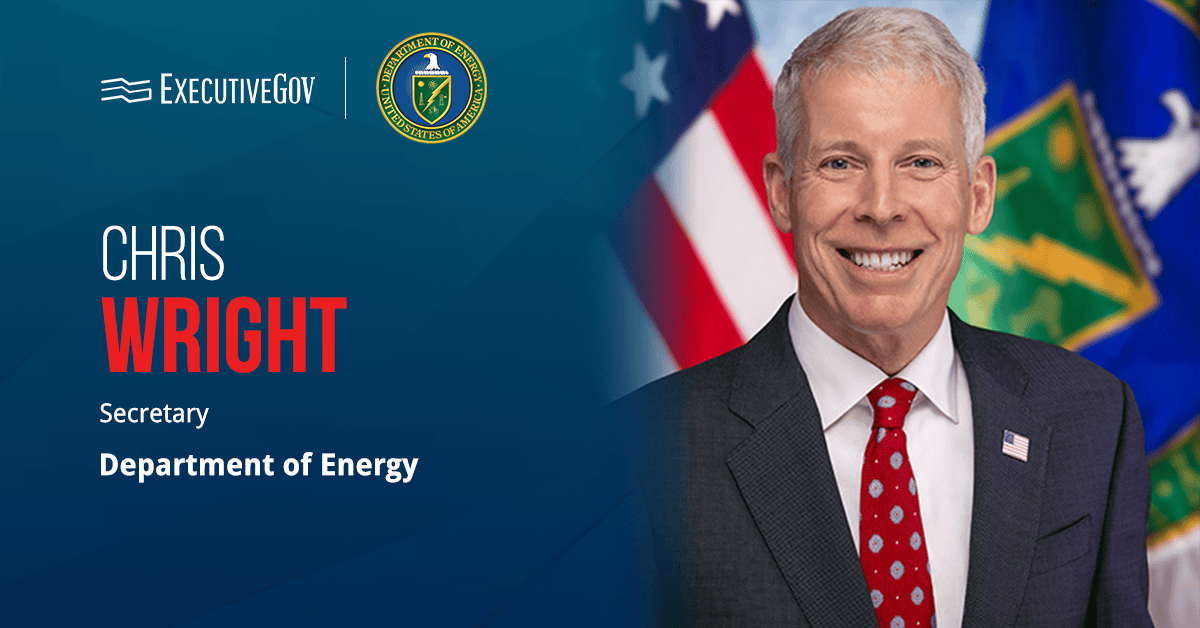
Secretary of Energy Chris Wright said quantum computing has the potential to dramatically accelerate scientific discovery.
“Through Quantum Genesis, we are bringing together America’s National Laboratories, universities, and private sector innovators to develop and deploy the world’s first scientifically relevant fault-tolerant quantum computing capability,” Wright said.