Socure, in collaboration with GovNavigators, has released a report detailing the escalating threat of artificial intelligence in federal fraud.

AI is redefining the cybersecurity landscape, serving as both a sophisticated threat vector and a primary line of defense. Register now for the Potomac Officers Club’s 2026 Cyber Summit on May 21 to hear government and industry leaders discuss how AI-driven capabilities are being deployed to secure the nation’s most critical networks.
What Does the Report Highlight?
The report, titled “The Next Five Years of Fraud: We Better Get Ready Now,” is based on input from more than 40 senior federal officials, the company said Tuesday. It highlights a significant financial impact, with the Government Accountability Office estimating annual federal losses from fraud at between $233 billion and $521 billion.
How Is Artificial Intelligence Shifting the Fraud Landscape?
The report warns that AI-enabled fraud rings can now generate thousands of synthetic identities and launch tens of thousands of attacks within a single 30-day window. In one analyzed case, nearly 25,000 synthetic identities were used to facilitate over 35,000 applications, often within 48 hours of identity creation.
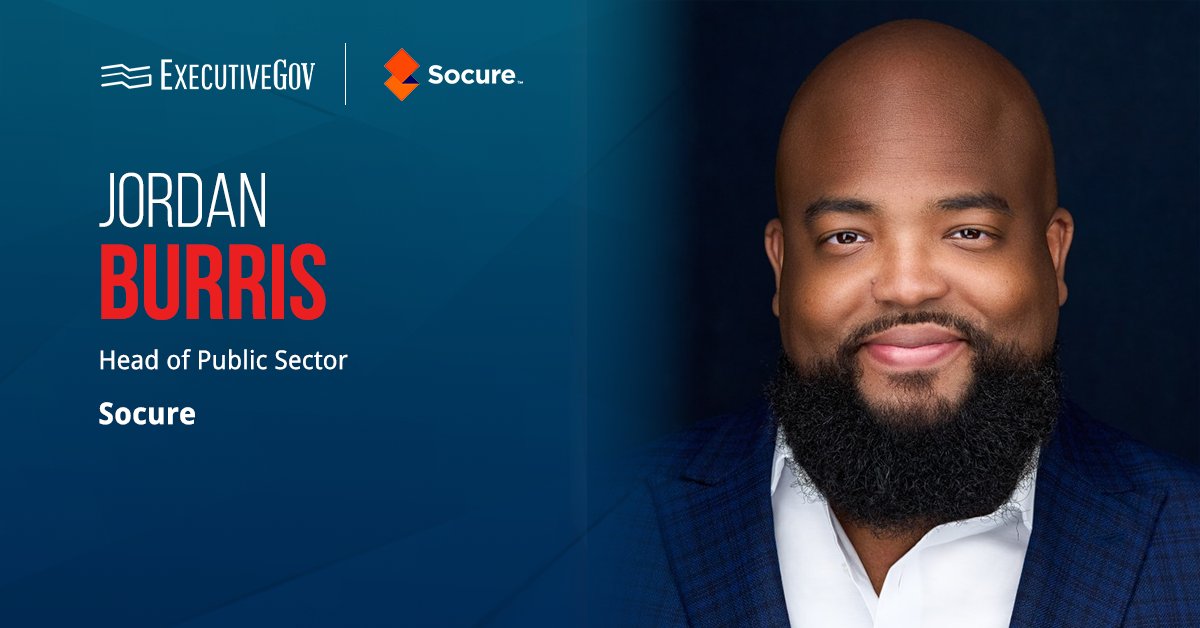
Jordan Burris, head of public sector at Socure, aims to raise collective awareness of emerging threats. “The knowledge and capabilities the commercial world has but hasn’t necessarily shared with government — we feel it is our duty and responsibility to help elevate that conversation,” Burris said.
What Recommendations Does the Report Propose?
The report, which aligns with the government’s focus on eliminating fraud, calls for institutionalizing fraud prevention before AI-enabled threats escalate. To counter the increasing velocity and volume of modern fraud, the report outlines five priority recommendations:
- Embedding screening at the earliest point in the payment lifecycle
- Permanently authorizing real-time data sharing
- Rewarding agencies for prevention rather than just recovery
- Modernizing federated grant systems to close interoperability gaps
- Treating identity verification as a continuous, risk-based control to adapt to a dynamic threat environment