
- The U.S. Army is launching a finance overhaul effort to boost battlefield readiness and procurement speed
- Budget reforms are expected to give the service more flexibility to fund drones, electronic warfare and emerging technologies faster
- The initiative is intended to cut bureaucracy and enhance support for soldiers and family programs
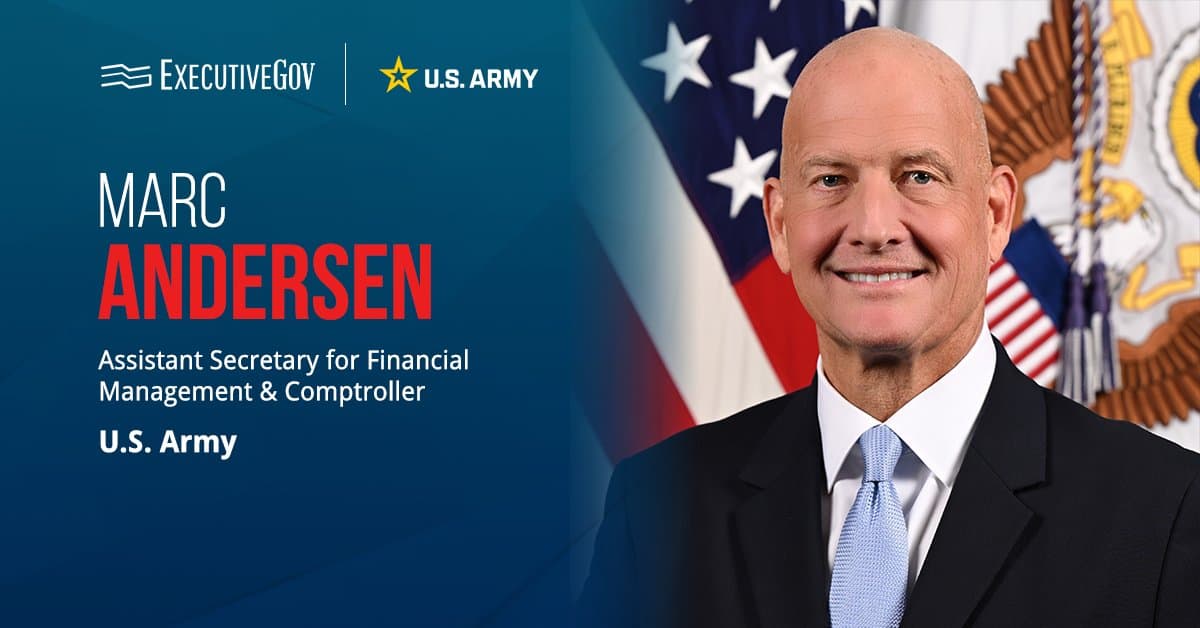
The Assistant Secretary of the Army for Financial Management and Comptroller, or ASA FM&C, has initiated a transformation plan to modernize the U.S. Army’s financial operations to better support readiness and combat capability amid an increasingly complex global security environment.

ASA FM&C Marc Andersen will deliver a keynote at the Potomac Officers Club’s 2026 Army Summit on June 18, where Army and industry leaders will discuss modernization, acquisition priorities and the future of mission readiness. Sign up now.
How Might the Plan Drive Procurement Speed & Readiness?
The Army said Wednesday the effort is intended to reduce administrative delays and build fiscal agility by working with Congress to streamline investments. Recent consolidation of budget lines for unmanned aircraft systems, counter-UAS and electronic warfare has given the Army flexibility to adapt to evolving technologies and deliver critical equipment faster to warfighters.
“Financial leadership is not a back-office function, but the front-line enabler of readiness, speed, and decision advantage,” said Marc Andersen, ASA FM&C.
The initiative aligns with the Army’s wider push to modernize contracting, logistics and industrial operations. Earlier this year, Army leaders highlighted digital transformation efforts tied to organic industrial base modernization and the rollout of the Army Contract Writing System, both intended to speed procurement, improve efficiency and transition away from legacy systems.
How Will Leaders Gain Decision Advantage?
The service is introducing digital tools, including a unified planning, programming, budgeting and execution platform, to modernize financial systems. A new “Army Fiscal Frontline” provides a single view of fiscal health, replacing siloed systems and embedding auditability into daily operations. Leaders gain real-time, trusted data to make faster, more confident decisions.
How Does the Strategy Support the Army Workforce?
The initiative streamlines internal policies to ensure soldier and family programs remain fully funded. The Army is also pursuing a major civilian pay reform to replace outdated costing models that have contributed to execution-year shortfalls.