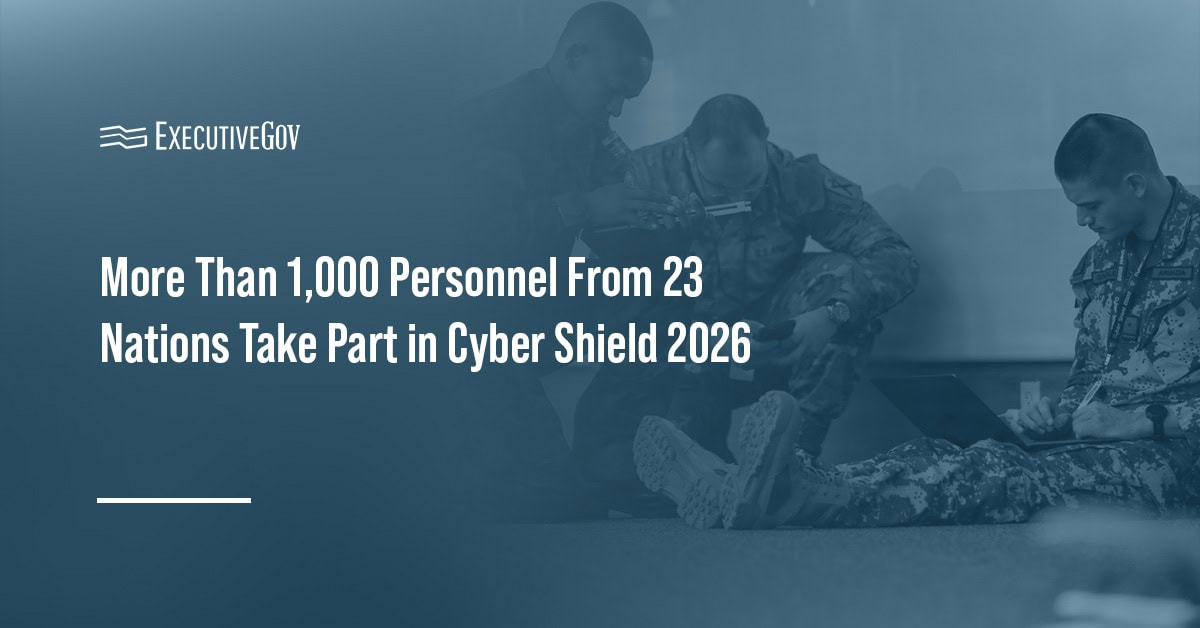
The Department of War has begun the Cyber Shield 2026 cyber defense exercise in ArkansasThis year's event emphasizes the National Guard Bureau's State Partnership Program, which teams National Guard units...
Read moreDetails

The Department of War has begun the Cyber Shield 2026 cyber defense exercise in ArkansasThis year's event emphasizes the National Guard Bureau's State Partnership Program, which teams National Guard units...
Read moreDetails
Rep. Haridopolos and Sen. Moody introduced the Space Ready 2.0 Act on July 15 The bill would let NASA partner with private firms to upgrade shared infrastructure The pilot program's...
Read moreDetails
INL has secured a leading role in the INEC Tech HubThe initiative pairs a $31 million federal grant with $9 million in matching fundsThe Tech Hub is expected to create...
Read moreDetails
2nd Marine Regiment has tested the JUMP 20-X drone with a Switchblade 300 munition.The unit engaged a target 25 kilometers away during Service Level Training Exercise 4-26.The test marks the...
Read moreDetails
Chris Fall has vacated the role of director of the Center for AI Standards and Innovation after three months in officeHe will be temporarily replaced by Arvind Raman, director of...
Read moreDetails
The order limits waivers for critical materials from covered countriesThe order requires contractors to map critical supply chains for national security acquisitionsExplore defense modernization priorities at the Potomac Officers Club's...
Read moreDetails
NASA and GE Aerospace have completed a test flight of a Saab 340B aircraft mounted with a megawatt-class hybrid-electric engineThe vehicle is the first hybrid electric-powered aircraft to fly higher...
Read moreDetails
The new members come from academia, government and defense industry organizationsPamela Evans will chair the board, with Patrick Stadter as vice chairThe board provides Air Force leaders with advice on...
Read moreDetails
Johns Hopkins University Applied Physics Laboratory has booked a $199.3 million cost-plus-fixed-fee contract from the Air ForceThe award funds research and development engineering services for the Sentinel programWork under the...
Read moreDetails
The Navy's PAE Maritime organization reached initial operational capability under a new acquisition structureThe office will oversee aircraft carriers, surface combatants, amphibious ships, auxiliaries and ship readinessCivilian Chris Miller will...
Read moreDetails