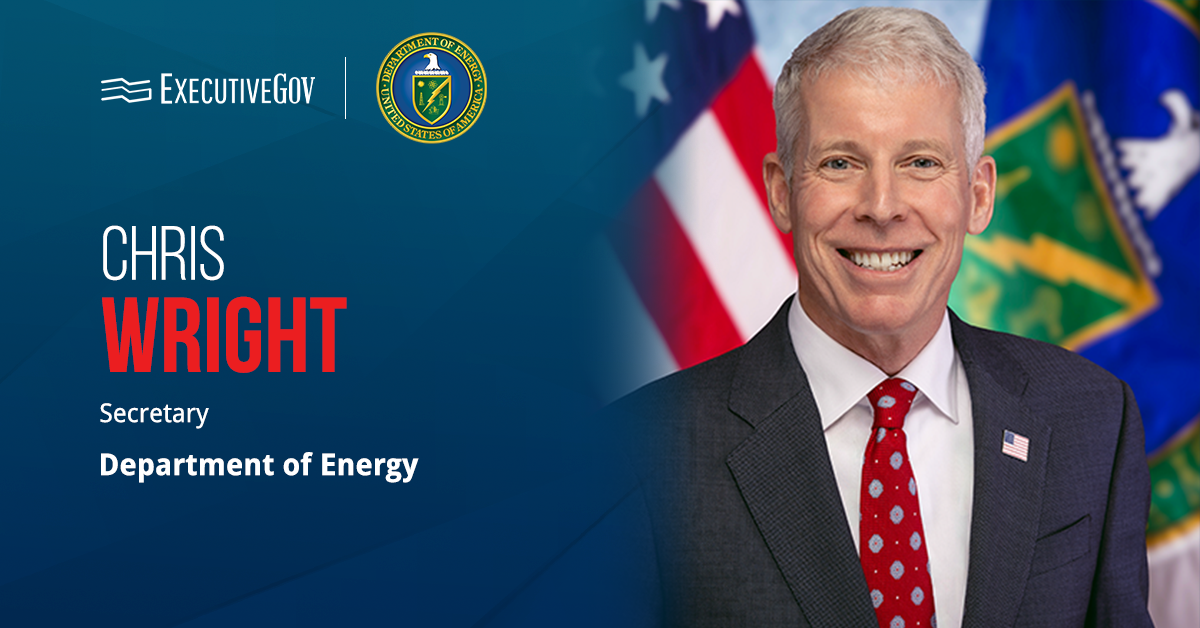
The Department of Energy's Office of Cybersecurity, Energy Security and Emergency Response and Lawrence Livermore National Laboratory have introduced an artificial intelligence testbed designed to evaluate the cybersecurity and reliability of AI models used in the energy sector.

DOE's latest push to strengthen AI cybersecurity in the energy sector highlights the growing urgency around securing advanced technologies that support critical infrastructure. Sign up now for the 2026 Digital Transformation Summit on April 22 to hear experts discuss the use of AI in high-security federal environments, mission engineering, enterprise IT and other topics shaping the digital landscape.
What Is the Mjölnir AI Testbed?
DOE said Tuesday the Mjölnir AI Testbed is an AI model assurance platform designed to help utilities, technology providers and researchers assess how AI models that support grid operations and management perform under adversarial conditions and identify potential vulnerabilities.
The testbed enables users to upload AI models and conduct adversarial testing to evaluate how systems respond to cyberattacks. The platform measures the likelihood that a model will behave incorrectly or unsafely, expose sensitive or proprietary data, or degrade under failure or compromise scenarios.
Test results provide insights into each model’s security posture and allow for direct comparisons across models. The platform is intended to help stakeholders understand model risk and support decisions on deploying AI in critical energy infrastructure.
The system advances DOE’s Genesis Mission and is designed to support electric utilities, grid operators, energy tech vendors, AI developers, national labs and research institutions.
What Is Genesis Mission?
The Genesis Mission is a DOE-led national initiative that aims to develop a scientific platform to drive energy innovation, accelerate discovery science and strengthen national security. Formed through a November executive order, the mission seeks to connect leading supercomputers, AI systems, experimental facilities and unique scientific datasets to double the research productivity and impact of U.S. research and innovation within 10 years.
In March, DOE issued a $293 million funding call under the Genesis Mission, inviting interdisciplinary teams to apply AI to address 26 science and technology challenges.
In December, the department signed agreements with Accenture, NVIDIA, Amazon Web Services, Google, Oracle, Microsoft and 18 other organizations to advance the Genesis Mission and announced a $320 million investment to accelerate the development of AI capabilities in support of the initiative.