- NTIA is offering up to $53 million to accelerate AI-native RAN innovation and commercialization
- The funding opportunity aims to speed deployment of open, interoperable wireless network technologies
- Proposed systems must align with 3GPP and O-RAN standards while embedding cybersecurity throughout
The National Telecommunications and Information Administration has announced up to $53 million in funding to help advance the development, testing and commercialization of American-led artificial intelligence-enabled radio access network, or RAN, architecture.

As the federal government accelerates adoption of AI technologies, including AI-enabled radio access network innovation, the Potomac Officers Club’s 2026 FedCiv Summit on Oct. 29 will explore how agencies are investing in AI, cloud, cybersecurity and digital infrastructure to advance mission outcomes. Sign up now.
NTIA said Tuesday the funding opportunity aligns with the William M. (Mac) Thornberry National Defense Authorization Act for Fiscal Year 2021, President Donald Trump’s AI Action Plan and an executive order promoting the export of the American AI technology stack.
What Will the Funding Support?
The Solutions for AI-Native RAN notice of funding opportunity, the fourth NOFO under the Public Wireless Supply Chain Innovation Fund, is intended to fast-track the commercialization and deployment of open, interoperable wireless equipment. It gives preference to projects that can show both strong technical capabilities and commercial potential.
The funding opportunity follows NTIA’s March announcement that it would redirect the Innovation Fund toward AI-native RAN technologies and seek industry feedback before issuing a new solicitation.
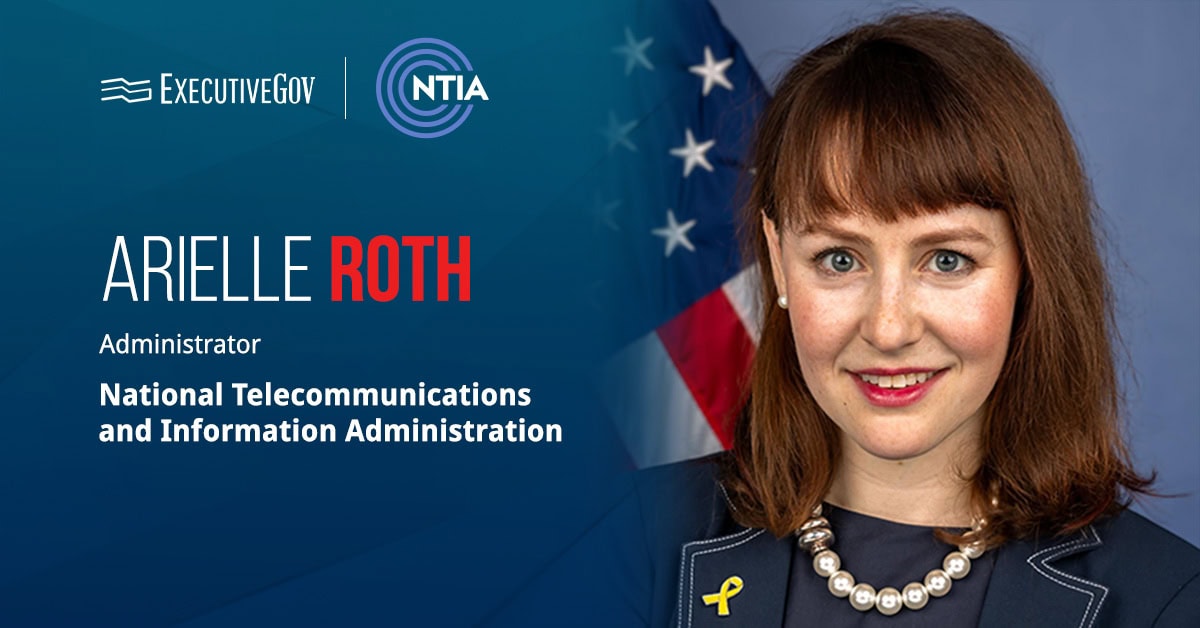
Arielle Roth, assistant secretary of commerce for communications and information and NTIA administrator, said AI-native RAN builds on U.S. strengths in software and AI and that real-world demonstrations can help providers, investors and international partners evaluate the technology.
What Are the Key Project Requirements?
Proposed systems should meet Third Generation Partnership Project and Open Radio Access Network specifications, generate data through real-world demonstrations to support business case projections and integrate cybersecurity throughout their design and operation.