- SBA has proposed ending 8(a) eligibility based on racial minority status
- Applicants would be required to provide documented evidence of social disadvantage to qualify for the program
- The changes would apply to individually owned firms, while tribal entities would retain current eligibility standards
The Small Business Administration, or SBA, has issued a proposed rule to eliminate race-based admissions criteria in the 8(a) Business Development Program.
What Changes Would the Proposed Rule Make?
Under the proposal, applicants will no longer qualify for 8(a) contracts solely by belonging to a racial minority group, the agency said Thursday. Instead, all individuals must demonstrate social disadvantage with documented evidence. The change applies only to individually owned firms, while eligibility standards for entity-owned participants, such as Alaska Native Corporations and tribal businesses, remain unchanged.
Why Is SBA Pursuing the Change?
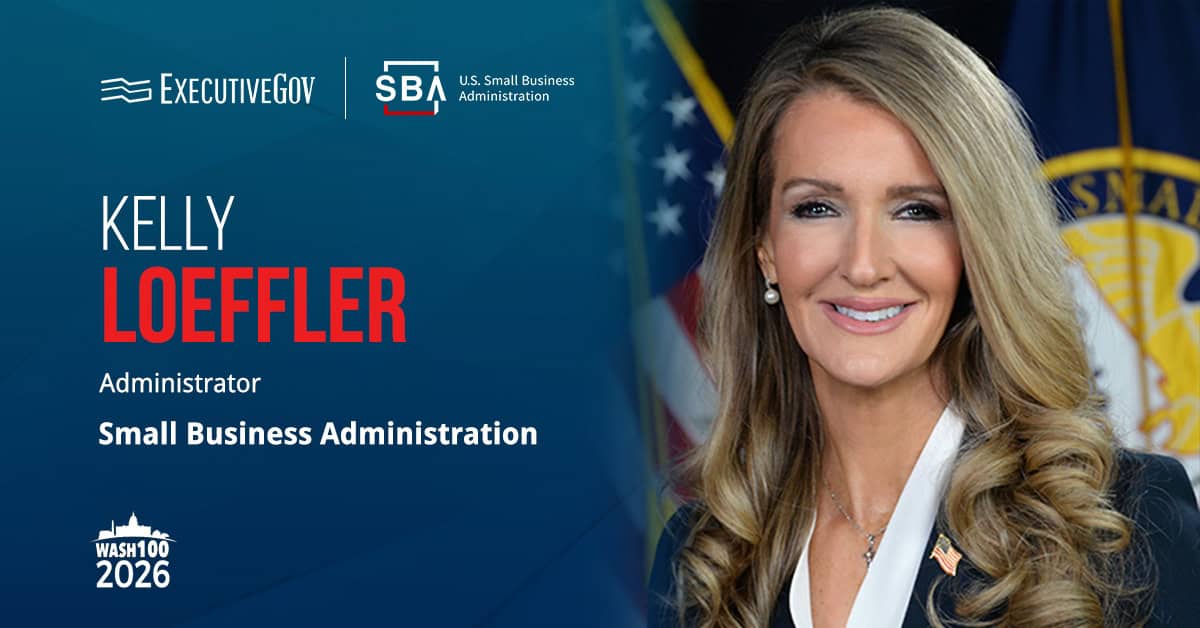
SBA Administrator Kelly Loeffler, a 2026 Wash100 Award winner, said the proposed rule is intended to replace what she described as a race-based admissions framework with objective eligibility criteria supported by documented evidence.
“It will restore equal treatment under clear, objective criteria and help ensure the program serves legitimate job creators instead of political friends, shell companies, or bad actors,” said Loeffler.
The agency said the proposal follows a 2023 federal court ruling that found the program’s rebuttable presumption of social disadvantage for certain minority groups unconstitutional. SBA added that the rule would make permanent changes implemented after the Trump administration ended admissions based on racial presumptions and unsubstantiated claims of discrimination.
The proposed rule is the latest in a series of SBA actions aimed at reshaping the administration of the 8(a) Program. In January, the agency issued guidance reaffirming the race-neutral administration of the 8(a) Program. SBA has also expanded oversight of existing participants, including initiating termination proceedings against 154 firms that failed economic disadvantage requirements and beginning removal proceedings against 628 companies that did not provide requested financial records.