Four commercial landers are being prepared for delivery by 2028Blue Origin, Firefly Aerospace, Intuitive Machines and Voyager Lunar Systems are developing the landersThe first phase of the Moon Base architecture...
Read moreDetails

Four commercial landers are being prepared for delivery by 2028Blue Origin, Firefly Aerospace, Intuitive Machines and Voyager Lunar Systems are developing the landersThe first phase of the Moon Base architecture...
Read moreDetails
The Army has created PM Cyber Warfare and PM Space Superiority and Exploitation under CPE ISWPM Cyber Warfare combines legacy cyber organizations to oversee acquisition, deployment and operation of Army...
Read moreDetails
The National Institute of Standards and Technology and the Department of Energy's Office of Science will collaborate to support the Genesis Mission through AI initiativesThe memorandum of understanding between the...
Read moreDetails
The National Science Foundation has launched the $100 million State and Regional Artificial Intelligence Infrastructure Hubs programThe NSF will start by supporting 10 AI Infrastructure Hubs, one per state or...
Read moreDetails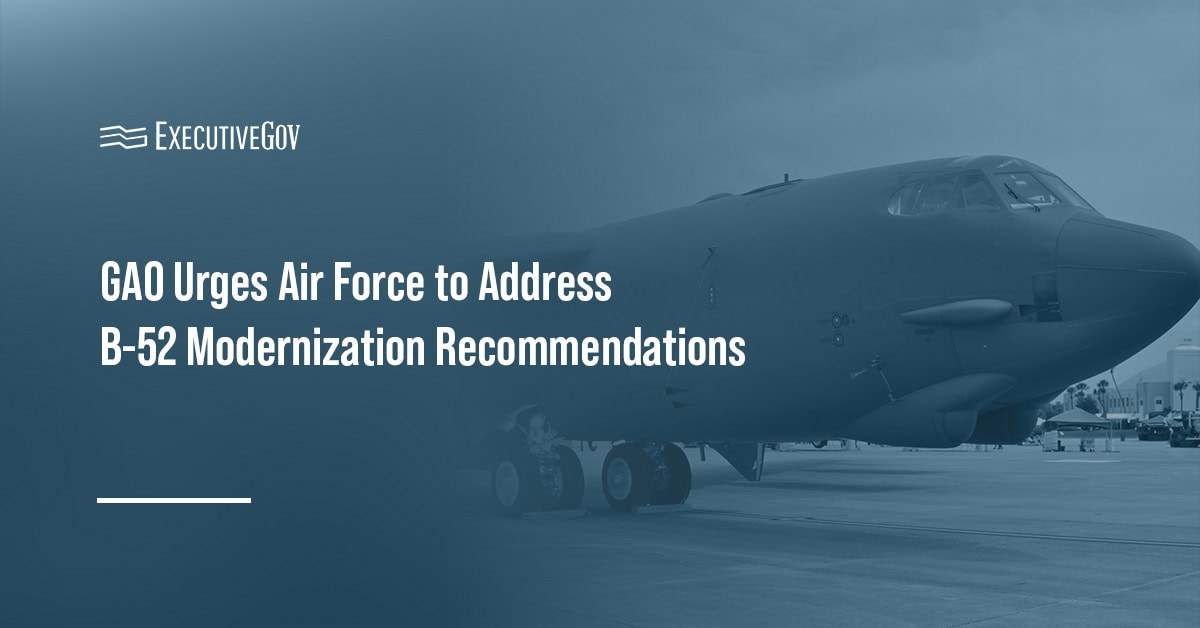
GAO has found that 10 of 13 Air Force B-52 modernization programs, part of a $21 billion effort to keep the bomber flying through 2050, face cost, schedule or performance...
Read moreDetails
The Navy relaunched its MUSV program with a marketplace acquisition model The Navy plans to acquire 36 MUSVs in FY26 and purchase MUSVs from FY27 through FY31The 2026 Navy Summit on Aug....
Read moreDetails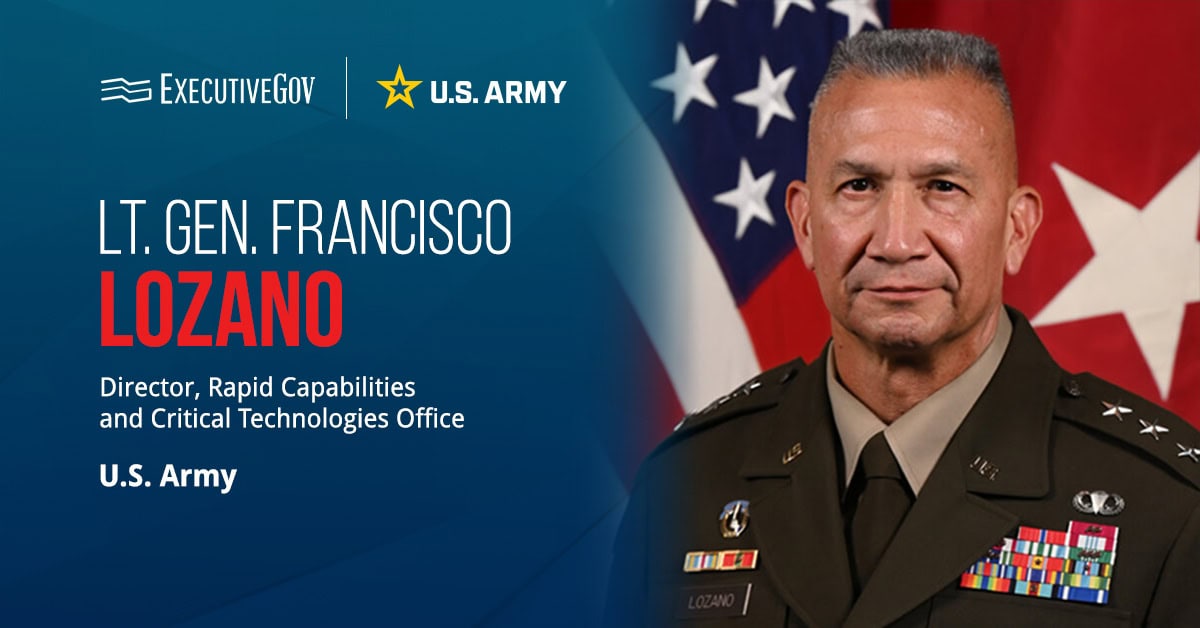
Trump has nominated Army Lt. Gen. Francisco Lozano for a dual acquisition leadership postLozano currently serves as director of RCCTOThe 2026 Navy Summit will explore AI, autonomous systems and morePresident...
Read moreDetails
DOW has signed framework agreements with Northrop worth more than $3 billionThe deals will triple PAC-3 MSE and quadruple THAAD component productionExplore AI, unmanned systems and more at the 2026...
Read moreDetails
JIATF-401 is managing the counter-drone marketplaceThe platform supports the Army's Foreign Military Sales Fast LaneThe upgrades let users filter products by mission, review test results and buy more easilyThe Department...
Read moreDetails
CIO David Shive said the earlier path, with review ahead of rollout, ran two to three yearsOneGov has drawn more than two dozen companies, with $1.18 billion in savings identified...
Read moreDetails