- TSA plans to modernize security checkpoints and streamline passenger screening
- The Horizon 25 strategy calls for stronger security measures in multiple transportation modes
- TSA will advance PreCheck and speed up procurement of new technologies
The Transportation Security Administration has unveiled the Horizon 25 Strategy, a plan focused on modernizing security checkpoints, enhancing the traveler experience and strengthening multimodal transportation security, the agency announced Monday.
What Are TSA’s Horizon 25 Priorities?
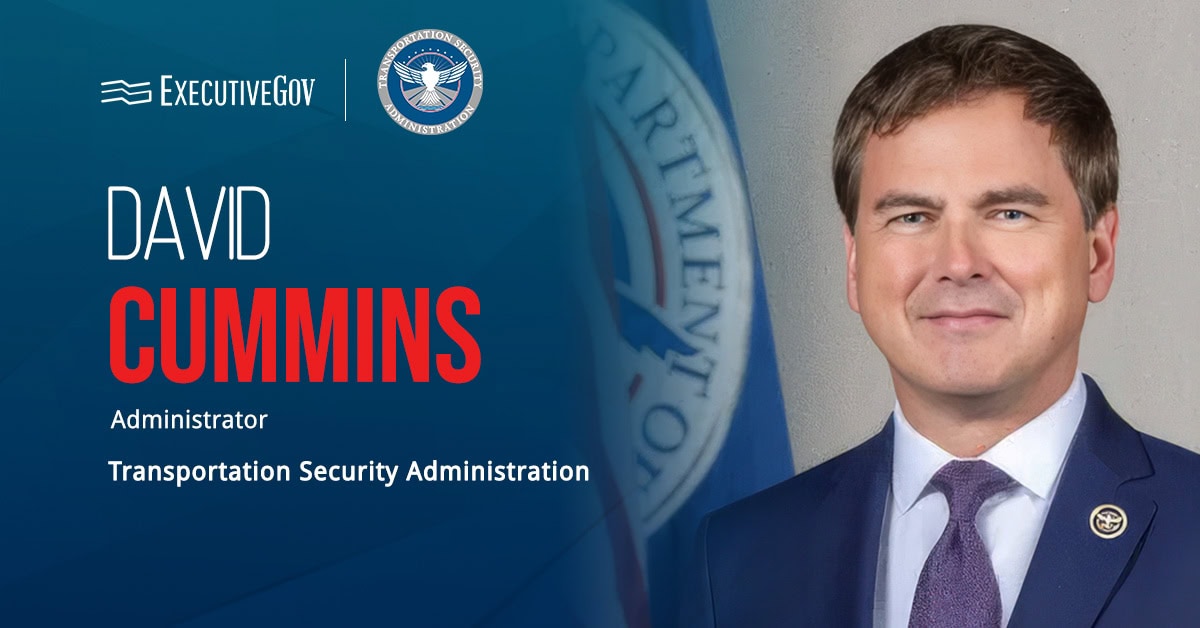
TSA Administrator David Cummins said the strategy is intended to guide the agency as it approaches its 25th anniversary. The plan establishes three primary objectives intended to support TSA’s “zero-fail mission”: modernizing checkpoints, elevating the passenger experience and strengthening security for multiple modes of transportation.

TSA’s modernization strategy highlights the evolving technology and security priorities shaping the broader DHS mission. The Potomac Officers Club’s 2026 Homeland Security Summit on Nov. 10 will bring DHS leaders and industry executives together to discuss AI, cyber defense and operational capabilities. Register now!
The strategy also calls for advancing TSA PreCheck, a screening program that fast-tracks air security screening for enrolled travelers, while streamlining the procurement of new technology and expanding the agency’s capabilities to counter unmanned aircraft system threats.
“Through the Horizon 25 Strategy, we will build a TSA that is agile, resilient and ready for tomorrow’s challenges,” Cummins remarked.
How Will TSA Work With Industry?
TSA plans to accelerate public-private partnerships as part of its modernization efforts. The agency said it will replace TSA Gold+ with an evolved Screening Partnership Program and expand the private sector’s role in aviation security.
Cummins also plans to convene agency personnel from headquarters and field operations in September to advance key initiatives under the strategy.
The effort comes after TSA managed high passenger volumes, major travel events and partial government shutdowns during the past year.
Cummins said the strategy is intended to help TSA remain agile and resilient while addressing evolving threats and maintaining an efficient passenger experience.